Protecting your business premises is a top priority for any commercial property owner. One of the most effective ways to safeguard your storefront from theft, vandalism, and unauthorized entry is by installing storefront protection doors. These specialized barriers not only deter criminal activity but also add a layer of durability and peace of mind for business owners. Understanding the different types, materials, and maintenance requirements of these doors can help you make an informed decision that best suits your security needs and operational requirements.
Understanding Storefront Protection Doors and Their Role
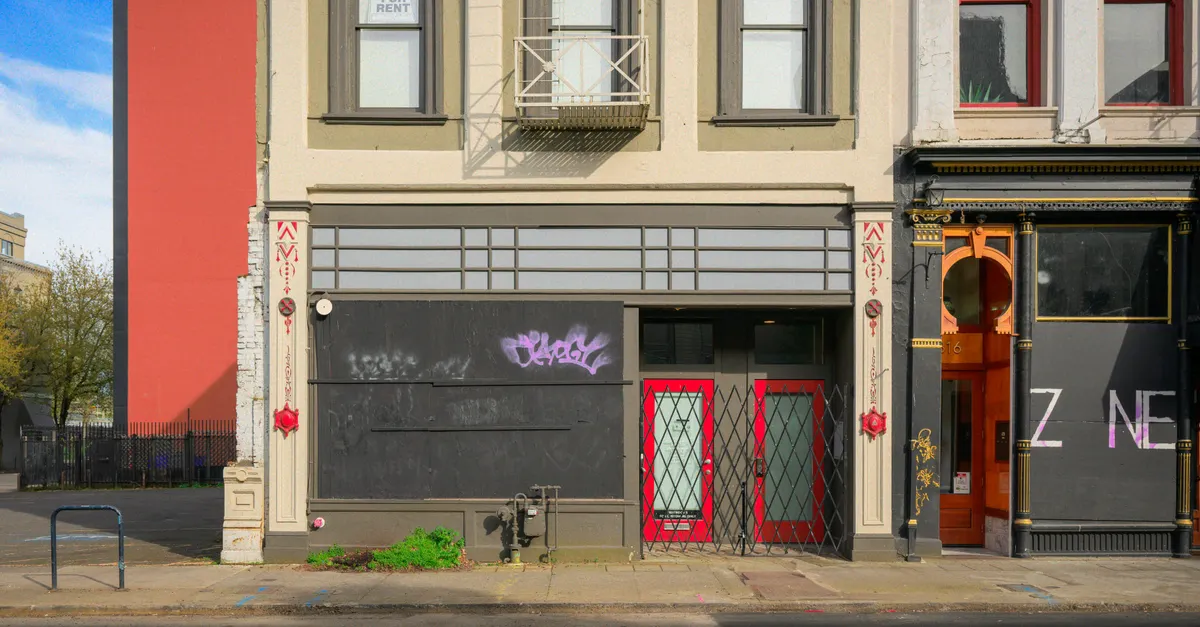
Storefront protection doors are robust barriers designed to secure the entrances and windows of commercial properties. Their primary function is to prevent break-ins, deter vandalism, and protect valuable inventory and assets. Unlike standard commercial doors, these security solutions are engineered to withstand forced entry attempts and harsh environmental conditions, making them a critical component of modern retail security.
For businesses operating in high-traffic or high-risk areas, these doors serve as the first line of defense. They can be integrated seamlessly into the building’s design, offering both security and visual appeal. By investing in the right type of storefront barrier, business owners can significantly reduce the risk of property loss and operational disruptions.
Exploring the Types of Storefront Protection Doors
There are several types of storefront protection doors available, each offering unique features and benefits tailored to different commercial needs. The most common options include:
- Roll-Up Security Doors: These doors are known for their superior protection against vandalism and unauthorized entry. According to manufacturers, roll-up shop doors offer a high level of security and are available in various sizes to accommodate different storefronts. Their design allows them to be rolled up and out of sight during business hours, providing convenience and flexibility.
- Security Grilles: Security grilles combine visibility with protection. Rolling security closures, as described by leading manufacturers, offer both aesthetic appeal and robust security. They are ideal for businesses that want to maintain visibility into their store after hours while still deterring potential intruders.
- Solid Slatted Rolling Doors: These are economical options that provide added security to egress doors. Their solid construction makes them effective at preventing forced entry and protecting against vandalism.
- Security Shutters: Often used for windows and smaller openings, security shutters can be manually or automatically operated. They are suitable for businesses seeking a discreet yet effective security solution.
Each type of door serves a specific purpose, and the choice depends on factors such as the level of security required, desired visibility, and the architectural style of the storefront.
Material Choices: Security and Durability Compared
The effectiveness and longevity of storefront protection doors are heavily influenced by the materials used in their construction. While many sources provide general descriptions, a closer look at the material options reveals important differences that can impact security and maintenance:
- Steel: Widely regarded as the most secure material, steel doors offer exceptional resistance to forced entry and vandalism. They are durable, long-lasting, and suitable for high-risk environments. Steel’s strength makes it a preferred choice for roll-up security doors and solid slatted designs.
- Aluminum: Aluminum is lighter than steel and resistant to corrosion, making it ideal for businesses in humid or coastal regions. While not as strong as steel, modern aluminum doors are engineered to provide a balance of security and ease of operation. They are often used for security grilles and shutters where visibility and aesthetics are important.
- Polycarbonate: This transparent, impact-resistant material is used in some security grilles and shutters to provide visibility while maintaining protection. Polycarbonate is lightweight and can withstand repeated impacts, but may not offer the same level of deterrence as metal options.
- Composite Materials: Some advanced storefront doors use a combination of metals and polymers to enhance both security and insulation. These options can be tailored for specific needs, such as sound reduction or thermal efficiency, in addition to security.
Choosing the right material depends on your business’s unique requirements. Steel is best for maximum security, while aluminum and polycarbonate are suitable for businesses prioritizing visibility and corrosion resistance. Understanding these differences ensures you select a door that not only protects but also fits your operational environment.
Installation and Maintenance: Ensuring Optimal Performance
Proper installation and ongoing maintenance are crucial for the effectiveness and longevity of storefront protection doors. Here are some key considerations:
Safe Preliminary Inspection
Before installation, conduct a thorough inspection of the storefront area. Check for any structural weaknesses, electrical wiring, or obstructions that may affect the installation process. It is important to avoid handling heavy components or making structural modifications without the necessary expertise, as this can pose safety risks.
Professional Installation
Given the complexity and weight of commercial security doors, installation should always be performed by experienced or authorized professionals. Manufacturers emphasize that improper installation can compromise security and void warranties. A professional installer will ensure the door is correctly aligned, securely anchored, and functions smoothly.
Routine Maintenance
Once installed, regular maintenance is essential to keep the door operating efficiently. Many storefront rolling security doors and grilles are designed for easy operation and low maintenance, according to leading manufacturers. Maintenance tasks include:
- Inspecting tracks, rollers, and locking mechanisms for wear or damage
- Cleaning and lubricating moving parts to prevent rust and ensure smooth operation
- Checking for signs of tampering or forced entry attempts
- Scheduling periodic professional inspections for more complex repairs or adjustments
For more information on maintaining other types of commercial doors, you might find insights on garage door lubrication helpful, as similar principles apply to keeping moving parts in good condition.
By prioritizing professional installation and regular upkeep, you can maximize the security and lifespan of your investment.
Cost Factors to Consider
The price of storefront protection doors can vary widely depending on several factors. According to industry sources, the typical price range is influenced by:
- Size: Larger doors or those covering multiple entry points will naturally cost more due to increased material and labor requirements.
- Material: Steel doors tend to be more expensive than aluminum or polycarbonate options, reflecting their superior strength and durability.
- Features: Additional features such as motorized operation, advanced locking systems, or custom finishes can add to the overall cost.
- Installation Complexity: The condition of the existing storefront, need for structural modifications, and accessibility can all impact installation costs.
- Maintenance Requirements: Some doors are designed for low maintenance, which can reduce long-term costs, while others may require more frequent servicing.
When budgeting for a new security solution, it’s important to consider not just the upfront price but also the long-term value provided by enhanced security and reduced risk of loss.
Conclusion: Making the Right Choice for Business Security
Investing in storefront protection doors is a proactive step toward safeguarding your business against theft, vandalism, and other security threats. By understanding the different types, materials, and maintenance requirements, you can select a solution that aligns with your security needs and operational environment. Always prioritize safe inspection practices and seek professional installation and maintenance services to ensure optimal performance and safety. With the right approach, these doors can provide lasting protection and peace of mind for your business.
Frequently Asked Questions
What are the main functions of storefront protection doors?
These doors are designed to prevent unauthorized access, deter vandalism, and protect valuable assets inside commercial properties. They serve as a physical barrier against forced entry and can also enhance the visual appeal of the storefront.
Which materials are most commonly used for these doors?
Steel, aluminum, polycarbonate, and composite materials are frequently used. Steel offers maximum security, aluminum provides corrosion resistance and lighter weight, while polycarbonate allows for visibility with impact resistance.
How often should storefront protection doors be maintained?
Routine maintenance should be performed at least twice a year, or more frequently in high-traffic or harsh environments. Regular inspections, lubrication, and prompt repairs help ensure the door remains secure and functional.