Proper maintenance is essential for commercial garage doors, which often face heavy use and demanding conditions. One of the most critical aspects of this maintenance is selecting and applying the right garage door lubricant for commercial use. The correct product not only ensures smooth operation but also extends the lifespan of door components, reduces costly downtime, and helps prevent safety issues. In this guide, we’ll explore the main types of lubricants available, compare popular formulas, and outline what to consider when choosing a lubricant for your facility’s needs.

Understanding Lubricant Types for Commercial Garage Doors
Commercial garage doors require lubricants that can withstand frequent cycles, variable temperatures, and exposure to dust, moisture, and sometimes chemicals. The most common types of lubricants used in these settings include:
- Silicone-based lubricants: These are known for their water resistance and ability to repel dust and debris. They are often used on non-metal parts and can be effective in high-humidity environments.
- Lithium-based greases: These are thicker, long-lasting, and ideal for metal-to-metal contact points such as hinges, rollers, and springs. Lithium grease is valued for its durability under heavy loads.
- Petroleum-based sprays: While these can provide short-term lubrication, they often attract dust and may not be suitable for all commercial applications.
- Specialty synthetic lubricants: Designed for extreme temperatures or specific industrial environments, these offer tailored performance but may come at a higher cost.
Each type has its advantages and limitations, making it important to match the lubricant to your door’s specific requirements and usage patterns.
Silicone vs. Lithium Grease: Which Is Better for Commercial Doors?
The choice between silicone grease and lithium grease is a key consideration for facility managers and maintenance teams. Here’s a detailed comparison to help you decide:
Silicone-Based Lubricants
- Excellent for repelling water and preventing rust.
- Do not attract as much dust or dirt, keeping moving parts cleaner.
- Safe for use on rubber, plastic, and painted surfaces.
- Typically less messy and easier to apply in spray form.
However, silicone lubricants may not provide the same level of heavy-duty protection for metal-on-metal contact points under high load, which is common in commercial doors.
Lithium-Based Greases
- Offer superior protection for metal components such as rollers, hinges, and springs.
- Resist breakdown under pressure and high-frequency operation.
- Provide a thicker, longer-lasting coating that reduces wear and friction.
The downside is that lithium grease can attract dust and debris, and may be harder to clean off if over-applied. It’s also not suitable for non-metal parts or surfaces that need to remain clean and dry.
Summary Table: Silicone vs. Lithium Grease
| Feature | Silicone Lubricant | Lithium Grease |
|---|---|---|
| Water Resistance | Excellent | Good |
| Dust Attraction | Low | Moderate to High |
| Best For | Plastic, rubber, light-duty metal | Heavy-duty metal parts |
| Application | Spray, easy to apply | Grease, may require tools |
| Load Handling | Moderate | High |
For most commercial settings, a combination approach—using lithium grease for high-load metal parts and silicone spray for tracks and non-metal components—delivers the best results.
Key Considerations When Selecting a Garage Door Lubricant for Commercial Use
Choosing the right garage door lubricant for commercial use involves more than just picking a familiar brand. Here are the main factors to weigh:
- Temperature range: Commercial doors may operate in environments with extreme heat or cold. Look for lubricants that maintain their viscosity across a wide temperature span. For example, some products remain effective from -50°F to +365°F, ensuring consistent performance year-round.
- Compatibility: Ensure the lubricant is safe for all materials in your door system, including metal, plastic, and rubber. Some products are specifically formulated to avoid damaging electrical components or painted surfaces.
- Application method: Sprays are convenient for hard-to-reach areas, while greases may require manual application but offer longer-lasting protection.
- Frequency of use: High-traffic commercial doors benefit from lubricants that offer extended protection and minimize the need for frequent reapplication.
- Safety and compliance: In some industries, lubricants must meet specific safety or environmental standards. Always check product labels and safety data sheets.
When evaluating products, consider your facility’s unique needs and consult your door manufacturer’s recommendations. For more details on related hardware, see this guide on commercial garage door cable specifications.
Top Product Recommendations for Commercial Garage Doors
Based on product details and manufacturer guidance, here are two highly regarded lubricants for commercial settings:
- #400 Garage Door Lubricant: This product is designed for use on tracks, springs, rollers, hinges, and bearings. According to the manufacturer, it contains no silicones, making it safe for electrical components and surfaces that may be painted. It is formulated to maintain a consistent viscosity from -50°F to +365°F, making it reliable in nearly any environment. Regular use helps protect against wear, moisture, and corrosion.
- AGS Garage Door Lubricant: This synthetic lubricant is engineered for hardware applications and offers a similar wide temperature range. It is suitable for high-frequency commercial use and provides long-lasting protection for moving parts.
While there are many options on the market, these products are specifically formulated for the demands of commercial doors and are trusted by industry professionals. When shopping for supplies, search for garage door lubricant or lithium grease to find products that meet your requirements.
Why Regular Lubrication Matters in Commercial Settings
Routine lubrication is a simple yet powerful way to extend the life of your commercial garage doors. The benefits include:
- Reduced wear and tear: Lubrication minimizes friction, preventing premature failure of rollers, hinges, and springs.
- Protection from moisture and corrosion: Many lubricants form a barrier that keeps out water and prevents rust, especially important in humid or outdoor environments.
- Quieter operation: Properly lubricated doors operate smoothly and quietly, reducing noise in busy workspaces.
- Lower maintenance costs: By preventing breakdowns and extending component life, regular lubrication reduces the need for repairs and replacements.
For more tips on addressing common lubrication problems, see this resource on troubleshooting garage door lubricant issues.
Frequently Asked Questions
What parts of a commercial garage door should be lubricated?
Focus on moving metal parts such as rollers, hinges, springs, and bearings. Tracks can also be lightly lubricated, but avoid over-applying as excess lubricant can attract dust. Always follow the manufacturer’s recommendations for your specific door model.
How often should commercial garage doors be lubricated?
For high-traffic commercial doors, inspect and lubricate components every three to six months, or more frequently if the door operates in harsh conditions. Regular checks help catch issues early and ensure optimal performance.
Can I use household lubricants like WD-40 on commercial garage doors?
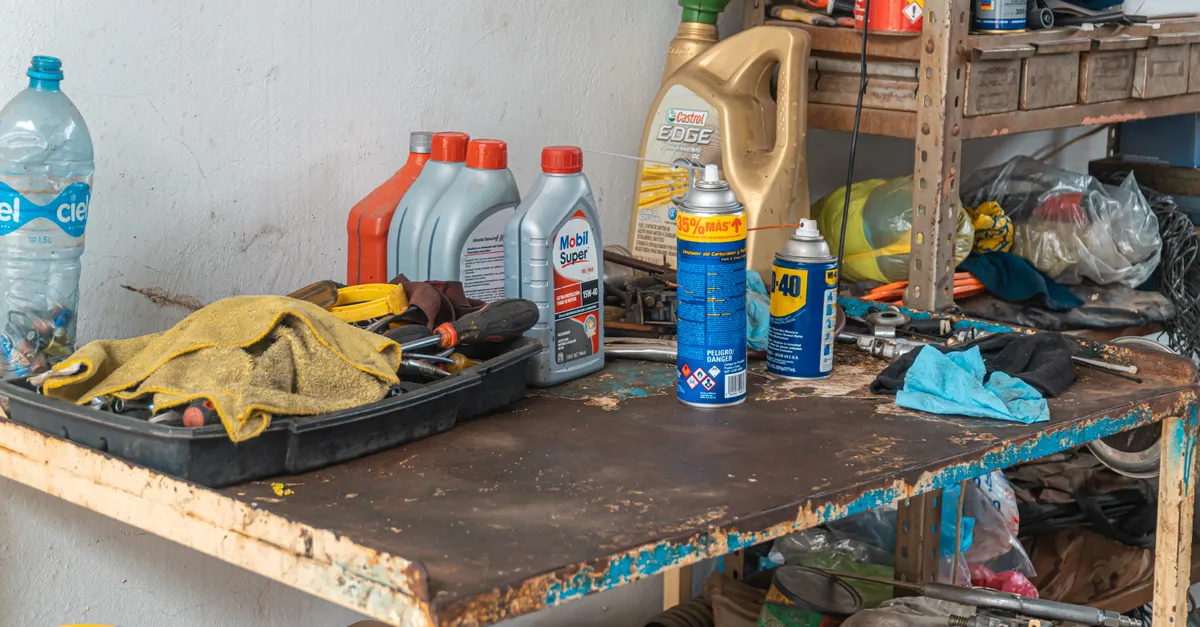
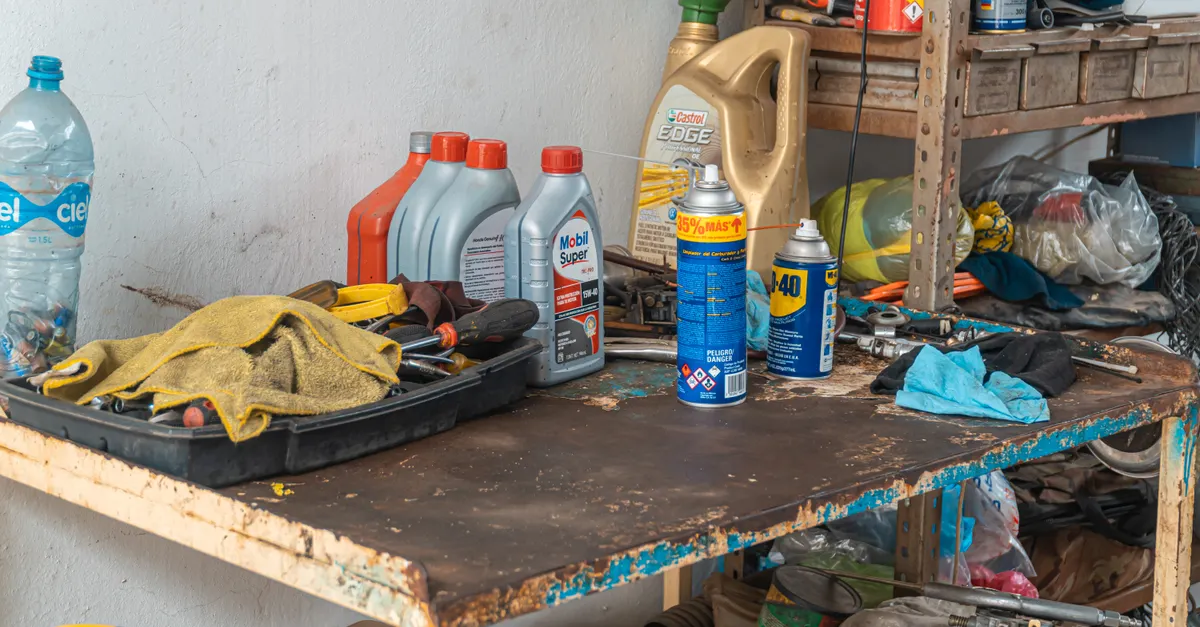
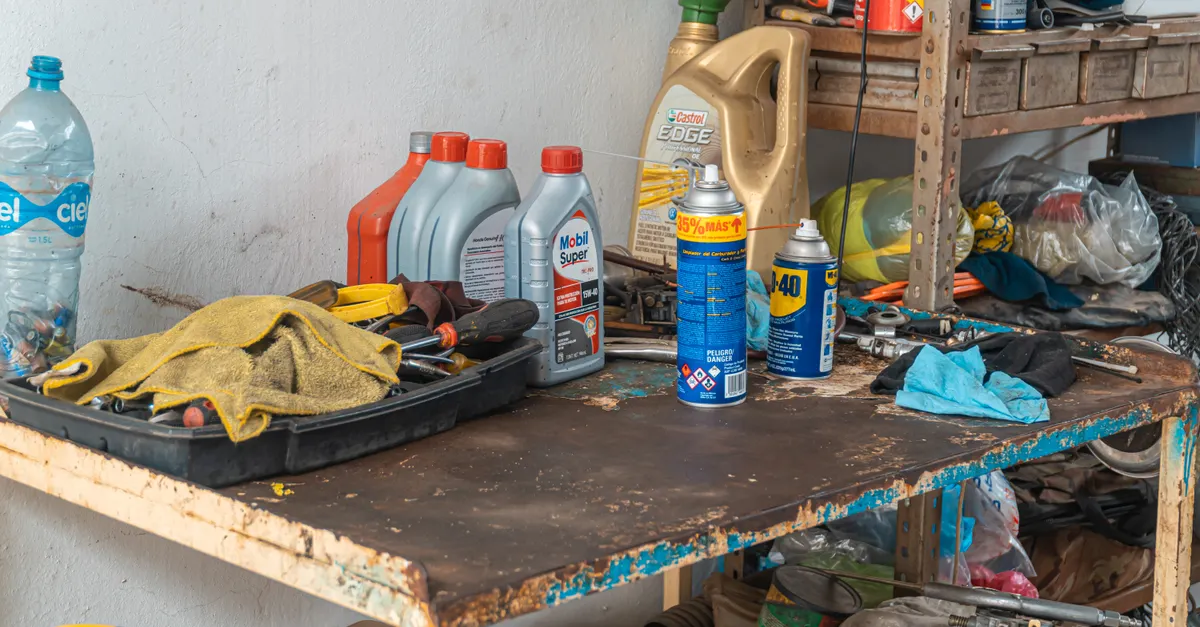
Household lubricants are generally not recommended for commercial doors. Products like WD-40 are primarily cleaners and water-displacers, not long-term lubricants. For best results, use a dedicated garage door lubricant for commercial use that is formulated for heavy-duty performance.
Conclusion
Choosing the right lubricant is a key part of maintaining commercial garage doors. By understanding the differences between silicone and lithium greases, considering factors like temperature range and compatibility, and selecting products designed for demanding environments, you can keep your doors running smoothly and efficiently. Consistent lubrication not only protects your investment but also ensures safety and reliability for years to come.