When the temperature drops, a reliable garage heater can make all the difference in keeping your workspace comfortable. However, like any appliance, these units can develop problems that disrupt their performance. Understanding the basics of garage heater troubleshooting is essential—not just for restoring warmth, but for ensuring your safety and knowing when it’s time to call in a professional. This article will guide you through common issues, safe inspection practices, and the boundaries of DIY repairs, so you can make informed decisions and avoid unnecessary risks.
Understanding Why Safe Troubleshooting Matters
Heating systems in garages often involve complex electrical or gas components. Attempting to diagnose or fix issues without proper knowledge can lead to serious safety hazards, including electrical shock, gas leaks, or even fire. That’s why it’s crucial to approach any garage heater troubleshooting with caution, prioritizing safety over speed. Recognizing the limits of what you can safely inspect yourself—and when to stop and call a professional—protects both your property and your well-being.
Common Issues Found in Garage Heaters
Garage heaters, whether electric or gas-powered, can experience a range of problems. Some of the most frequent issues include:
- Heater won’t turn on: This could be due to a tripped circuit breaker, faulty thermostat, or a blown fuse.
- Insufficient heat output: Clogged air filters, blocked vents, or malfunctioning heating elements can reduce performance.
- Strange noises: Rattling, banging, or humming sounds may signal loose components or motor issues.
- Gas odor: For gas heaters, the smell of gas is a serious warning sign and may indicate a leak or faulty gas valve.
- Pilot light or ignition problems: The pilot may not stay lit, or the ignition system may fail to start the heater.
For example, according to a manufacturer troubleshooting guide, a faulty gas valve may require replacement. This involves removing wires and checking the coil for continuity. If the reading shows “OL” (open line), the valve should be replaced. However, such checks should only be performed by those with proper training and tools, as mishandling gas components can be extremely hazardous.
Essential Safety Precautions During Troubleshooting
Before you attempt any inspection or basic troubleshooting, always put safety first. Here are some critical precautions to observe:
- Disconnect power: Always turn off the power supply at the breaker before opening or inspecting any part of the heater.
- Ventilate the area: If you suspect a gas leak, immediately ventilate the garage by opening doors and windows. Do not operate electrical switches or create sparks.
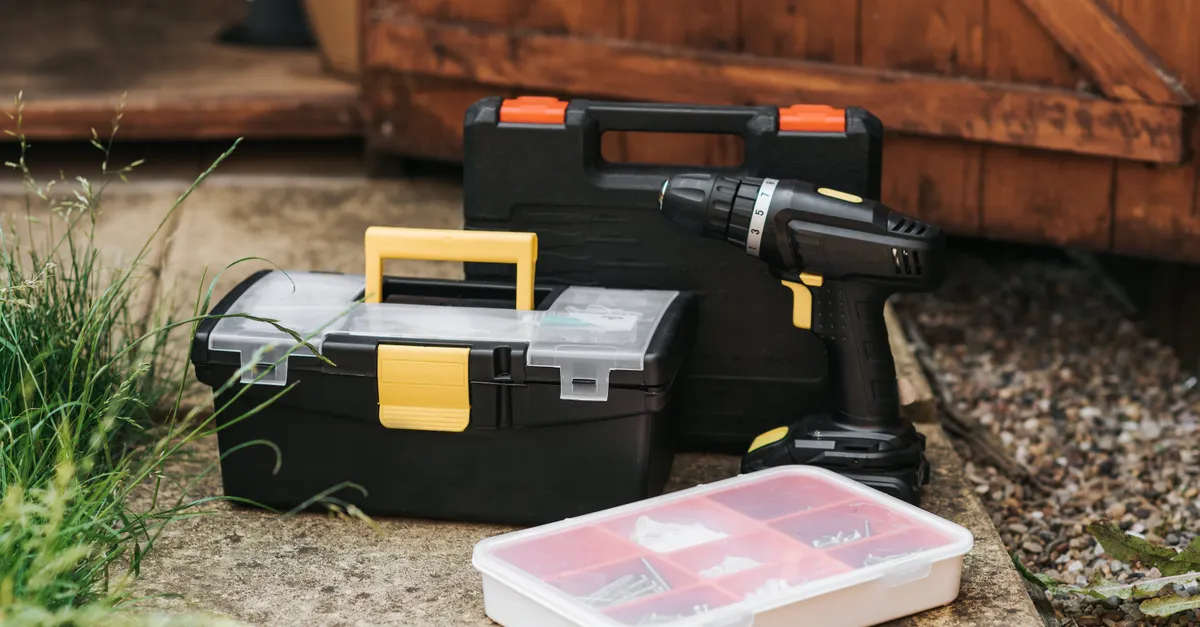
- Use proper tools: Only use insulated tools when working near electrical components. Avoid makeshift solutions that could cause injury.
- Wear protective gear: Safety glasses and gloves can help protect you from accidental shocks or burns.
- Check for gas leaks: If you smell gas, leave the area and contact your utility provider or a licensed technician right away.
- Never bypass safety switches: These are installed to prevent dangerous conditions. Disabling them can result in fire or explosion.
- Follow manufacturer instructions: Always consult your heater’s manual for model-specific warnings and guidance.
Remember, even a simple inspection can be risky if you’re unsure about the heater’s components or wiring. When in doubt, stop and seek professional assistance.
General Steps for Troubleshooting Garage Heaters
While detailed repairs should be left to professionals, there are some safe, preliminary checks you can perform to help identify the source of a problem:
- Check the power supply: Ensure the unit is plugged in and the circuit breaker or fuse hasn’t tripped. For electric models, verify that the NEMA receptacle is functioning.
- Inspect the thermostat: Set the thermostat to a higher temperature and listen for a click or the sound of the heater starting. Replace batteries if it’s battery-operated.
- Look for visible obstructions: Make sure air intakes and vents are clear of dust, debris, or stored items. Blocked airflow can cause overheating or shutdown.
- Listen for unusual noises: Any grinding or rattling could indicate a loose fan blade or motor issue. If you hear these sounds, discontinue use until a technician can inspect the unit.
- Check for error codes: Some modern heaters display error codes. Refer to your manual to interpret these and determine the next steps.
- Inspect for gas leaks (gas heaters only): If you detect a gas smell, do not attempt further troubleshooting. Leave the area and call a professional immediately.
For more on related garage maintenance, you might also find it helpful to review how to troubleshoot garage door lubricant issues as part of a broader approach to garage safety and efficiency.
Keep in mind, these steps are for basic inspection only. If you’re unsure or the problem persists, do not attempt further repairs yourself.
Differences Between Electric and Gas Heater Troubleshooting
While many issues overlap, there are important distinctions between electric and gas garage heaters:
- Electric heaters: Problems often relate to power supply, heating elements, or thermostats. Always ensure the unit is unplugged before inspecting. Never attempt to repair internal wiring unless you are a qualified electrician.
- Gas heaters: Issues may involve the gas valve, pilot light, or ignition system. Gas leaks and combustion problems pose serious risks. Never attempt to adjust or replace gas components without professional training.
Both types require careful handling, but gas heaters present additional dangers due to flammable fuel and potential carbon monoxide exposure. If your garage heater is a propane model, such as a propane heater, always follow the manufacturer’s safety guidelines and have a carbon monoxide detector installed in your garage.
Knowing When to Call a Professional
It’s important to recognize the boundaries of safe DIY troubleshooting. Call a qualified technician if you encounter any of the following:
- Persistent electrical issues, such as repeated tripping of breakers or blown fuses
- Gas odors or suspected leaks
- Malfunctioning gas valves, pressure switches, or igniters
- Unusual noises that persist after basic inspection
- Visible damage to wiring, connectors, or gas lines
- Repeated failure to ignite or maintain heat output
Attempting to fix these problems without proper training can result in further damage or serious injury. Professional technicians have the tools and expertise to safely diagnose and repair complex heater issues, ensuring your system operates efficiently and safely.
Conclusion: Prioritizing Safety and Smart Decisions
Addressing garage heater problems starts with understanding the risks and knowing your limits. Safe, basic inspection can help you identify obvious issues, but detailed repairs—especially those involving gas or electrical components—should always be left to professionals. By following the safety precautions outlined here and seeking help when needed, you can keep your garage warm and your household safe throughout the colder months.
Frequently Asked Questions
What are the most common signs that my garage heater needs attention?
Common indicators include the heater failing to start, reduced heat output, unusual noises, or the smell of gas. If you notice any of these, perform a safe preliminary check and consult a professional if the issue persists.
Can I troubleshoot my garage heater without special tools?
Basic checks, such as verifying the power supply or clearing vents, can be done with minimal tools. However, tasks involving electrical testing or gas components require specialized equipment and expertise. Never attempt repairs beyond your comfort level or training.
Is there a difference in troubleshooting electric versus gas garage heaters?
Yes. Electric models typically involve checking power sources and thermostats, while gas units require careful attention to gas valves, ignition systems, and leak detection. Gas heaters present additional risks and should be handled with extra caution. When in doubt, always call a professional.