A garage door that stops or reverses halfway can be frustrating and inconvenient. This problem is more common than many homeowners realize and can result from a range of mechanical, electrical, or environmental factors. Understanding the common causes of garage door halfway issue is the first step toward a reliable fix and preventing future disruptions.
In this guide, we’ll explore the most frequent reasons why a garage door might get stuck or fail to open or close fully. You’ll also find practical troubleshooting steps, repair tips, and advice on when to call a professional. If you’re looking for more detailed diagnostics, you may also want to read about garage door stuck halfway causes for additional insights.
Understanding Why Garage Doors Stop Midway
When a garage door halts partway through its cycle, it’s usually a sign that something is interfering with its normal operation. The underlying reasons can range from simple obstructions to more complex mechanical failures. By identifying the root cause, you can apply the appropriate solution and restore your garage door’s full functionality.
Main Reasons for Garage Door Stopping Halfway
Let’s break down the most frequent reasons garage doors get stuck halfway and provide actionable solutions for each scenario.
1. Obstructed or Misaligned Tracks
One of the most common problems is debris, dirt, or objects blocking the tracks. Even a small obstruction can prevent the rollers from moving smoothly. In some cases, the tracks themselves may be bent or misaligned, causing the door to jam or stop.
- Inspect both tracks for any visible debris or damage.
- Use a damp cloth to wipe away dirt and grime.
- If the tracks are bent, gently realign them with a rubber mallet.
- Check that the tracks are parallel and securely fastened to the wall.

2. Worn or Broken Springs
Garage doors rely on torsion or extension springs to counterbalance their weight. If a spring is worn out or snaps, the opener may not have enough force to lift the door all the way, resulting in it stopping or reversing halfway.
- Look for visible gaps or breaks in the springs above the door.
- Listen for loud bangs, which can indicate a spring has broken.
- Do not attempt to replace springs yourself—these are under high tension and can be dangerous. Contact a professional for spring repairs.
3. Insufficient Lubrication
Lack of proper lubrication is a frequent contributor to garage door halfway stopping issues. Dry rollers, hinges, and tracks increase friction, making it harder for the opener to move the door smoothly.
- Apply a silicone-based lubricant or a product specifically made for garage doors to all moving parts.
- Avoid using grease or heavy oils, which can attract dust and worsen the problem.
- Lubricate the door at least twice a year for optimal performance.
4. Faulty Garage Door Opener Settings
Modern openers have travel and force limit settings that control how far and how hard the door moves. If these settings are off, the opener may think the door has hit an obstacle and stop prematurely.
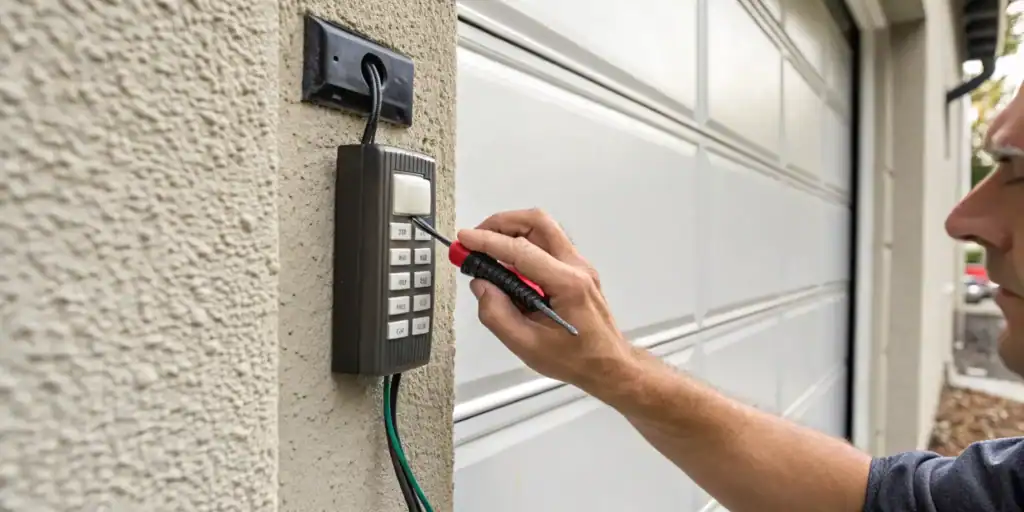
- Consult your opener’s manual to locate the travel and force adjustment screws.
- Make small adjustments and test the door after each change.
- If the problem persists, the opener’s circuit board or sensors may be malfunctioning and require professional service.
5. Sensor Misalignment or Blockage
Safety sensors near the bottom of the door frame prevent the door from closing on people or objects. If these sensors are dirty, blocked, or misaligned, the door may stop or reverse halfway.
- Clean the sensor lenses with a soft cloth.
- Ensure both sensors are facing each other and their indicator lights are solid (not blinking).
- Remove any objects or debris near the sensors’ path.
Additional Troubleshooting Tips
If you’ve checked the above areas and your garage door still won’t operate smoothly, consider these extra steps:
- Test the door manually by pulling the emergency release cord. If it moves freely, the opener may be at fault.
- Inspect the cables for fraying or tangling.
- Check for loose hardware, such as bolts or screws, along the tracks and door panels.
- Review your opener’s error codes if it has a digital display.
For a more comprehensive breakdown of possible issues, you can refer to why garage door stops halfway for expert explanations and troubleshooting advice.
When to Call a Professional
While many garage door problems can be addressed with basic tools and maintenance, certain situations require professional expertise:
- Broken springs or cables
- Repeated opener malfunctions after adjustment
- Major track damage or misalignment
- Electrical issues or persistent sensor errors
Attempting complex repairs without the right skills can be dangerous. If you’re unsure, it’s best to consult a certified technician.
Preventive Maintenance for Reliable Garage Door Operation
Regular upkeep can help you avoid the most frequent causes of garage door halfway issues. Here are some simple steps to keep your system running smoothly:
- Clean and lubricate moving parts every six months.
- Inspect tracks, rollers, and hardware for wear or damage.
- Test the door’s balance by disconnecting the opener and lifting the door manually—it should stay open about halfway.
- Check and adjust opener settings as needed.
- Keep the area around the sensors and tracks clear of debris.
For a step-by-step approach to resolving stuck doors, see the how to fix garage door stuck halfway guide.
Expert Resources and Further Reading
If you’re looking for more in-depth information, the detailed guide on garage door stops halfway provides additional troubleshooting steps and professional recommendations.
Homeowners can also benefit from reading garage door gets stuck halfway explained for a clear overview of common symptoms and what they mean.
Frequently Asked Questions
What should I do first if my garage door only opens halfway?
Start by checking for visible obstructions in the tracks and ensuring the sensors are clean and aligned. If the problem persists, inspect the springs and opener settings, and lubricate moving parts.
Can I fix a garage door halfway issue myself?
Many minor issues, such as cleaning tracks or adjusting sensors, can be handled by homeowners. However, repairs involving springs, cables, or electrical components should be left to professionals for safety reasons.
How often should I maintain my garage door to prevent it from getting stuck?
It’s recommended to clean and lubricate your garage door system at least twice a year. Regularly inspect all components and address minor problems promptly to avoid bigger issues.