When considering home improvement projects, the cost of insulated garage doors often comes up as a significant factor. Understanding this cost is essential for homeowners who want to make informed decisions about their investments. In this guide, we will explore various aspects of insulated garage doors, including their benefits, factors affecting their cost, and how they can add value to your home.
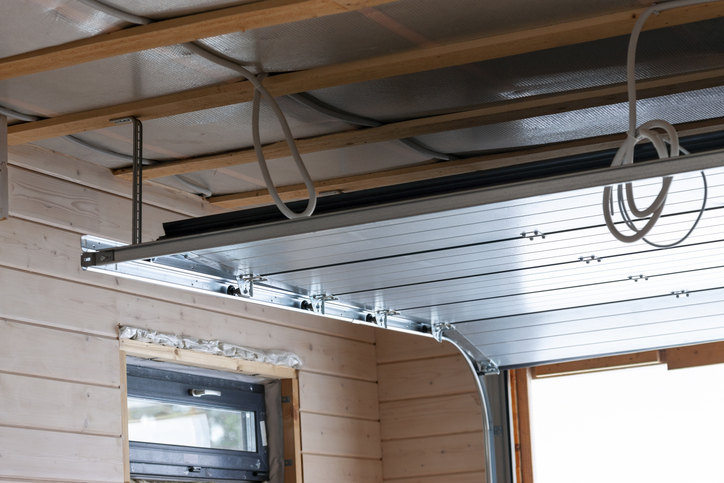
Why Consider Insulated Garage Doors?
Insulated garage doors offer numerous benefits that make them a worthwhile investment. These doors are designed to provide better energy efficiency, noise reduction, and enhanced durability. For homeowners looking to improve their home’s curb appeal and reduce energy bills, insulated garage doors are an excellent choice.
Energy Efficiency and Cost Savings
An insulated garage door can significantly reduce energy costs by maintaining a stable temperature within the garage. This is especially beneficial if your garage is attached to your home, as it can prevent heat loss during the winter and keep the garage cooler in the summer. For more information on energy efficiency, visit OGD’s guide on garage door insulation.
Noise Reduction
If you use your garage as a workshop or living space, an insulated door can help minimize outside noise. This feature is particularly useful for homeowners who live in bustling neighborhoods or near busy roads.
Factors Affecting the Cost of Insulated Garage Doors
Several factors can influence the cost of insulated garage doors. Understanding these factors can help you budget appropriately for your home improvement project.
Material of the Door
The material used in the construction of the garage door plays a significant role in the overall cost. Common materials include steel, aluminum, wood, and fiberglass. Steel doors are popular for their durability and affordability, while wood offers a classic look but may require more maintenance.
Insulation Type and R-Value
The type of insulation and its R-value, which measures thermal resistance, will also affect the cost. Higher R-values indicate better insulation and typically come at a higher price. For a detailed understanding of insulation, you can refer to Home Depot’s insulation guide.
Door Design and Customization
Custom-designed doors with unique styles, colors, and finishes can increase the cost. While these doors offer enhanced aesthetic appeal, they can be more expensive than standard models.
Installation Costs
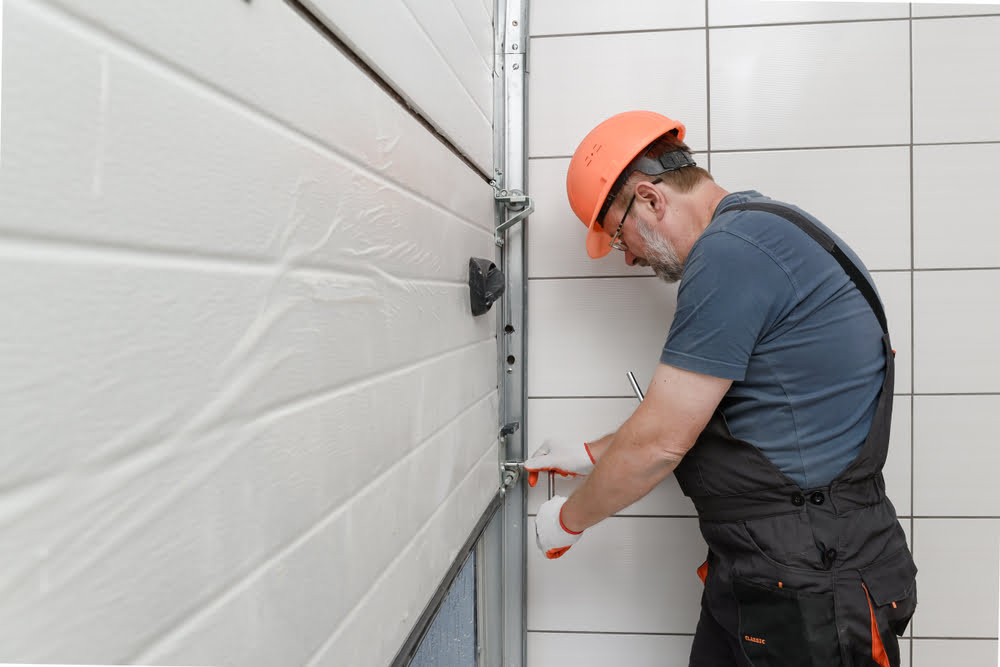
Professional installation is recommended to ensure the door functions correctly and safely. Installation costs can vary based on the complexity of the job and the region where you live. For insights into installation requirements, you can visit permit requirements for garage door installation.
Benefits of Investing in Insulated Garage Doors
While the initial cost of insulated garage doors may be higher than non-insulated ones, the long-term benefits can outweigh the expense.
Increased Home Value
Installing an insulated garage door can boost your home’s resale value by enhancing its appearance and energy efficiency. This makes it an attractive feature for potential buyers. Learn more about how insulated garage doors add value to your home.
Improved Durability
Insulated doors are generally more robust and resistant to dents and damage, providing better security and longevity.
Choosing the Right Insulated Garage Door
Selecting the right door involves balancing cost, aesthetics, and functionality.
Matching Your Home’s Exterior
Consider how the garage door complements your home’s exterior. A well-matched door can enhance your home’s overall look. For tips on selecting the right style, visit matching garage doors.
Considering Long-Term Savings
While insulated doors may come with a higher upfront cost, the savings on energy bills and increased home value can provide a good return on investment over time.
Frequently Asked Questions
1. How much can I expect to pay for an insulated garage door?
The cost of insulated garage doors can range from $800 to $3,000, depending on the material, insulation, and customization options.
2. Are insulated garage doors worth the investment?
Yes, they offer energy savings, noise reduction, and increased home value, making them a worthwhile investment.
3. How do I maintain an insulated garage door?
Regular maintenance includes cleaning, inspecting for damage, and ensuring the door is well-lubricated. Issues like a door not closing properly can be addressed by consulting resources such as garage door troubleshooting.
In conclusion, understanding the cost of insulated garage doors involves considering various factors and benefits. By investing in an insulated garage door, homeowners can enjoy energy efficiency, noise reduction, and increased property value, making it a smart choice for any home improvement project.
This article contains affiliate links. We may earn a commission at no extra cost to you.