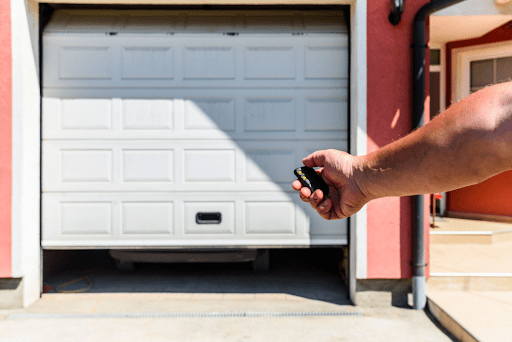
A garage door that gets stuck or slips when opening or closing can be more than just an inconvenience—it can signal underlying issues with your opener system. One of the most common complaints homeowners face is the garage door chain slipping halfway, leaving the door partially open or closed and the opener struggling to complete the cycle. Understanding why this happens and how to address it can help you restore smooth, reliable operation while avoiding costly repairs.
In this guide, we’ll break down the typical reasons for a chain-driven garage door opener to malfunction in this way, offer practical troubleshooting steps, and suggest when it’s time to call in a professional. We’ll also share tips for ongoing maintenance to help prevent future problems. If you’re also dealing with related issues, such as cables coming off track, you may find our resource on how to know if garage door cable is off track helpful.
Common Reasons for Chain-Driven Garage Doors Getting Stuck
When a garage door chain slips halfway through its travel, several mechanical or electrical issues could be at play. Identifying the root cause is the first step toward a reliable fix. Here are the most frequent culprits:
- Loose Chain: Over time, the chain can stretch or lose tension, causing it to jump off the sprocket or fail to move the door smoothly.
- Worn Sprockets or Gears: The drive sprocket or internal gears may wear down, making it difficult for the opener to maintain grip on the chain.
- Obstructions or Track Misalignment: Debris, bent tracks, or misaligned rails can block the door’s path, causing the opener to stop or reverse.
- Limit Switch or Sensor Issues: Incorrectly set limit switches or faulty sensors may cause the opener to stop prematurely, leaving the door stuck mid-way.
- Lack of Lubrication: Dry or rusted chain and rail components can increase friction, leading to jerky movement or slippage.
- Opener Motor Problems: An aging or overheating motor may lack the power to complete the lift, especially if other components are also worn.
How to Diagnose a Slipping Garage Door Chain
Before attempting repairs, it’s important to pinpoint the exact cause of the problem. Here’s a step-by-step approach:
- Visual Inspection: With the opener unplugged, check the chain for sagging, visible wear, or signs that it has jumped off the sprocket.
- Listen for Unusual Noises: Grinding, rattling, or clanking sounds can indicate loose or worn components.
- Check Track Alignment: Inspect the door tracks for bends, obstructions, or misalignment that could impede movement.
- Test the Sensors and Limits: Ensure that photo-eye sensors are clean and aligned, and that the opener’s limit switches are set correctly.
- Manual Operation: Disconnect the opener and try moving the door by hand. If it sticks or feels heavy, the issue may be with the door itself rather than the opener.
Step-by-Step Fixes for a Chain That Slips or Gets Stuck
Once you’ve identified the likely cause, you can try the following solutions. Always unplug the opener before performing any maintenance.
Tightening a Loose Chain
A sagging or slack chain is a frequent reason for a garage door chain slipping halfway through its cycle. Most openers have a tension adjustment bolt near the trolley. Use a wrench to carefully tighten the chain until it sits about 1/4 inch above the rail at its midpoint. Avoid over-tightening, as this can strain the motor and gears.
Lubricating the Chain and Rail
Proper lubrication reduces friction and wear. Apply a garage door lubricant spray to the chain, rail, and sprockets. Avoid using grease, as it can attract dust and debris. For best results, lubricate these parts every six months.
Replacing Worn Sprockets or Gears
If you notice metal shavings, excessive play in the chain, or stripped teeth on the sprocket, replacement may be necessary. Consult your opener’s manual for part numbers and instructions, or consider hiring a professional if you’re unsure.
Adjusting Limit Switches and Sensors
Incorrectly set limits can cause the opener to stop too soon or reverse unexpectedly. Refer to your opener’s manual to adjust the up and down travel limits. Also, ensure the safety sensors at the base of the door are clean and aligned.
Addressing Track and Door Issues
If the door binds or sticks when operated manually, check for bent tracks, loose hardware, or obstructions. Straighten tracks as needed and tighten all fasteners. If the door is unbalanced, you might need to adjust the spring tension—see our garage door spring tension adjustment guide for safety tips.
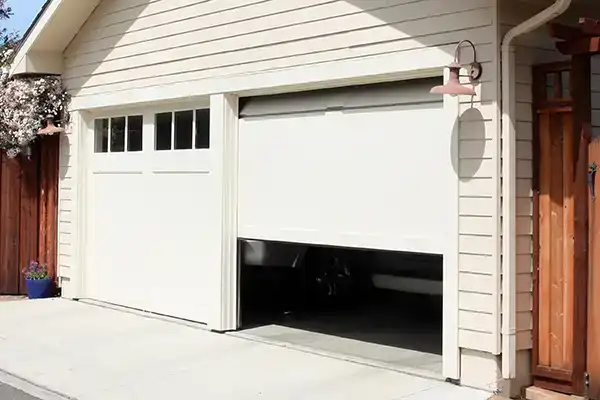
When to Call a Professional for Garage Door Repairs
While many chain and track issues can be addressed with basic tools and maintenance, some situations require expert help:
- The chain continues to slip despite repeated adjustments.
- The opener motor overheats, smokes, or emits a burning smell. For more on this, see our article on garage door motor overheating signs.
- You suspect a broken spring or cable, which can be dangerous to repair without proper training. Learn about the symptoms of broken garage door spring for more details.
- The door is off track or severely misaligned.
- You’re unable to identify the cause after following the steps above.
In these cases, a certified garage door technician can safely diagnose and repair the issue, ensuring your opener operates smoothly and safely.
Preventing Future Chain Slippage and Door Stoppages
Regular upkeep can help you avoid the frustration of a garage door chain slipping halfway through operation. Here are some maintenance tips:
- Inspect and tighten the chain every six months.
- Lubricate moving parts with a recommended spray, not grease.
- Keep tracks, sensors, and the opener rail clean and free of debris.
- Test the door’s balance and alignment periodically.
- Address minor issues promptly to prevent bigger problems down the line.
For more troubleshooting advice, you can also refer to resources like this detailed explanation of why garage doors may close halfway and reopen.
Frequently Asked Questions
Why does my garage door chain keep slipping even after tightening?
If the chain continues to slip after adjustment, it could be due to worn sprockets, stripped gears, or an overstretched chain that can no longer hold tension. In these cases, replacing the affected parts or the entire chain assembly may be necessary.
Is it safe to operate my garage door if the chain slips or the door gets stuck halfway?
Operating a malfunctioning garage door can be unsafe, especially if the door is heavy or the opener is straining. It’s best to disconnect the opener and use the door manually until repairs are made to prevent further damage or injury.
How often should I lubricate my garage door chain and opener?
Lubricate the chain, rail, and moving parts every six months or whenever you notice increased noise or resistance. Use a lubricant specifically designed for garage doors to ensure optimal performance.
Can sensor misalignment cause the door to stop or reverse halfway?
Yes, misaligned or dirty safety sensors can cause the opener to stop or reverse unexpectedly. Make sure the sensors are clean, facing each other, and free of obstructions.
What should I do if my garage door is off track?
If your door is off track, avoid forcing it open or closed. Instead, consult a professional or review our guide on how to know if garage door cable is off track for steps to safely assess the situation.