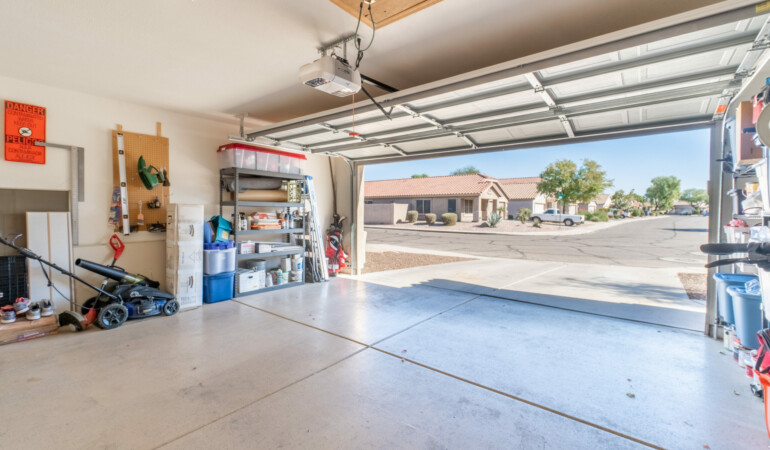
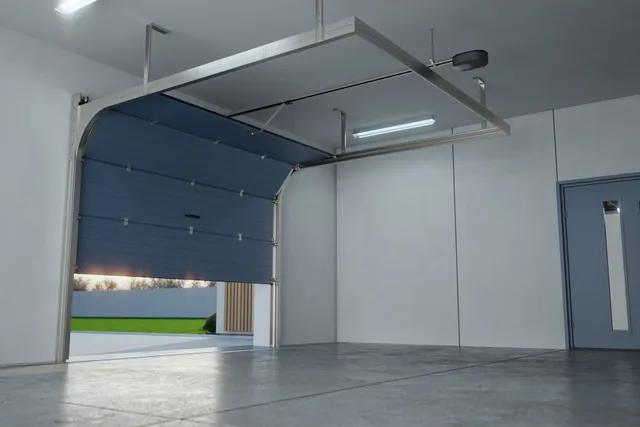
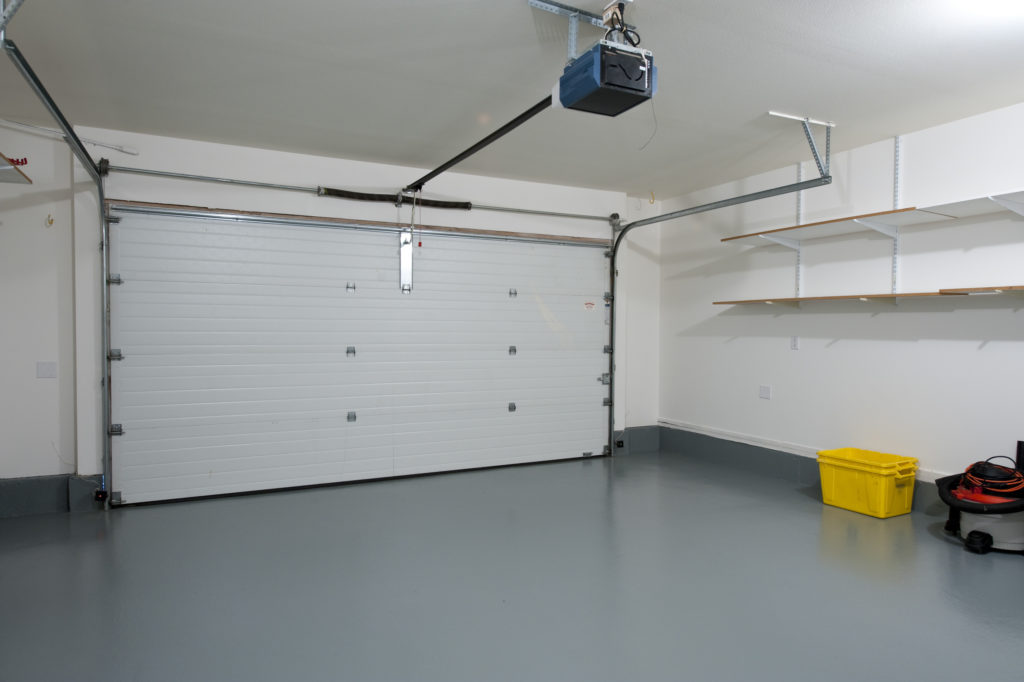
When it comes to the security of your garage door, the choice between a chain and belt opener can significantly impact your home’s safety. Homeowners often face the dilemma of which option to choose, especially when considering the security aspects of these mechanisms. In this article, we will delve into the distinctions between garage door chain vs belt opener security, helping you make an informed decision for your home.
Understanding Garage Door Openers
Before we explore their security features, it’s crucial to understand how garage door openers work. These devices are responsible for opening and closing the garage door via a motorized system. The two most common types are the chain drive and belt drive openers.
What is a Chain Drive Opener?
A chain drive opener uses a metal chain to lift and lower the garage door. It’s known for its durability and affordability, making it a popular choice among homeowners.
What is a Belt Drive Opener?
In contrast, a belt drive opener utilizes a rubber belt to operate the door. This type is renowned for its quiet operation and smooth performance.
Security Aspects of Chain vs Belt Openers
Chain Drive Security
Chain drives are robust and reliable, but they can be noisy. The noise level might not be a direct security concern, but it can alert intruders to your presence. Moreover, the constant vibration can lead to wear and tear, potentially affecting security over time.
Belt Drive Security
Belt drives, on the other hand, offer a quieter operation, which can be an advantage in maintaining a low profile. However, the material of the belt might be perceived as less durable than a chain, raising concerns about its long-term reliability.
Comparing Durability and Maintenance
Durability of Chain Drives
Chain drives are typically very durable. They can withstand varied weather conditions, making them suitable for outdoor garages.
Durability of Belt Drives
Belt drives, while less noisy, are susceptible to wear and need regular maintenance to ensure they remain secure and functional.
Cost Considerations
Cost is another factor that influences the choice between a chain and belt drive. Chain drives are usually less expensive. However, the potential need for more frequent repairs might offset initial savings.
Installation and Compatibility
Both types of openers require professional installation to ensure they operate securely. Each system’s compatibility with your garage door size and type can also influence security.
Advanced Security Features
Smart Technology
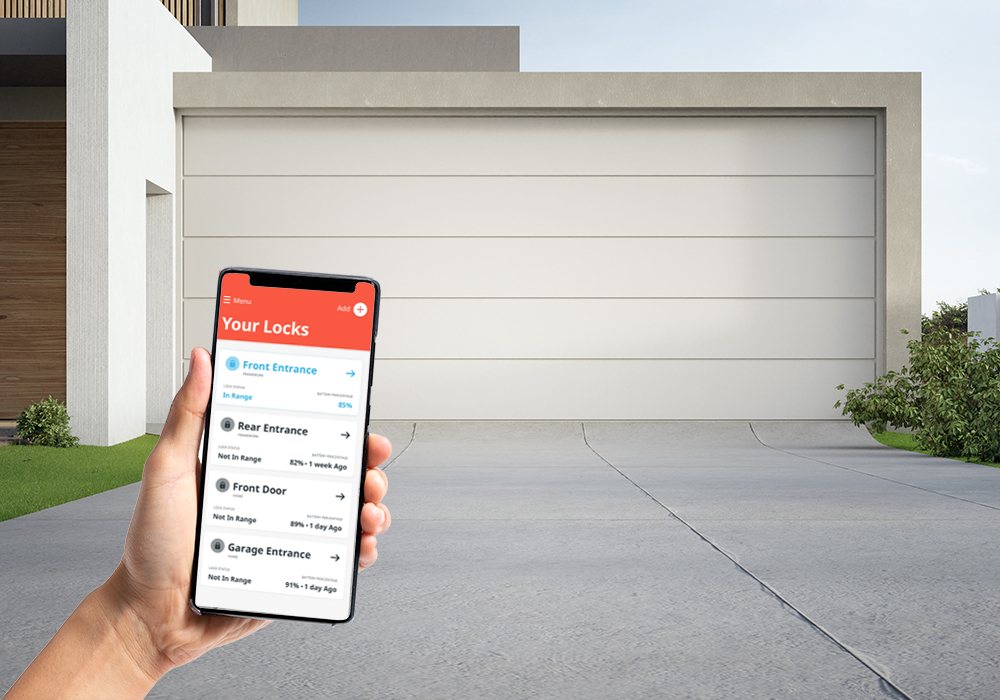
Modern garage door openers, regardless of being chain or belt, often come with smart technology. These features can enhance security by enabling remote monitoring and control of the garage door.
Manual Release Mechanism
Both systems should have a manual release mechanism to ensure you can operate the door during power failures, adding an extra layer of security.
Final Verdict: Which is More Secure?
The choice between a chain and belt opener largely depends on personal preference and specific needs. A chain drive might be more suited for those who prioritize durability, while a belt drive could be ideal for those seeking quieter operation.
For further insights on securing your garage, you can explore more about [anti-theft garage door solutions](https://garagedoorsrepairlasvegas.com/anti-theft-garage-door-solutions/) and [garage door monitoring systems](https://garagedoorsrepairlasvegas.com/garage-door-monitoring-systems/) for enhanced safety.
FAQs
Are belt drive openers less secure than chain drives?
No, both types can be equally secure if properly maintained and equipped with modern security features.
How often should I service my garage door opener?
It’s recommended to service your garage door opener annually to ensure optimal performance and security.
Can I install smart features on my existing garage door opener?
Yes, many existing garage door openers can be retrofitted with smart technology for enhanced security and convenience.
For more detailed information on garage door security, consider visiting resources like Door Doctor for expert advice.
This article contains affiliate links. We may earn a commission at no extra cost to you.