When it comes to home safety, understanding garage door emergency release hacks is crucial. Your garage door not only protects your vehicle but also serves as an additional entry point to your home. Knowing how to handle an emergency release can prevent unwanted access and ensure safety during power outages or mechanical failures.
The Importance of Understanding Emergency Releases
Many homeowners may not realize the significance of the garage door emergency release until they face a situation where it’s necessary. Whether due to a power outage, a malfunctioning door opener, or a security concern, being prepared can make all the difference.
In this guide, we’ll delve into various hacks and tips related to your garage door’s emergency release mechanism, providing you with the knowledge to maintain both convenience and security.
What is a Garage Door Emergency Release?
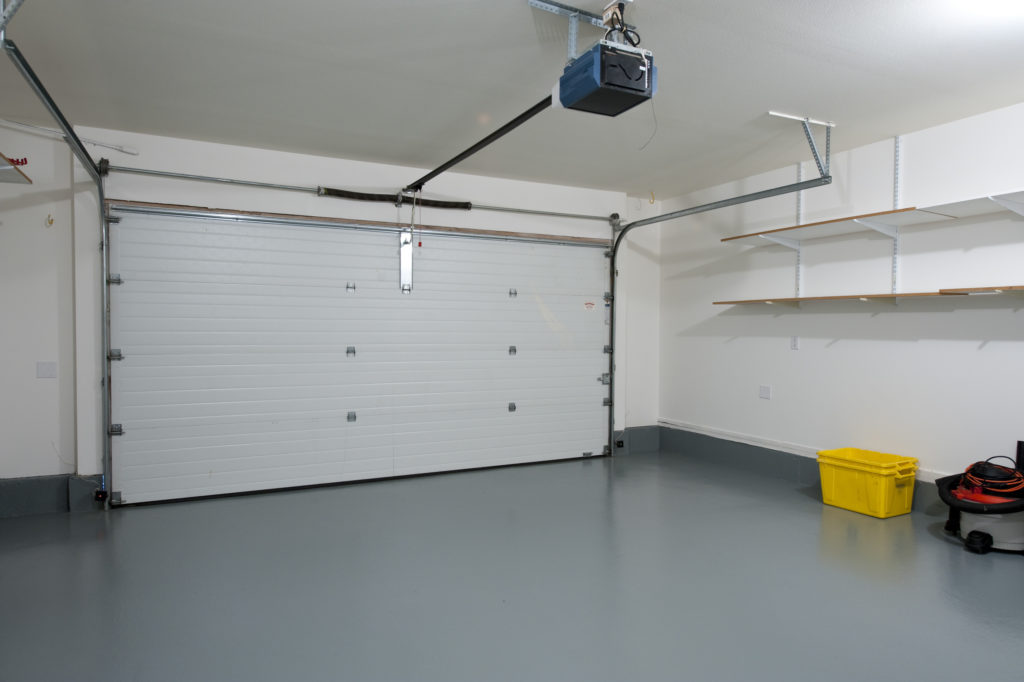
An emergency release is a feature that allows you to manually open your garage door from the inside in case of power failure or when the automatic opener is not functioning. It’s usually a red cord hanging from the opener rail, easily accessible when needed.
How Does It Work?
Pulling the cord disengages the door from the opener, allowing you to lift it manually. This is particularly useful in emergencies or when the automatic system fails.
Why Are Emergency Release Hacks Important?
Understanding garage door emergency release hacks enhances your ability to secure your home and respond effectively during unexpected situations. It ensures that you can maintain access without compromising safety.
Enhancing Security
Knowledge of these hacks prevents unauthorized access. Potential intruders may try to exploit the emergency release, but with the right precautions, you can thwart their attempts.
Common Hacks for Homeowners
Securing the Emergency Release Cord
One effective hack is securing the emergency release cord to prevent it from being pulled from outside. Consider using a zip tie or a hook to keep it from being easily accessed through a gap in the door.
Installing a Shield
Installing a shield over the emergency release mechanism is another way to enhance security. This prevents tools from being inserted to pull the cord.
Regular Maintenance Checks
Performing regular maintenance on your garage door ensures that the emergency release is functional when needed. Lubricate moving parts and check for wear and tear.
Steps to Use the Emergency Release
Knowing how to use the emergency release is as important as securing it. Follow these steps to manually open your garage door:
Step 1: Ensure Safety
Before pulling the release cord, ensure the garage area is clear of people and objects to prevent injury.
Step 2: Pull the Release Cord
Locate the red cord hanging from the opener rail and pull it down. This will disengage the door from the opener.
Step 3: Manually Lift the Door
Once disengaged, manually lift the door. It should move smoothly. If it doesn’t, check for obstructions or mechanical issues.
Re-engaging the Garage Door Opener
After using the emergency release, you’ll need to re-engage the door with the opener. Follow these steps:
Step 1: Align the Door
Ensure the door is fully closed and aligned with the track.
Step 2: Activate the Opener
Use the remote control or wall button to activate the opener. The trolley should reconnect with the door automatically.
When to Call a Professional
While many garage door emergency release hacks are manageable by homeowners, some situations require professional help. If your door doesn’t operate smoothly or shows signs of damage, it’s best to consult a professional.
Signs You Need Help
Look out for issues like loud noises, uneven movement, or inability to open or close. These are indicators that a professional inspection is necessary.
FAQs
1. Can I disable the emergency release?
While you can secure it, disabling is not recommended as it serves as an essential safety feature during power outages or mechanical failures.
2. How often should I check my garage door?
Perform regular checks every six months to ensure all components, including the emergency release, are functioning correctly.
3. What should I do if the door doesn’t open after pulling the release?
If the door doesn’t open, check for obstructions or mechanical issues. If unresolved, consult a professional.

Conclusion
Understanding garage door emergency release hacks is vital for maintaining safety and security in your home. By implementing these tips and ensuring regular maintenance, you can protect your property and respond effectively in emergencies.
For more information on enhancing your garage door security, consider visiting Reolink’s guide on garage door security. Additionally, explore impact-resistant garage doors for added protection against break-ins.
This article contains affiliate links. We may earn a commission at no extra cost to you.