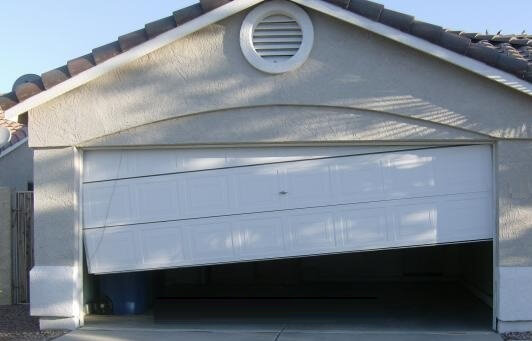
If your garage door stops or reverses when closing, especially around the halfway point, you may be dealing with an issue related to the garage door halfway closing force setting. This setting is crucial for ensuring your door operates safely and efficiently. Understanding how force adjustments work and how to fine-tune them can help you resolve common problems, prevent unnecessary wear, and maintain smooth operation.
In this article, you’ll learn what the force setting does, why it matters, and how to adjust it properly. We’ll also cover related troubleshooting tips and provide practical advice for keeping your garage door in top shape. If you’re experiencing unusual sounds or interruptions during operation, you may also want to review the garage door noise halfway issue guide for additional insights.
Understanding the Force Adjustment on Garage Doors
The force setting on a garage door opener determines how much power the motor uses to open and close the door. This adjustment is vital for safety: if the door meets resistance, the opener should stop or reverse to prevent injury or damage. However, if the force is set too low, the door may stop or reverse unexpectedly, often around the halfway point. If it’s set too high, the door might not respond properly to obstructions.
Most modern openers have separate controls for up and down force. The closing force adjustment specifically affects how much resistance the opener will tolerate before stopping or reversing while the door is closing. If your door halts midway, it’s often a sign that this setting needs attention.
Common Causes for a Door Stopping Halfway
Several factors can cause a garage door to stop or reverse at the midpoint. Here are the most common issues:
- Incorrect force setting: If the closing force is set too low, the opener will interpret normal resistance as an obstruction.
- Dirty or misaligned tracks: Debris or bent tracks can create extra friction, triggering the safety mechanism.
- Worn rollers or hinges: Lack of lubrication or damaged components increases resistance.
- Sensor misalignment: Safety sensors near the floor may be out of alignment or blocked, causing the door to reverse.
- Spring tension issues: Weak or broken springs make the door heavier, requiring more force to close.
For a comprehensive approach to smooth operation, consider following a garage door maintenance checklist to address these potential trouble spots.
How to Adjust the Closing Force Setting
Adjusting the force setting is a straightforward process, but it’s important to proceed carefully to avoid creating safety hazards. Here’s a step-by-step guide:
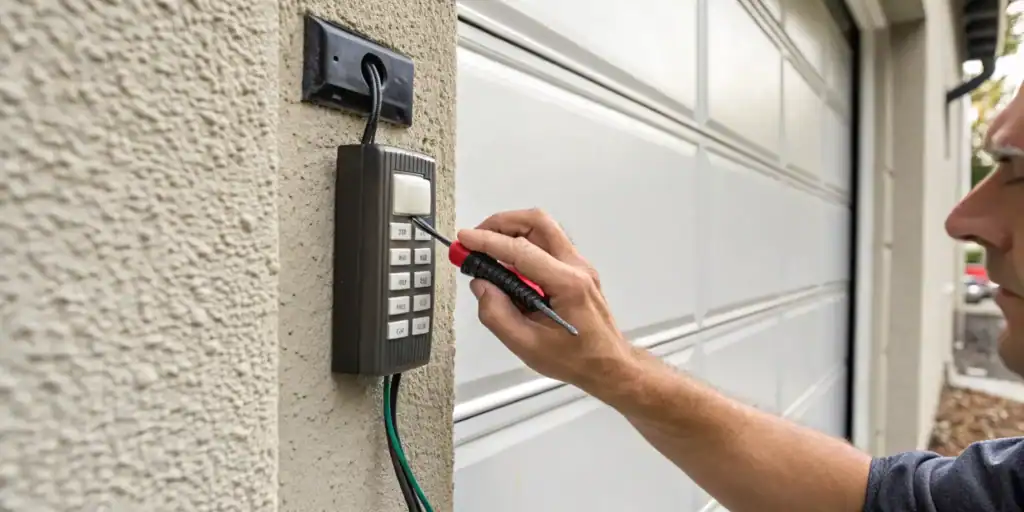
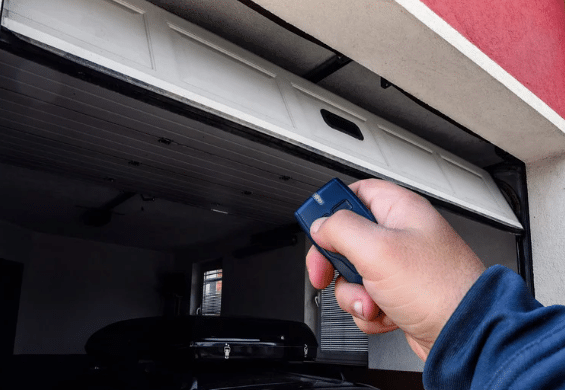
- Locate the force adjustment controls: Most openers have dials or screws labeled “up force” and “down force.” Refer to your opener’s manual for exact locations.
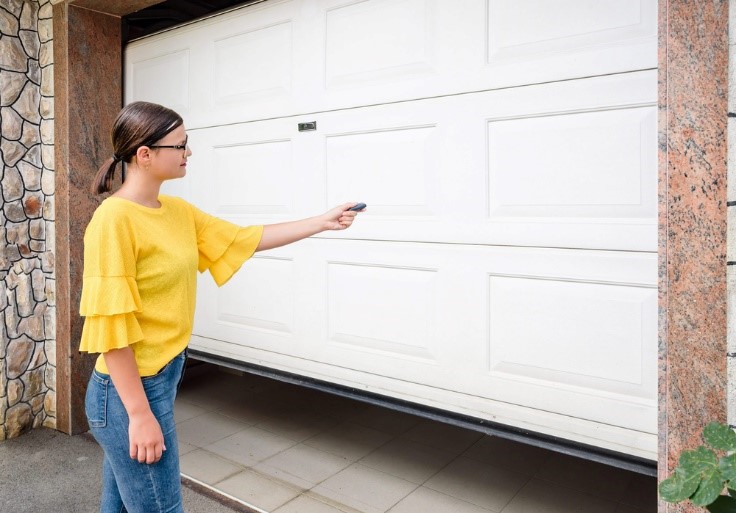
- Test the door: Close the door using the opener. If it stops or reverses halfway, note where the problem occurs.
- Increase the closing force: Turn the “down force” control slightly (usually clockwise) to increase the force. Make small adjustments—about 1/8 turn at a time.
- Retest: Operate the door again. If it still stops, repeat the adjustment. Do not over-tighten; too much force can be dangerous.
- Check safety reversal: Place a small object (like a 2×4) under the door and close it. The door should reverse upon contact. If it doesn’t, reduce the force and retest.
When to Adjust Force Versus Other Troubleshooting
Not every issue with a door stopping midway is due to the force setting. Before making adjustments, inspect the tracks, rollers, and springs for signs of wear or obstruction. Lubricate moving parts with a recommended spray and clear any debris from the tracks. If the problem persists after basic maintenance, then adjusting the force is appropriate.
For more tips on preventing operational issues, check out the how to prevent garage door jamming article, which covers best practices for avoiding common causes of sticking or halting.
Safety Tips for Force Adjustment
While adjusting the force setting can resolve many issues, safety should always come first:
- Never set the force so high that the door won’t reverse when it encounters an obstruction.
- Test the safety reversal function after every adjustment.
- Keep hands and tools clear of moving parts during testing.
- If you’re unsure or uncomfortable making adjustments, consult a professional technician.
Additional Troubleshooting for Halfway Stopping
If the door still stops or reverses at the midpoint after adjusting the force, consider these steps:
- Inspect the photo-eye sensors for dirt, misalignment, or wiring issues.
- Check for bent or damaged tracks and repair as needed.
- Examine the springs for signs of fatigue or breakage.
- Listen for unusual noises that may indicate mechanical problems. The garage door noise halfway issue resource can help diagnose sound-related symptoms.
- Clean the tracks regularly. For guidance, see how to clean garage door tracks.
If none of these measures solve the problem, your opener may require service or replacement. For more severe or persistent issues, professional help is recommended.
Expert Advice and Further Reading
Understanding and adjusting the garage door halfway closing force setting is just one aspect of maintaining a reliable and safe garage door system. For more in-depth troubleshooting, you can consult resources like this detailed explanation of garage doors stopping halfway for additional perspectives and technical tips.
Regular maintenance, prompt attention to unusual behavior, and proper force adjustments will help keep your garage door operating smoothly for years to come.
Frequently Asked Questions
What does the force setting on a garage door opener control?
The force setting determines how much power the opener uses to move the door. If the door encounters resistance above this threshold, the opener will stop or reverse to prevent damage or injury.
Why does my garage door stop or reverse halfway down?
This is often due to an incorrect closing force setting, but can also be caused by dirty tracks, worn rollers, misaligned sensors, or spring issues. Start by inspecting and maintaining these components, then adjust the force as needed.
Is it safe to increase the closing force on my garage door?
It’s safe to make small adjustments, but never set the force so high that the door won’t reverse when hitting an object. Always test the safety reversal function after any change.