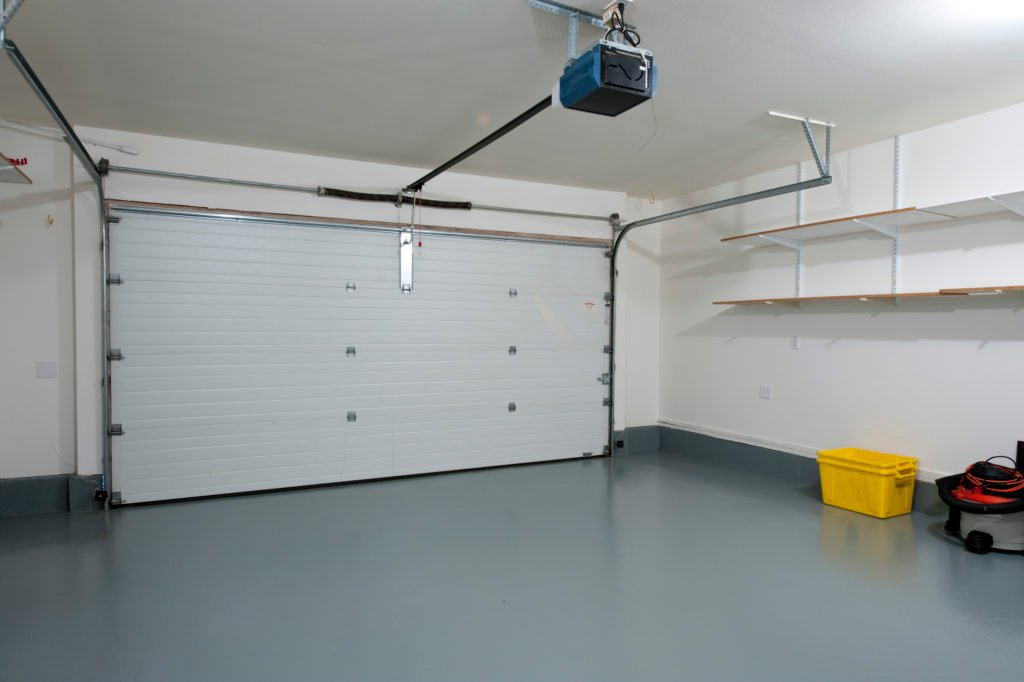
A garage door that stops and hangs halfway can be both frustrating and inconvenient. One of the most common causes for this problem is a loss of tension in the door’s springs or cables. When the tension is not properly balanced, the door may lack the force needed to move smoothly, causing it to stall or reverse direction. Understanding how to identify and resolve this specific malfunction can help restore your garage door’s reliable operation and prevent further mechanical issues.
In this article, we’ll walk through the main reasons for a garage door stalling at the midpoint due to tension problems, how to safely diagnose the issue, and step-by-step instructions to address it. We’ll also highlight essential maintenance tips and when to call a professional. If you’re experiencing related problems, such as unusual noises, you might also find our garage door noise halfway issue guide helpful.
Understanding Tension Loss and Its Impact on Garage Doors
The smooth operation of a garage door relies on the correct balance of tension in its springs and cables. When these components lose tension, the door may become too heavy for the opener to lift, or it may not stay open. This is a frequent cause of a garage door halfway issue due to tension loss. The springs, whether torsion or extension types, are designed to counterbalance the weight of the door. If they weaken or break, the opener alone cannot compensate, leading to the door stalling or reversing partway.
Other symptoms of tension loss include the door feeling unusually heavy when operated manually, visible gaps in torsion springs, or cables appearing loose or off their drums. Addressing these symptoms early can prevent further damage to the opener and other hardware.
Common Signs of a Garage Door Stuck Midway
Recognizing the warning signs of a tension-related malfunction can help you respond quickly. Here are typical indicators that your garage door’s tension system needs attention:
- The door stops or reverses direction at the halfway point.
- Manual operation feels heavy or unbalanced.
- Springs look stretched, broken, or have visible gaps.
- Cables are loose, frayed, or off their pulleys.
- The opener motor runs but the door doesn’t move or moves erratically.
If you notice these symptoms, it’s important to inspect the system before attempting any repairs. For additional maintenance tips, see our garage door maintenance checklist.
Diagnosing Tension Problems in Your Garage Door
Before making any adjustments, ensure your safety by disconnecting the opener and using the manual release cord. Carefully lift the door by hand. If it feels extremely heavy or won’t stay open, the springs have likely lost tension. Inspect both torsion and extension springs for signs of wear or damage. Also, check the cables for fraying or slackness.
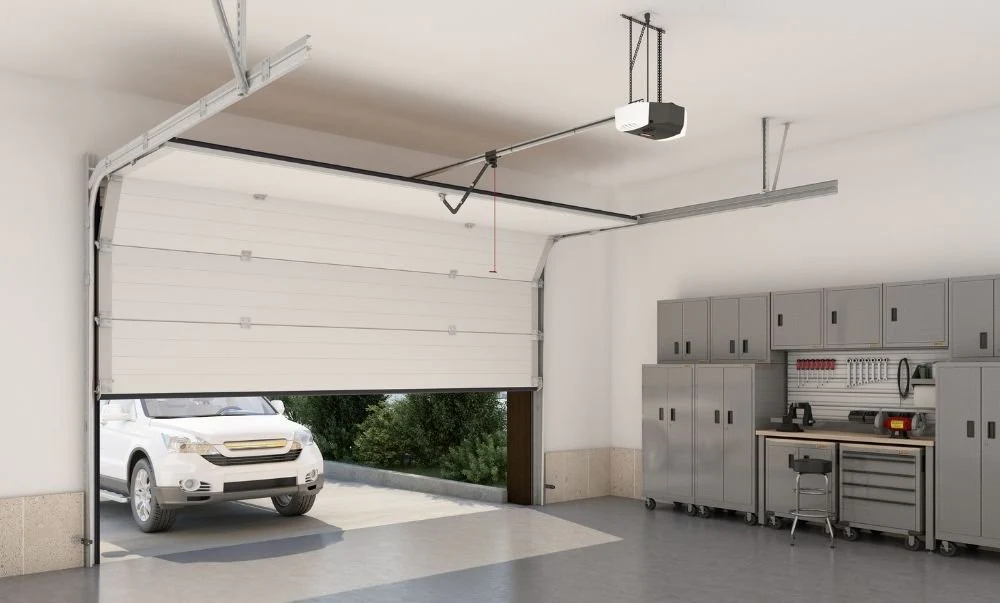
If you’re unsure about the condition of your springs or cables, or if the door is off its tracks, it’s best to consult a professional. Attempting to adjust or replace springs without proper tools and experience can be dangerous.
How to Fix a Garage Door That Stops Halfway Due to Tension Issues
If you’ve confirmed that tension loss is causing your garage door to stall, follow these steps to address the problem. Always prioritize safety and consider professional help for major repairs.
- Disconnect the Opener: Pull the emergency release cord to operate the door manually. This prevents accidental activation during repairs.
- Inspect the Springs: Look for visible gaps, rust, or broken coils in torsion or extension springs. If a spring is broken, do not attempt to repair it yourself—replacement requires specialized tools and knowledge.
- Check the Cables: Ensure cables are properly seated on their drums and not frayed. Loose or off-track cables should be reset or replaced by a technician.
- Test Door Balance: With the opener disengaged, lift the door halfway. If it stays in place, the tension is likely correct. If it falls, the springs need adjustment.
- Adjust Spring Tension (If Safe): For minor adjustments on extension springs, you may be able to reposition the hook to a different hole on the track support. For torsion springs, always call a professional.
- Lubricate Moving Parts: Use a quality garage door lubricant spray on springs, rollers, and hinges to reduce friction and ensure smooth movement.
- Reconnect and Test: Re-engage the opener and test the door’s operation. If it still stalls, further adjustment or professional service may be needed.
For a detailed look at preventing jams, see our article on how to prevent garage door jamming.
Preventing Future Tension-Related Garage Door Problems
Regular maintenance is key to avoiding a garage door halfway issue due to tension loss. Here are some practical tips:
- Inspect springs and cables every few months for signs of wear or damage.
- Lubricate all moving parts at least twice a year with a recommended spray.
- Test the door’s balance by lifting it manually and checking if it stays open halfway.
- Schedule annual professional inspections, especially if your door is older or used frequently.
- Keep the tracks clean and free of debris. For cleaning instructions, refer to our guide on how to clean garage door tracks.
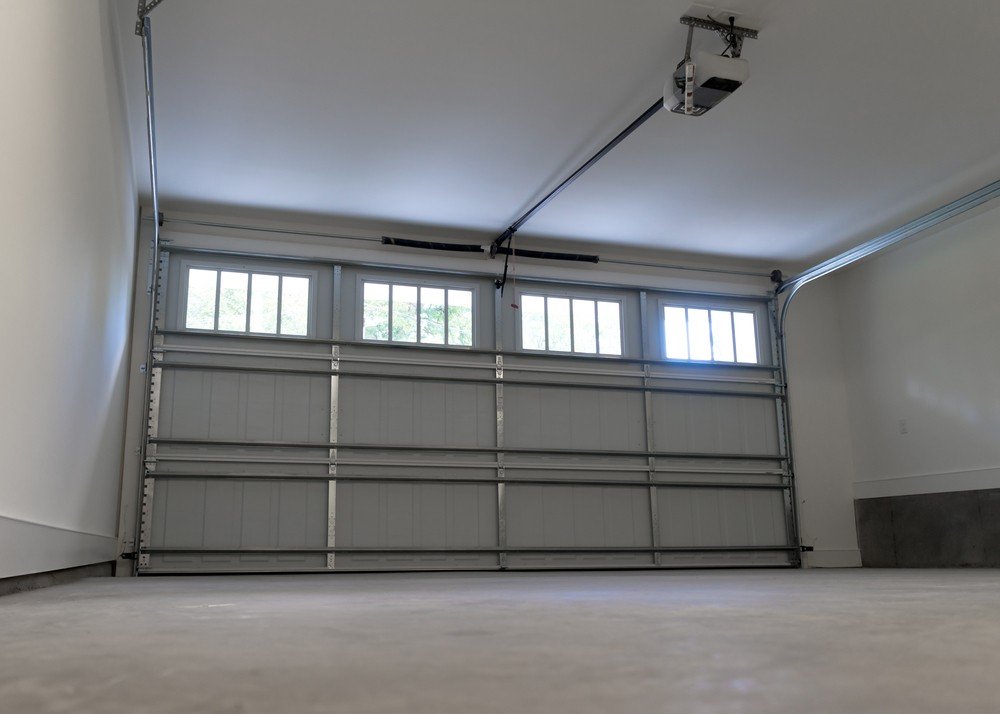
Staying proactive with these steps can extend the life of your garage door system and minimize the risk of unexpected breakdowns.
When to Call a Professional for Garage Door Repairs
While minor maintenance can be handled by most homeowners, certain repairs—especially those involving spring tension—should be left to trained technicians. If you notice a broken spring, frayed cables, or if the door is off its tracks, do not attempt to fix it yourself. Professional service ensures your safety and the proper functioning of your door.
For more insights on troubleshooting, you can refer to this comprehensive guide to garage door halfway problems from Raynor.
Related Issues and Additional Resources
Sometimes, a door that works manually but not automatically can indicate an opener issue rather than a tension problem. If your opener is running but the door won’t move, see our article on why garage door works manually but not automatically for further troubleshooting.
Frequently Asked Questions
What causes a garage door to stop halfway?
The most common reason is a loss of tension in the springs or cables, making the door too heavy for the opener to lift. Other causes include misaligned tracks, obstructions, or opener settings needing adjustment.
Is it safe to adjust garage door springs myself?
Adjusting or replacing springs can be dangerous due to the high tension involved. It’s recommended to hire a professional unless you have the proper tools and experience.
How often should I check my garage door’s tension?
Inspect the springs and cables every three to six months. Regular maintenance and lubrication can help prevent tension loss and extend the life of your garage door system.