Experiencing your garage door getting stuck or encountering mechanical resistance halfway is a common issue for many homeowners. This problem can be both inconvenient and potentially hazardous if left unresolved. Understanding the underlying causes and knowing how to address them is essential for keeping your garage door operating smoothly and safely.
In this guide, we’ll break down the most frequent reasons for a garage door struggling at the midpoint, offer practical troubleshooting steps, and provide actionable solutions. We’ll also highlight when it’s time to call a professional and how to prevent future issues through regular care. If you’re also noticing unusual sounds during operation, you might find this garage door noise halfway issue resource helpful.
Understanding Midway Resistance in Garage Doors
When a garage door encounters mechanical resistance at the halfway point, it typically means there is an obstruction or a mechanical fault within the system. This can manifest as the door stopping, slowing down, or reversing direction unexpectedly. Recognizing the symptoms early can help prevent further damage and costly repairs.
Common Causes of Garage Door Resistance at Midpoint
Several factors can contribute to a garage door struggling or stopping halfway. Here are the most frequent culprits:
- Track Obstructions: Debris, dirt, or small objects lodged in the tracks can impede the door’s movement.
- Misaligned Tracks: If the tracks are bent or out of alignment, the rollers may bind, causing resistance.
- Worn or Damaged Rollers: Old or broken rollers can create friction, making it hard for the door to glide smoothly.
- Spring Issues: Torsion or extension springs that are weak, broken, or improperly adjusted can cause the door to lose balance and stall.
- Opener Problems: Faulty or misadjusted openers may not provide enough force to lift the door past the midpoint.
- Lack of Lubrication: Dry or rusty moving parts increase friction and resistance.
How to Diagnose Mechanical Resistance in Your Garage Door
Pinpointing the source of garage door halfway mechanical resistance requires a systematic approach. Here’s a step-by-step process to help you identify the problem:
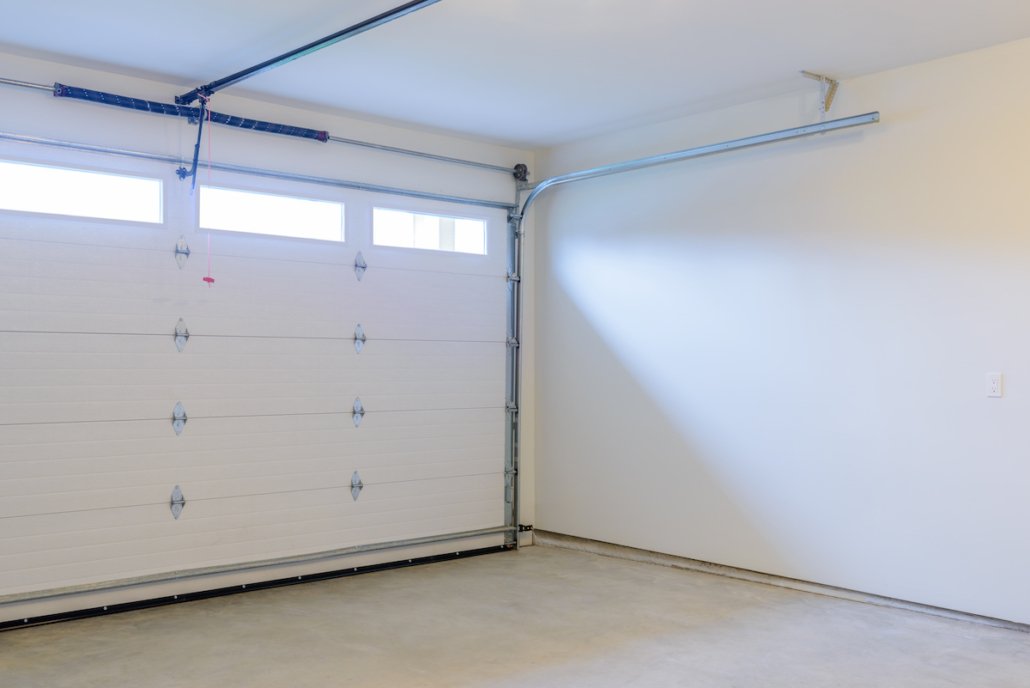
- Disconnect the Opener: Pull the emergency release cord to operate the door manually. If resistance persists, the issue is likely mechanical rather than electrical.
- Inspect the Tracks: Look for visible debris, dents, or misalignment. Gently clean and realign as needed.
- Examine the Rollers: Check for signs of wear, flat spots, or broken rollers. Replace any that are damaged.
- Check the Springs: Observe the springs for gaps, rust, or signs of breakage. Do not attempt to adjust or replace springs yourself, as they are under high tension.
- Test the Balance: With the opener disengaged, lift the door halfway and let go. A balanced door should stay in place. If it moves, spring tension may need adjustment.
- Lubricate Moving Parts: Apply a silicone-based lubricant to the rollers, hinges, and tracks to reduce friction.
- Reconnect and Test the Opener: Re-engage the opener and observe the door’s movement for improvement.
For a more comprehensive maintenance routine, see this garage door maintenance checklist to ensure all components are in optimal condition.
Effective Solutions for a Stuck or Resistant Garage Door
Once you’ve identified the source of the resistance, you can take targeted action. Here are some solutions based on the most common issues:
- Remove Obstructions: Clear any debris or objects from the tracks and surrounding area.
- Realign Tracks: Use a rubber mallet and level to gently adjust misaligned tracks. Tighten any loose mounting brackets.
- Replace Rollers: Swap out worn or damaged rollers for new nylon or steel ones for smoother operation.
- Lubricate Regularly: Apply lubricant spray to all moving parts every few months to minimize friction and wear.
- Adjust Opener Settings: Consult your opener’s manual to adjust force and travel limits if the door struggles at the midpoint.
- Professional Spring Service: If springs are damaged or unbalanced, contact a qualified technician for safe replacement or adjustment.
Preventing Future Midway Resistance Problems
Regular upkeep is the best way to avoid recurring mechanical resistance halfway through your garage door’s cycle. Here are some proactive steps:
- Clean Tracks Frequently: Remove dust and debris from tracks to prevent buildup.
- Inspect and Lubricate: Schedule monthly checks and lubrication of rollers, hinges, and springs.
- Tighten Hardware: Periodically check and secure all bolts and brackets.
- Test Door Balance: Perform a balance test every few months to ensure proper spring tension.
- Address Minor Issues Promptly: Fix small problems before they escalate into major repairs.
For more tips on keeping your system running smoothly and avoiding jams, see our guide on how to prevent garage door jamming.
When to Call a Professional for Garage Door Resistance
While many minor issues can be handled with basic tools and DIY know-how, some situations require expert intervention:
- Broken or Stretched Springs: These are under high tension and can be dangerous to repair without proper training.
- Severe Track Damage: Extensive bends or breaks in the tracks may need professional realignment or replacement.
- Persistent Opener Malfunctions: If adjustments don’t resolve the problem, the opener may need servicing or replacement.
- Electrical Issues: Problems with wiring or sensors should be addressed by a qualified technician.
For more information on troubleshooting complex issues, you can consult resources like this comprehensive garage door troubleshooting guide.
FAQ: Addressing Garage Door Resistance at the Midpoint
What should I do first if my garage door stops halfway?
Start by disconnecting the opener and operating the door manually. If it still sticks, inspect the tracks and rollers for obstructions or damage. Lubricate moving parts and check for visible issues before considering opener adjustments.
Can I fix garage door springs myself?
It is not recommended to attempt spring repairs yourself. Springs are under extreme tension and can cause serious injury if handled improperly. Always contact a professional for spring replacement or adjustment.
How often should I lubricate my garage door components?
Lubricate all moving parts, including rollers, hinges, and tracks, every three to six months. Regular lubrication reduces friction and helps prevent mechanical resistance during operation.
Are there ways to prevent my garage door from getting stuck halfway?
Yes, regular cleaning, lubrication, and inspection of your garage door system can prevent most issues. Following a routine maintenance checklist will help keep your door operating smoothly.
What if my garage door works manually but not with the opener?
If the door moves freely by hand but not with the opener, the issue may be with the opener’s settings or components. Refer to this guide on why garage door works manually but not automatically for troubleshooting tips.