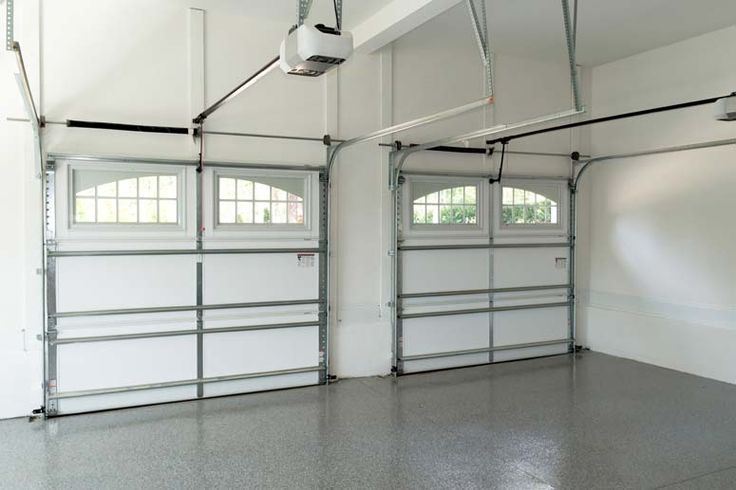
Experiencing your garage door stopping unexpectedly halfway can be both inconvenient and concerning. This issue, often referred to as garage door halfway power loss, can leave your vehicle trapped or your home exposed. Understanding the underlying causes and knowing how to address them helps restore reliable operation and prevent future disruptions.
Several factors can lead to a garage door losing power or stalling mid-cycle. These range from electrical faults and motor problems to sensor misalignments and mechanical obstructions. In this guide, we’ll break down the most common reasons for this malfunction, provide step-by-step troubleshooting advice, and suggest practical solutions for homeowners and DIY enthusiasts.
If you’re interested in understanding how your opener’s settings impact its operation, check out our detailed explanation on how garage door limit settings work.
Understanding Why Garage Doors Lose Power Midway
When a garage door halts partway through its travel, the root cause is often a disruption in the power supply or a safety mechanism being triggered. Recognizing the symptoms and their likely sources is the first step toward a solution.
- Electrical interruptions: Power surges, tripped breakers, or faulty wiring can cut electricity to the opener.
- Motor overload: Excessive strain on the opener motor may cause it to shut off as a protective measure.
- Sensor issues: Misaligned or dirty safety sensors can signal the opener to stop or reverse.
- Mechanical resistance: Broken springs, worn rollers, or blocked tracks can physically impede movement.
- Limit setting errors: Incorrectly set travel limits can cause the door to stop before reaching the ground or ceiling.
Common Causes of Garage Door Stopping Halfway
Let’s explore the most frequent reasons for garage door halfway power loss and how to identify them:
1. Power Supply Problems
A sudden loss of electricity is a leading cause of garage doors stopping unexpectedly. Check if other electrical devices in the garage are working. If not, inspect your breaker panel for tripped circuits or blown fuses. Sometimes, the outlet powering the opener may have a loose connection or be controlled by a wall switch that was accidentally turned off.
2. Overloaded or Failing Opener Motor
Garage door openers are designed with thermal overload protection. If the motor is working too hard—perhaps due to a heavy door, lack of lubrication, or internal wear—it may shut down to prevent damage. Allow the motor to cool for 15–30 minutes, then try again. If the problem persists, the opener may need servicing or replacement.

3. Safety Sensor Malfunctions
Modern garage doors use photo-eye sensors near the floor to detect obstructions. If these sensors are dirty, misaligned, or blocked, the opener may interpret this as a safety risk and halt or reverse the door. Cleaning the lenses and ensuring both sensors are facing each other can often resolve this. For a step-by-step walkthrough, see our article on garage door photo eye troubleshooting.
4. Mechanical Blockages or Damaged Components
Physical resistance from broken springs, bent tracks, or worn rollers can cause the opener to stop. Inspect the door’s tracks for debris, dents, or obstructions. Listen for unusual noises during operation, which may indicate a failing part. Lubricating moving components with a suitable spray can reduce friction and help prevent stalls.

5. Incorrect Limit Settings or Switches
If the opener’s travel limits are set incorrectly, the door may stop before reaching its fully open or closed position. Adjusting these settings is usually straightforward, but always consult your opener’s manual for guidance. For a deeper understanding, read our explanation on garage door limit switch explained.
Step-by-Step Troubleshooting for Midway Power Loss
- Check the power source: Ensure the opener is plugged in and the outlet is functional. Test with another device if unsure.
- Inspect the circuit breaker: Reset any tripped breakers or replace blown fuses related to the garage.
- Test the opener: After allowing the motor to cool, attempt to operate the door again. Listen for any unusual sounds or lack of response.
- Clean and align sensors: Wipe the photo-eyes and confirm they are facing each other. Remove any objects blocking their path.
- Examine mechanical parts: Look for visible damage to springs, cables, or tracks. Lubricate moving parts to reduce friction.
- Adjust limit settings: If the door consistently stops at the same point, fine-tune the travel limits per the manufacturer’s instructions.
- Test manually: Disconnect the opener and lift the door by hand. If it moves smoothly, the problem is likely with the opener. If not, mechanical repairs may be needed.
When to Call a Professional
While many causes of garage door halfway power loss can be resolved with basic troubleshooting, certain issues require professional expertise. If you notice broken springs, frayed cables, or persistent electrical problems, contact a certified technician. Attempting repairs on high-tension components can be dangerous without proper tools and training.
For more insights into safety features that might be causing your door to reverse or stop, see our resource on garage door reversing halfway safety feature.
Preventing Future Garage Door Power Interruptions
- Schedule regular maintenance to keep all components clean and lubricated.
- Test the door’s balance and safety sensors monthly.
- Replace worn parts promptly to avoid additional strain on the opener.
- Install a surge protector to safeguard the opener from electrical spikes.
- Review your opener’s manual for recommended service intervals and troubleshooting tips.
For a comprehensive look at how sensors contribute to safe operation, explore our article on how garage door sensors prevent accidents.
Additional Resources
If you’re still experiencing issues or want more detailed troubleshooting steps, visit this in-depth guide on garage door stopping halfway for further advice.
Frequently Asked Questions
Why does my garage door stop and reverse halfway?
This usually happens due to misaligned or obstructed safety sensors, mechanical resistance, or incorrect limit settings. Clean the sensors, check for obstructions, and adjust the opener settings as needed.
What should I do if my garage door opener loses power during operation?
First, check the power source and circuit breaker. If the opener is still unresponsive, inspect for overheating, damaged wiring, or tripped safety features. Allow the motor to cool and try again.
Can I fix a garage door that stops halfway myself?
Many issues, such as cleaning sensors or adjusting settings, can be handled by homeowners. However, repairs involving springs, cables, or electrical wiring should be left to professionals for safety reasons.