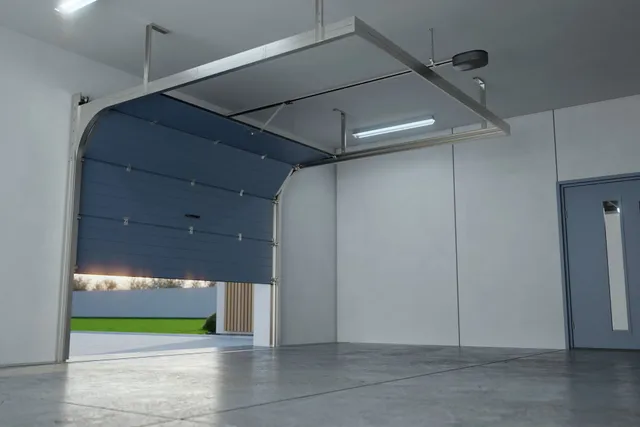
A garage door that stops moving and gets stuck halfway can be more than just an inconvenience—it can also be a safety concern. Many homeowners encounter this issue, often wondering if it’s a mechanical failure or a built-in safety feature at work. Understanding how the safety lock mechanism functions and what to do when your garage door is stuck midway can help you resolve the problem quickly and safely.
In this guide, we’ll break down the most common reasons for a garage door halting at the midpoint, explain how safety locks are designed to protect you and your property, and provide actionable steps to troubleshoot and fix the issue. We’ll also link to additional resources, such as a garage door noise halfway issue guide, to help you maintain smooth and safe operation.
Understanding Why Garage Doors Get Stuck Midway
When a garage door stops moving at the halfway point, it’s often due to a combination of safety mechanisms and mechanical issues. Modern garage doors are equipped with safety locks and sensors that halt movement if an obstruction or malfunction is detected. This is a crucial feature designed to prevent accidents and protect both people and property.
The most common causes for a door pausing at the midpoint include:
- Obstructed tracks or debris blocking the path
- Misaligned safety sensors detecting an object or miscommunication
- Broken or worn out springs affecting balance and movement
- Manual safety lock engagement (often triggered accidentally)
- Electrical or opener malfunctions
If you hear unusual sounds when the door stops, you may want to review the garage door noise halfway issue article for more insight.
How the Safety Lock Mechanism Works
The safety lock on a garage door is designed to engage if the system senses a problem, such as resistance, imbalance, or a blocked path. This feature is especially important for preventing the door from crashing down unexpectedly or causing injury. When the safety lock is triggered, the opener will usually stop the door’s movement and may even reverse it slightly.
Key components involved in this process include:
- Photo-eye sensors at the base of the door, which detect obstructions
- Force settings on the opener, which monitor resistance during operation
- Manual release handles that allow you to disengage the opener in emergencies
If your garage door opener is outdated or malfunctioning, upgrading to a modern unit with advanced safety features can help prevent future issues.
Step-by-Step Troubleshooting for a Door Stuck Midway
If your garage door is stuck halfway and the safety lock seems to be engaged, follow these steps to diagnose and potentially fix the problem:
- Check for Obstructions: Inspect the tracks and the area around the sensors for any debris, tools, or objects that could be blocking the door’s path.
- Inspect the Sensors: Make sure the photo-eye sensors are aligned and clean. If the indicator lights are blinking or off, realign or wipe the sensors gently.
- Test the Manual Release: Pull the red emergency release cord to disengage the opener. Try moving the door by hand to see if it moves freely. If it doesn’t, the issue may be mechanical.
- Examine the Springs and Cables: Look for broken, loose, or worn springs and cables. Do not attempt to repair these yourself if you’re not experienced, as they are under high tension.
- Reset the Opener: Turn off the power to the opener for a minute, then restore it. Try operating the door again.
- Lubricate Moving Parts: Apply a specialized lubricant to the rollers, hinges, and tracks to reduce friction.
- Consult a Professional: If the problem persists, contact a garage door technician to inspect and repair the system.

Common Triggers for Safety Lock Engagement
Several factors can cause the safety lock to activate and leave your garage door stuck at the midpoint. Understanding these triggers can help you prevent future occurrences:
- Sensor Misalignment: Even a slight bump can knock sensors out of alignment, causing the system to interpret a false obstruction.
- Track Debris: Dirt, leaves, or small objects in the tracks can stop the door and trigger the lock.
- Spring or Cable Failure: If a spring or cable snaps, the opener’s safety system will halt the door to avoid further damage or injury.
- Manual Lock Activation: Accidentally engaging the manual lock or release handle can prevent the door from moving past the halfway point.
- Electrical Issues: Power surges, faulty wiring, or a malfunctioning opener can interrupt normal operation.
For a more comprehensive approach to keeping your system in top shape, refer to the garage door maintenance checklist.

Preventing Future Issues With Your Garage Door
Regular maintenance and awareness of your garage door’s safety features can help you avoid getting stuck in the future. Here are some practical tips:
- Keep Tracks and Sensors Clean: Wipe down tracks and sensor lenses regularly to prevent dirt buildup.
- Test the Safety Features: Periodically check that the sensors and auto-reverse functions are working as intended.
- Lubricate Moving Parts: Use a high-quality lubricant on rollers, hinges, and springs every few months.
- Schedule Professional Inspections: Have a technician inspect your system annually to catch wear and tear early.
- Stay Informed: Read up on how to prevent garage door jamming for more tips on avoiding common problems.
If you’re considering upgrading your opener or want to ensure your safety lock system is up to date, explore options with advanced features and consult a professional for installation.
When to Call a Professional
While many issues can be resolved with basic troubleshooting, some situations require expert help:
- Broken springs or cables (never attempt to repair these yourself)
- Repeated safety lock engagement with no clear cause
- Electrical or opener malfunctions that persist after resetting
- Physical damage to the door, tracks, or hardware
If you’re unsure about any step or the door remains stuck, contact a qualified garage door technician for a safe and thorough repair.
For more detailed repair instructions, you can also consult this step-by-step guide to fixing a garage door that’s stuck halfway.
Frequently Asked Questions
What should I do first if my garage door is stuck halfway?
Begin by checking for obvious obstructions in the tracks or near the sensors. Ensure the photo-eye sensors are aligned and clean. If the door still won’t move, pull the emergency release cord to see if the door can be operated manually.
Can I disable the safety lock on my garage door?
The safety lock is a crucial feature for preventing accidents and should not be permanently disabled. If it’s engaging unnecessarily, inspect the sensors, tracks, and opener settings, or contact a professional to address the underlying issue.
How often should I maintain my garage door to prevent it from getting stuck?
Regular maintenance every 6–12 months is recommended. This includes cleaning the tracks, lubricating moving parts, and testing the safety features. For a full checklist, refer to the garage door maintenance checklist.
Why does my garage door only get stuck halfway and not at other points?
If your door consistently stops at the same spot, it could indicate a problem with the tracks, a misaligned sensor, or a worn spring. These issues often trigger the safety lock at a specific point in the door’s travel.
Is it safe to try to fix a stuck garage door myself?
Simple fixes like clearing debris or realigning sensors are generally safe. However, repairs involving springs, cables, or the opener’s internal components should be left to professionals due to the risk of injury.