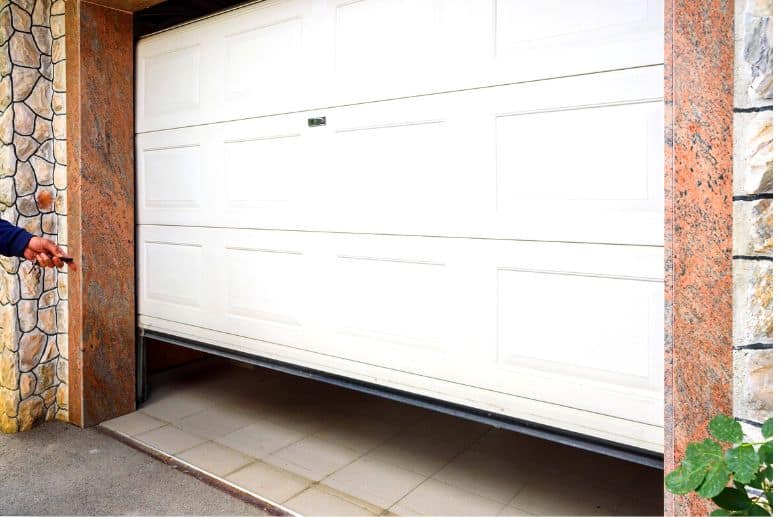
When it comes to maintaining a safe and efficient home environment, ensuring your garage door is in top condition is crucial. A garage door inspection after opener replacement is an essential step that all homeowners should consider. This process not only guarantees the longevity of your new opener but also ensures the safety and security of your home.
Replacing a garage door opener is a significant task, and once completed, it’s important to follow up with a thorough inspection. This ensures that everything is functioning correctly and that there are no underlying issues that could compromise the operation of your garage door. In this article, we’ll explore the necessary steps and key considerations for conducting a comprehensive garage door inspection after replacing the opener.
Why Is a Garage Door Inspection Important?
A garage door inspection is vital for several reasons. Firstly, it ensures that your new opener is installed correctly and operating efficiently. An inspection can help identify any potential problems early on, preventing costly repairs or replacements in the future. Additionally, regular inspections enhance safety by ensuring that the door is balanced and the safety features are functioning properly.
Moreover, a well-maintained garage door can enhance the overall curb appeal of your home. By conducting regular inspections, you can ensure that your garage door remains in good condition, adding value to your property.
Key Components to Inspect
1. The Condition of the Door
Start by examining the physical condition of the garage door. Look for any signs of wear and tear, such as dents, rust, or chipped paint. These issues could indicate underlying problems that need to be addressed.
2. The Balance of the Door
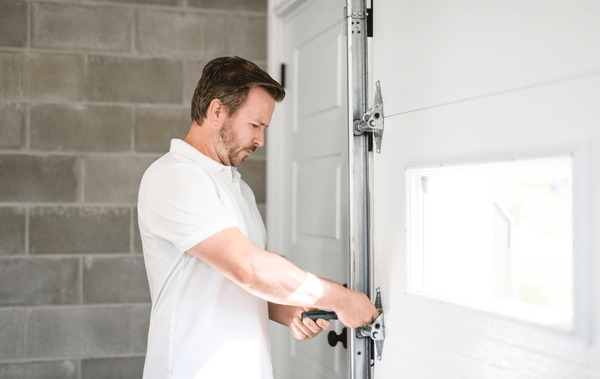
A balanced garage door is crucial for its proper functioning. To check the balance, disconnect the opener and manually lift the door halfway. If it stays in place, it’s well-balanced. If it falls or rises, adjustments may be necessary.
3. The Safety Features
Ensure that the safety features, such as the auto-reverse mechanism, are working correctly. Place an object in the door’s path to test this feature. The door should reverse immediately upon contact.
4. The Opener System
Inspect the opener system for any unusual noises or vibrations. Make sure all components are securely fastened and that the opener is properly programmed.
Steps to Conduct a Thorough Garage Door Inspection
1. Visual Inspection
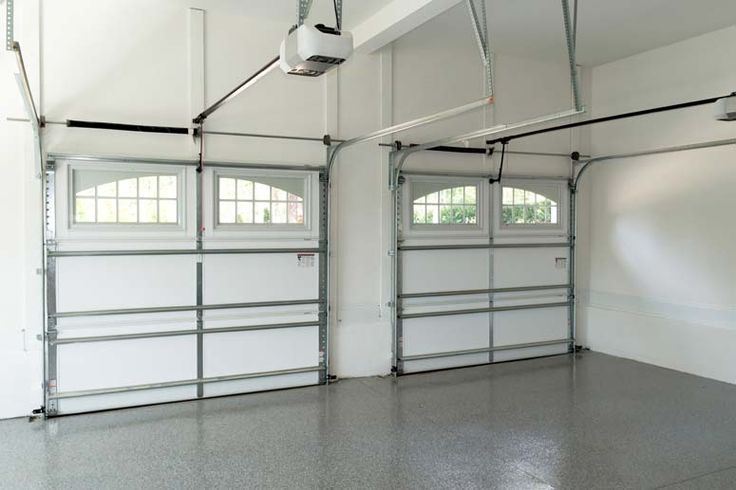
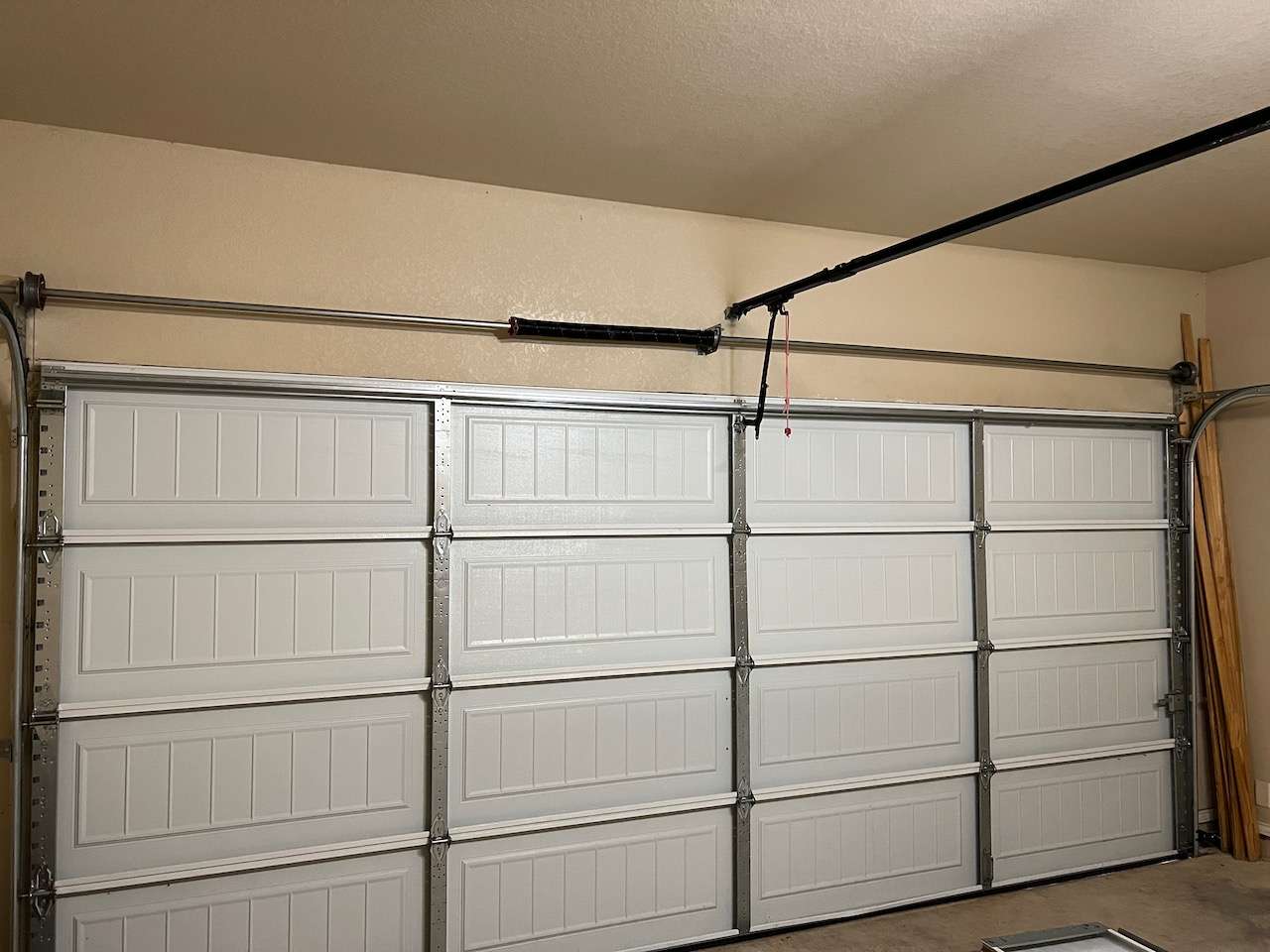
Begin with a visual inspection of all components, including springs, cables, rollers, and tracks. Look for any signs of wear or damage.
2. Testing the Door’s Operation
Operate the door a few times to observe its movement. Listen for any unusual sounds and ensure that it opens and closes smoothly.
3. Checking the Lubrication
Proper lubrication is essential for the smooth operation of a garage door. Check all moving parts and apply lubricant where necessary.
4. Inspecting the Weather Seals
Examine the weather seals at the bottom and sides of the door. Replace any seals that are cracked or damaged to prevent drafts and moisture from entering the garage.
When to Call a Professional
While some aspects of a garage door inspection can be performed by homeowners, certain issues require professional attention. If you notice any significant problems or if you’re unsure about any aspect of the inspection, it’s best to consult a professional. They can provide a detailed assessment and perform any necessary repairs or adjustments.
For more detailed guidance on professional inspections, you can refer to this article on inspecting garage doors.
Maintaining Your Garage Door After Replacement
1. Regular Maintenance
Implement a regular maintenance routine to keep your garage door in top condition. This includes cleaning, lubricating, and tightening all components periodically.
2. Monitoring for Changes
Stay alert for any changes in the door’s operation. Unusual noises, slower movement, or difficulty in opening and closing could indicate underlying issues that need to be addressed.
3. Scheduling Professional Inspections
Consider scheduling professional inspections annually to ensure that your garage door remains safe and functional. Professionals can identify problems that may not be apparent to the untrained eye.
For more insights on garage door inspections, check out this comprehensive guide on garage door inspection.
Conclusion
A garage door inspection after opener replacement is a vital step in ensuring the safety and efficiency of your home. By conducting regular inspections and addressing any potential issues early on, you can prolong the lifespan of your garage door and maintain a secure home environment. Remember, while some inspection tasks can be performed by homeowners, don’t hesitate to call a professional when needed.
FAQs
1. How often should I inspect my garage door?
It’s recommended to inspect your garage door at least twice a year, or more frequently if you notice any issues.
2. Can I perform a garage door inspection myself?
Yes, homeowners can perform basic inspections. However, for more complex issues, it’s best to consult a professional.
3. What should I do if my garage door is unbalanced?
If your garage door is unbalanced, it’s advisable to contact a professional to perform the necessary adjustments.
This article contains affiliate links. We may earn a commission at no extra cost to you.