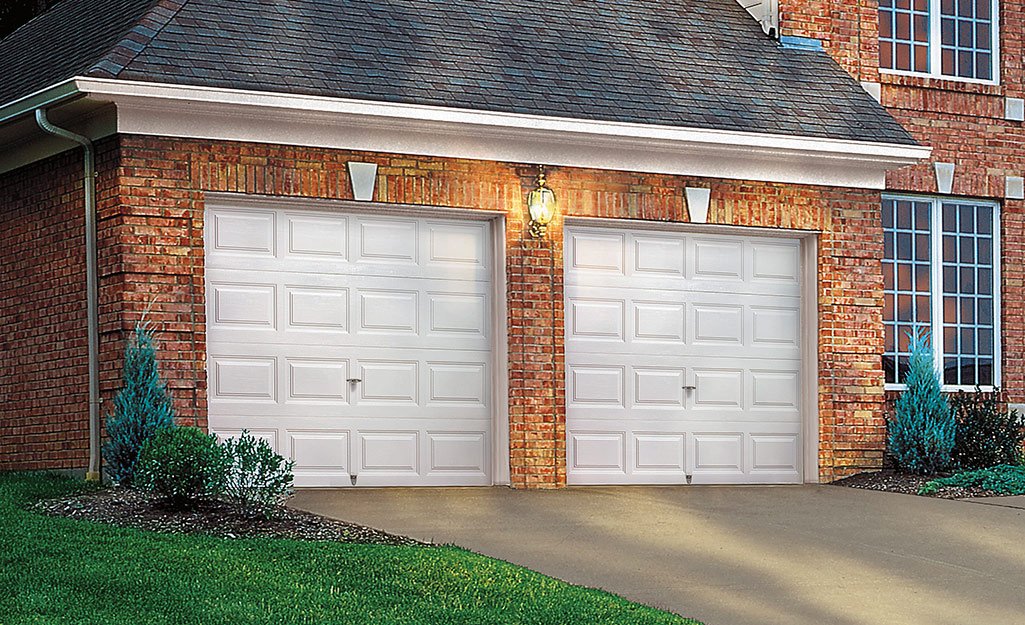
When high winds strike, the potential for damage to your home is significant. One area that often bears the brunt of such forces is the garage door. Conducting a thorough garage door inspection after wind damage is crucial for ensuring the safety and functionality of your home. This guide will walk you through the necessary steps to take post-storm to protect your property and loved ones.
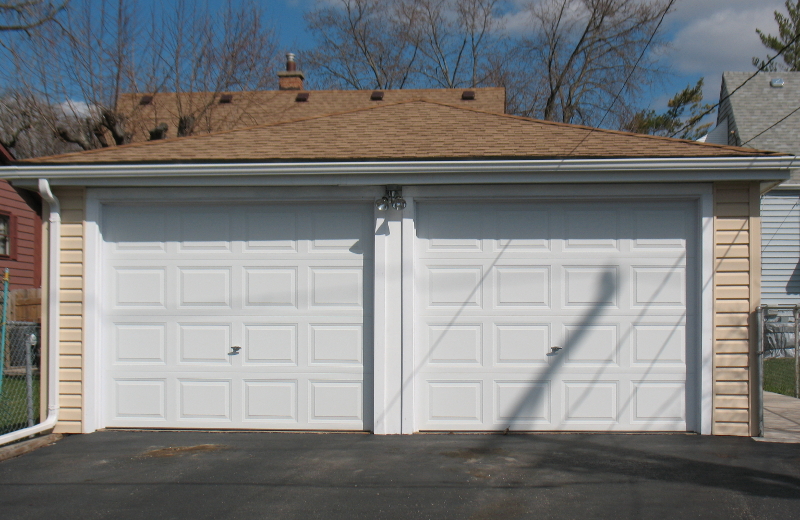
Understanding Wind Damage to Garage Doors
Before diving into the inspection process, its important to understand how wind can affect your garage door. High winds can cause misalignment, dent panels, or even completely unhinge the door from its tracks. Such damage can compromise the security of your home and lead to costly repairs if not addressed promptly.
Initial Visual Inspection
Start by performing a visual inspection of your garage door. Look for obvious signs of damage such as dents, cracks, or misaligned tracks. Pay close attention to the areas where the door meets the frame and the ground, as these are common points of impact.
Check for Structural Integrity
Ensure that the door itself is still structurally sound. This includes checking for any warping or bending in the panels. If the door appears to be sagging or not sitting level, further inspection may be necessary.
Inspect the Door Tracks
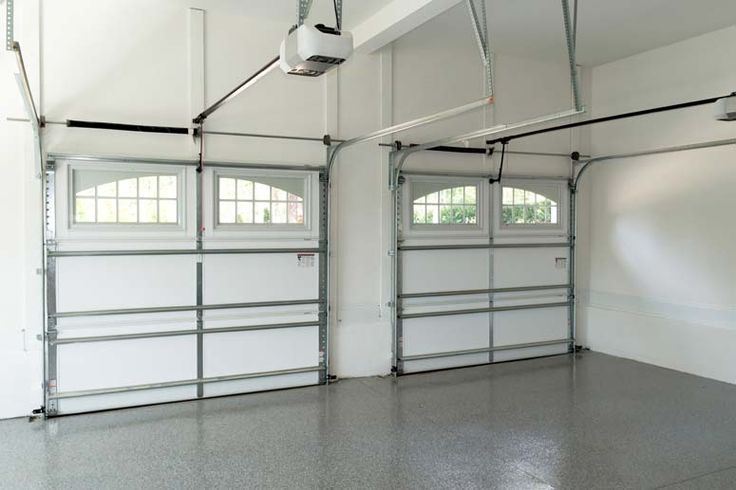
Examine the tracks on either side of the door. These should be straight and securely fastened to the wall. Wind damage can cause the tracks to bend or come loose, which can lead to the door getting stuck or derailing completely.
Testing the Door Operation
After a visual inspection, test the functionality of your garage door. Open and close the door several times to ensure it operates smoothly. Listen for unusual noises such as grinding or squeaking, which can indicate underlying issues with the doors mechanics.
Check the Springs and Cables
The springs and cables play a crucial role in the operation of your garage door. Inspect these components for any signs of wear or damage. If you notice any fraying or rust, it may be time to replace these parts.
Assess the Door Balance
A balanced garage door should stay in place when partially open. If your door shows signs of imbalance, it could indicate problems with the springs or tracks. This issue should be addressed by a professional to prevent further damage.
Addressing Minor Damage
If your inspection reveals minor damage, such as small dents or scratches, you may be able to address these issues yourself. For instance, you can use a rubber mallet to gently tap out dents or apply a fresh coat of paint to cover scratches.
When to Call a Professional
For more significant damage, or if youre unsure about performing repairs yourself, its best to call a professional. Experts can assess the extent of the damage and recommend the best course of action. They can also ensure that any repairs are done safely and effectively.
Preventive Measures for Future Storms
Once your garage door is back in working order, consider taking steps to prevent future wind damage. Reinforcing the door with braces, installing wind-resistant garage doors, or adding storm panels can provide additional protection.
Regular Maintenance Tips
Regular maintenance is key to extending the life of your garage door. This includes lubricating moving parts, tightening loose bolts, and ensuring the door is properly balanced. For more detailed guidance, you can refer to this garage corrosion check guide.
Conclusion
Conducting a garage door inspection after wind damage is an essential step in maintaining the safety and security of your home. By following the steps outlined in this guide, you can identify and address potential issues before they become major problems. Remember, when in doubt, always consult with a professional to ensure the best outcome for your garage door.
FAQs
1. How often should I inspect my garage door?
Its recommended to inspect your garage door at least twice a year and after any severe weather events.
2. Can I repair garage door damage myself?
Minor repairs, like fixing small dents, can be done yourself. However, for major issues, its best to consult a professional.
3. What are the signs of a damaged garage door?
Common signs include unusual noises, difficulty operating, and visible damage to the panels or tracks. For more information, check this garage bearings check guide.
This article contains affiliate links. We may earn a commission at no extra cost to you.