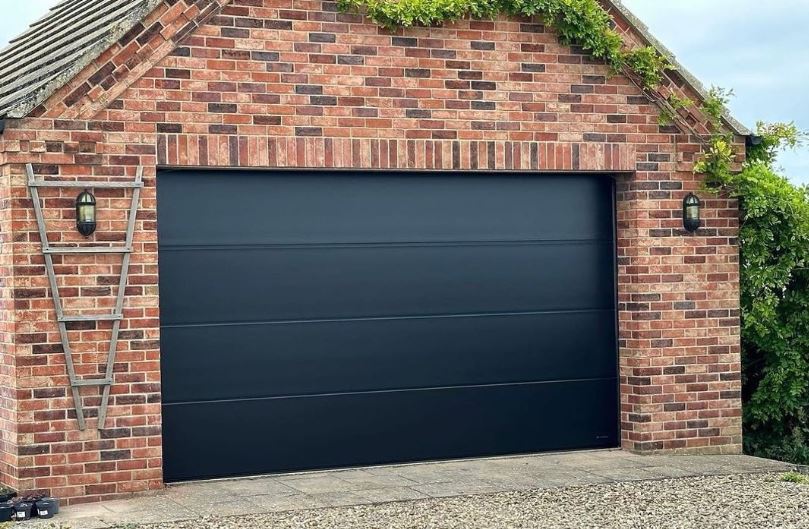
Ensuring that your garage door is in optimal working condition is crucial for the safety and security of your home. Regular garage door inspections help in identifying potential problems early, thus preventing costly repairs or replacements. In this article, we will delve into the best practices for garage door inspections, offering homeowners a comprehensive guide to maintaining their garage doors effectively.
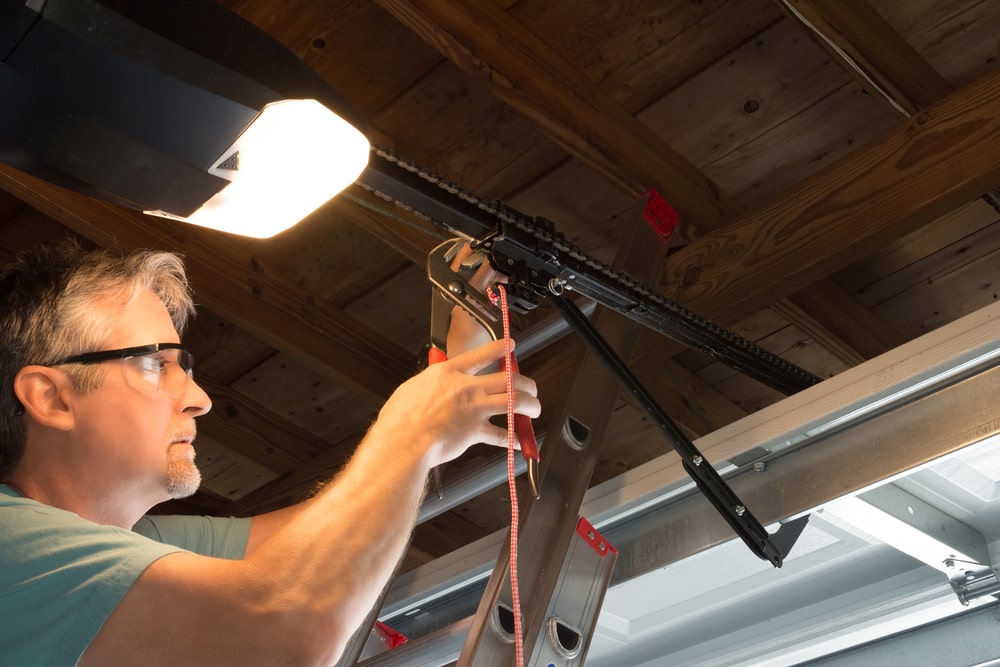
Why Regular Inspections Are Important
Regular garage door inspections are vital because they help in extending the lifespan of your garage door. By conducting routine checks, you can spot minor issues before they escalate into major problems. Additionally, a well-maintained garage door ensures the safety of your family and property. For more on this, you can read about the importance of garage door inspections in various climates.
Preparing for a Garage Door Inspection
Gathering Necessary Tools
Before starting your inspection, ensure you have the necessary tools at hand. These may include a flashlight, a wrench, a screwdriver, and lubricant for moving parts. Having these tools ready will make the inspection process smoother and more efficient.
Safety Precautions
Always prioritize safety during your inspection. Make sure the garage door is unplugged, and the remote control is out of reach to prevent accidental operation. Wearing safety glasses and gloves can also protect you from potential injuries.
Step-by-Step Garage Door Inspection
Checking the Door Balance
An imbalanced garage door can put undue strain on the opener, leading to premature wear and tear. To check the balance, disconnect the opener and manually lift the door halfway. If it stays in place, it is properly balanced. If it falls or rises, it may require adjustment.
Inspecting the Tracks
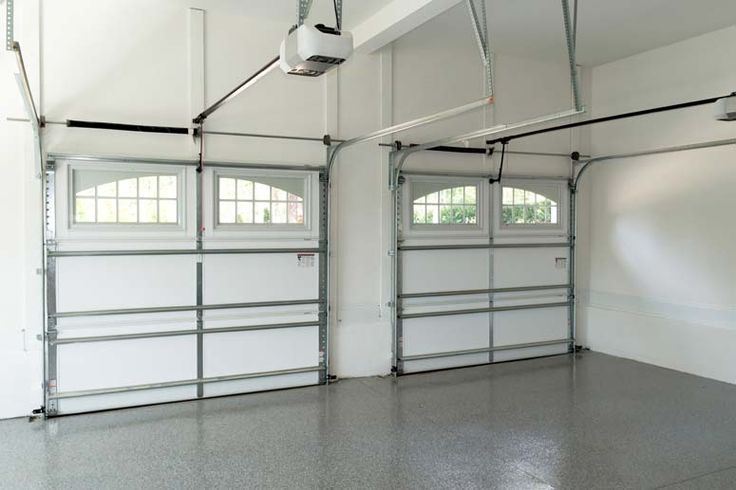
Ensure that the tracks on both sides of the door are free from debris and properly aligned. Misaligned tracks can cause the door to jam or operate inefficiently. Learn more about checking for track corrosion and how it impacts your door’s functionality here.
Examining Springs and Cables
Garage door springs and cables are under high tension and should be inspected carefully. Look for signs of wear or damage, such as rust, fraying, or gaps. Damaged springs or cables require immediate professional attention to prevent accidents.
Lubricating Moving Parts
Regular lubrication of moving parts such as rollers, hinges, and tracks is essential for smooth operation. Use a silicone-based lubricant to reduce friction and prevent rust. Avoid using grease as it can attract dirt and debris.
Testing the Safety Features
Auto-Reverse Mechanism
The auto-reverse feature is a critical safety mechanism that prevents the door from closing if an object is detected in its path. Test this feature by placing a small object under the door and attempting to close it. The door should automatically reverse when it touches the object.
Photo-Electric Sensors
Ensure that the sensors on either side of the door are aligned and free from obstructions. Misaligned or dirty sensors can cause the door to malfunction. Regular cleaning and alignment checks are recommended.
When to Call a Professional
While routine inspections can be done by homeowners, certain issues require professional expertise. If you notice significant damage, unusual noises, or difficulty operating the door, it’s best to contact a professional garage door service. For a detailed guide on when to seek professional help, visit this checklist.
FAQs on Garage Door Inspection
How often should I inspect my garage door?
It is recommended to inspect your garage door at least twice a year, preferably before extreme weather conditions.
Can I perform maintenance tasks on my own?
Yes, basic maintenance tasks such as lubrication and cleaning can be done by homeowners. However, more complex repairs should be handled by professionals.
What are the signs that my garage door needs repair?
Common signs include strange noises, slow response times, and visible damage to components. If you notice any of these, consider inspecting your garage door pulley system and other parts.
In conclusion, regular garage door inspections are essential for maintaining the safety and efficiency of your garage door. By following these best practices, homeowners can ensure their doors remain in top condition, providing peace of mind and security for their homes.
This article contains affiliate links. We may earn a commission at no extra cost to you.