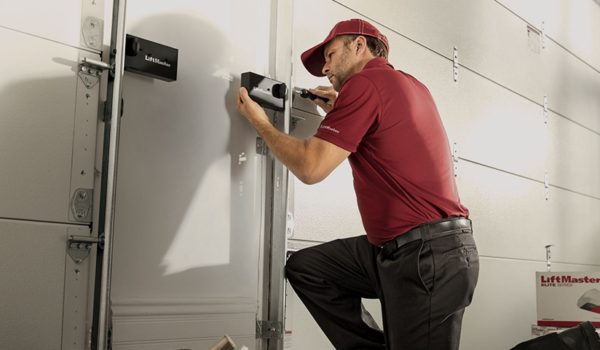
Maintaining your garage door is essential for ensuring it operates smoothly and safely. While many homeowners take the time to check their doors, there are garage door inspection common mistakes that can lead to problems down the line. Understanding these mistakes and how to avoid them is crucial for keeping your garage door in top condition.
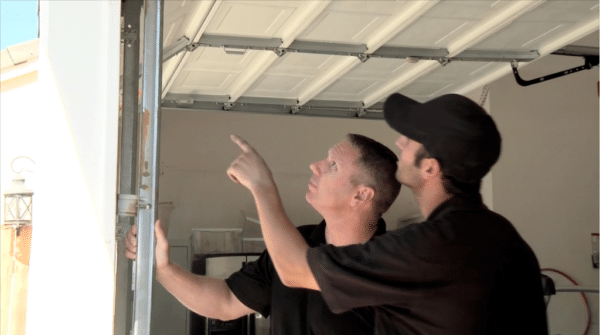
Why Regular Inspection is Important
Regular inspection of your garage door is vital. It helps in identifying issues before they become major problems. This not only saves you money but also ensures the safety of your family. A faulty garage door can pose significant risks, from trapping fingers to failing to open or close properly.
Ignoring Noise During Operation
One of the most common mistakes is ignoring unusual noises. A noisy door can indicate various issues, from loose parts to worn-out components. It’s important to listen to your garage door and address any unusual sounds immediately.
Overlooking Rust and Corrosion
Rust and corrosion are silent destroyers of garage doors. Many homeowners fail to notice these until it’s too late. Regularly check for signs of rust, especially if you live in a humid area. Check for corrosion to prevent long-term damage.
Neglecting the Weather Seals
The weather seals at the bottom of the garage door play a crucial role in keeping out water, pests, and debris. Failure to inspect these seals can lead to water damage and increased energy bills. Ensure the seals are intact and replace them if they show signs of wear.
Failure to Test the Auto-Reverse Feature
The auto-reverse feature is a key safety component of modern garage doors. Not testing it regularly can be a grave mistake. Place an object in the door’s path to ensure it reverses upon contact, which can prevent accidents and injuries.
Ignoring the Springs and Cables
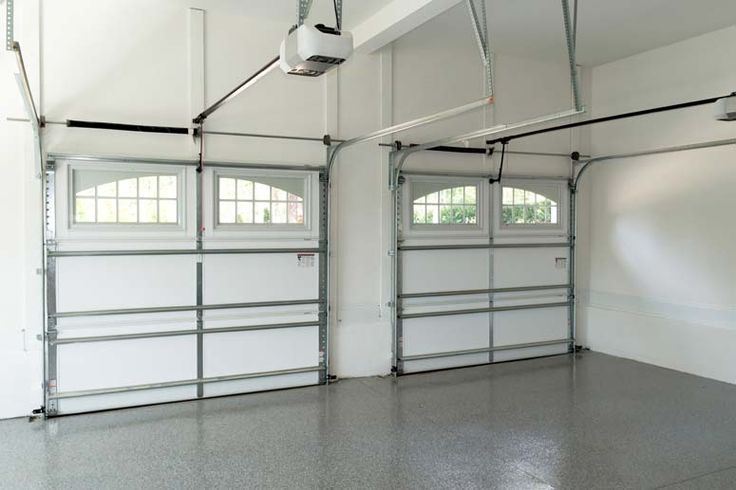
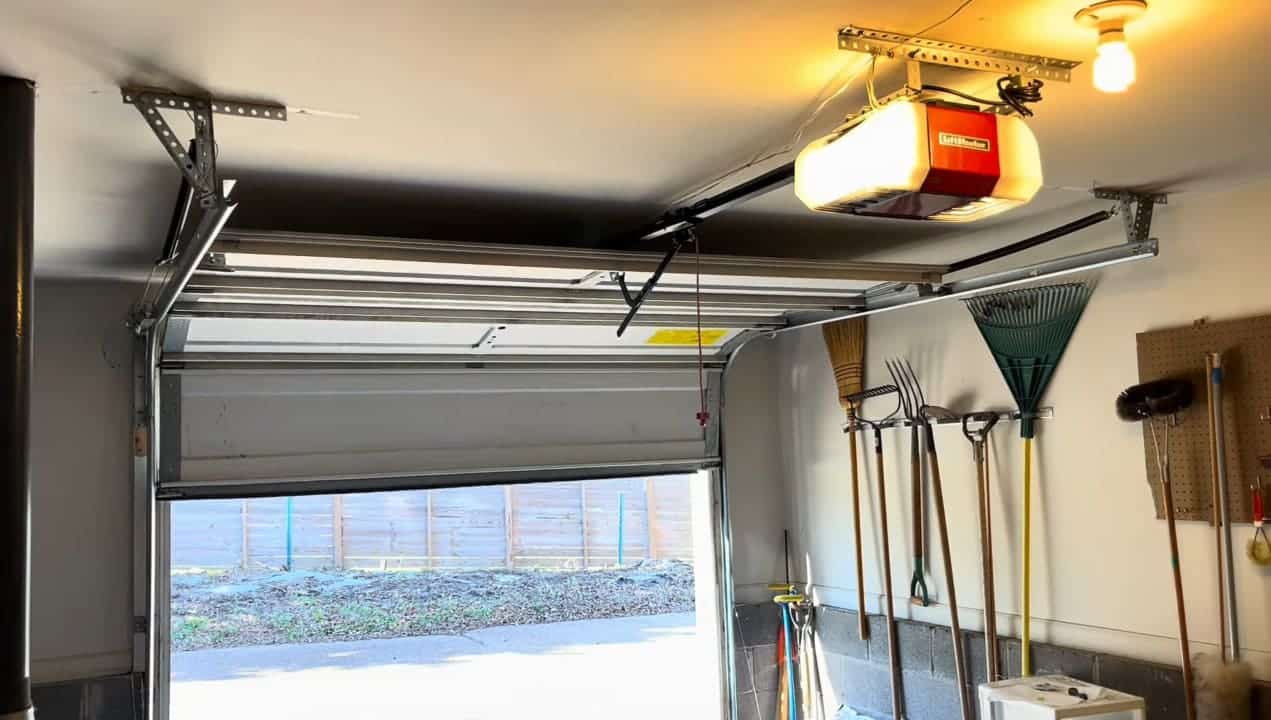
Springs and cables are critical to the door’s operation, but they are often overlooked. Inspect them for signs of wear or damage. If these components fail, they can cause the door to malfunction, potentially leading to injury.
Skipping Professional Inspections
While DIY inspections are beneficial, professional inspections are crucial for spotting issues you might miss. Experts can provide a thorough checkup, ensuring your garage door functions optimally. Consider scheduling an inspection before vacation to ensure peace of mind.
Not Checking the Balance
A balanced garage door is crucial for smooth operation. To check the balance, disconnect the opener and manually lift the door. If it doesn’t stay open, the balance may be off, which can strain the opener and cause it to fail.
Overlooking Safety Sensors
Safety sensors prevent the door from closing on objects or people. Ensure they are clean and aligned. Misaligned or dirty sensors can cause the door to malfunction, posing a safety risk.
Lack of Lubrication
Lubrication is vital for the smooth operation of moving parts. Failing to lubricate the door components can lead to increased friction and wear. Use a silicone-based lubricant for the best results.
Conclusion
Avoiding garage door inspection common mistakes requires vigilance and regular maintenance. By paying attention to the signs of wear and tear and seeking professional help when needed, you can ensure your garage door remains safe and functional.
FAQs
What should I look for during a garage door inspection?
During an inspection, check for noise, rust, the condition of springs and cables, the auto-reverse feature, and the alignment of safety sensors. Regular maintenance can prevent many common issues.
How often should I inspect my garage door?
It’s advisable to inspect your garage door at least twice a year. Regular inspections help identify potential problems early, ensuring the door’s longevity and safety.
Can I perform a garage door inspection myself?
Yes, you can perform basic inspections yourself. However, for a comprehensive check, it’s best to hire a professional. They have the expertise to identify issues you might overlook.
For more tips on garage door maintenance, visit this external resource.
This article contains affiliate links. We may earn a commission at no extra cost to you.