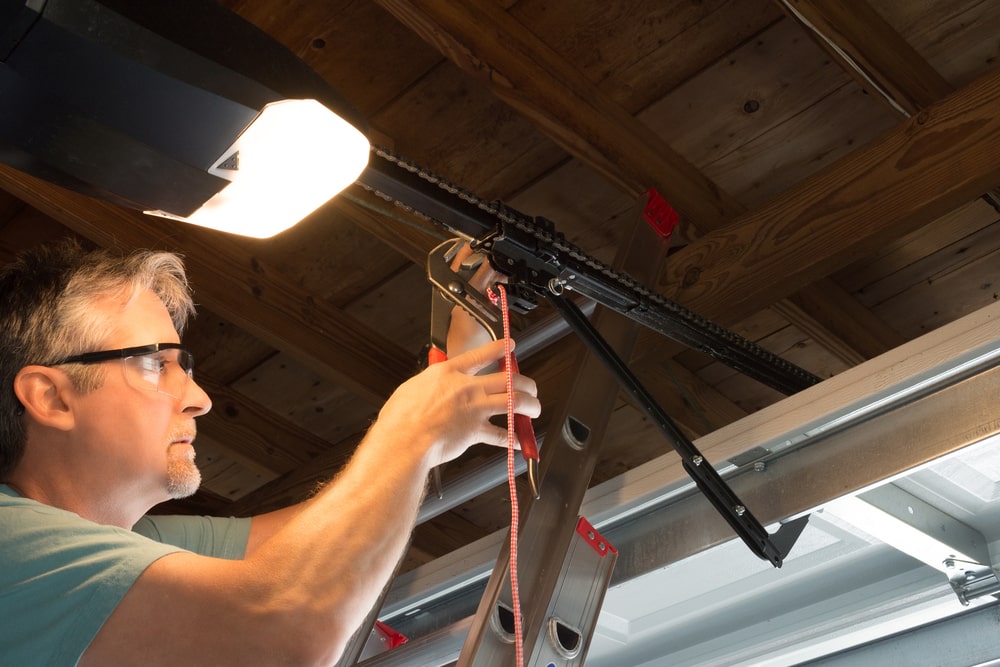
When buying a home, conducting a thorough inspection is crucial. One often overlooked aspect is the garage door inspection during home inspection. This element is critical for ensuring the safety and functionality of your new home. In this guide, we will explore the steps and importance of inspecting garage doors during a home inspection.
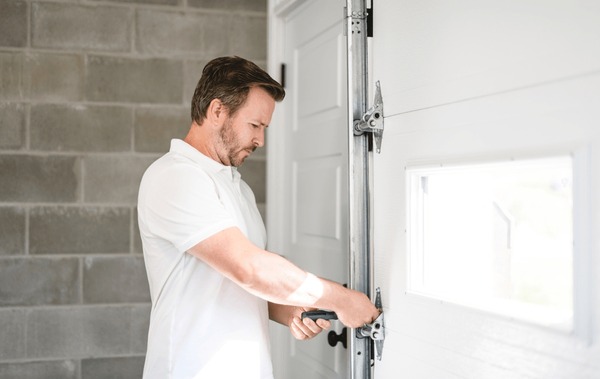
The Importance of Garage Door Inspections
Garage doors are an integral part of any home, providing security and convenience. Regular inspections can prevent unforeseen issues and ensure the longevity of the door mechanism. During a home inspection, it’s essential to include a detailed check of the garage door to identify potential problems early on.
What to Look for During a Garage Door Inspection
1. Visual Inspection
The first step in a garage door inspection is a visual check. Look for any signs of wear and tear, such as rust, cracks, or dents. Ensure that the door panels are in good condition and that all components are intact.
2. Operational Test
Test the garage door’s operation. It should open and close smoothly without any unusual noises. Check whether the door reverses when it encounters an obstacle. This is a safety feature that prevents accidents.
3. Inspecting the Garage Door Opener
The garage door opener is a vital component. Check the remote control and wall switch for proper functioning. Ensure that the openers motor is running smoothly and quietly.
Common Issues Found During Inspections
1. Worn-Out Springs
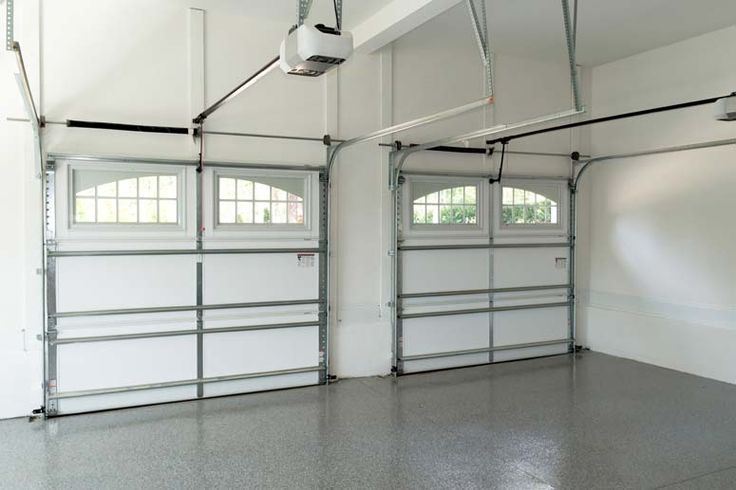
Springs are crucial for the door’s balance and movement. Look for signs of wear or breakage. Replacing worn-out springs can prevent further damage to the door mechanism.
2. Misaligned Tracks
Ensure that the tracks are aligned and securely fastened. Misaligned tracks can cause the door to malfunction, leading to more significant issues over time.
3. Corrosion and Rust
Rust can weaken the structural integrity of the garage door. Inspect all metal parts for signs of corrosion. Regular maintenance can help prevent rust from spreading.
Benefits of Regular Garage Door Inspections
Regular inspections can save homeowners from costly repairs and ensure the safety of their family. A well-maintained garage door can also improve the home’s energy efficiency, as it helps maintain the indoor temperature by sealing the garage properly.
Professional vs. DIY Inspections
While homeowners can conduct basic inspections, hiring a professional is recommended for a comprehensive evaluation. Professionals have the expertise to identify potential issues that may not be apparent to an untrained eye.
Conclusion
Incorporating a garage door inspection during home inspection is a crucial step in ensuring the safety and functionality of your home. By following the steps outlined in this guide, homeowners can maintain their garage doors effectively and prevent costly repairs.
FAQs
1. How often should a garage door be inspected?
It’s recommended to inspect your garage door at least once a year. However, if you notice any issues, it’s best to address them immediately.
2. Can I perform a garage door inspection myself?
Yes, you can perform basic inspections yourself. However, for a thorough check, it’s advisable to hire a professional.
3. What are the signs of a failing garage door?
Signs of a failing garage door include unusual noises, slow operation, and visible wear on parts like springs and cables.
For more detailed information, you can visit this external resource on the benefits of regular garage door inspections.
Additionally, check out this guide for hot climates or learn about checking for corrosion before your next inspection.
This article contains affiliate links. We may earn a commission at no extra cost to you.