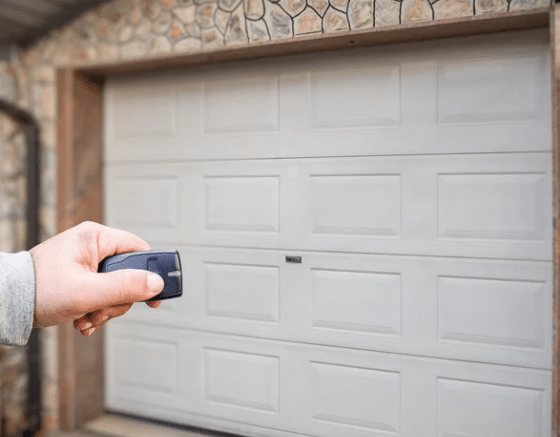
As a homeowner, ensuring that your garage door is in top-notch condition is crucial. One of the key components of a seamless garage door operation is its backup battery. Conducting regular garage door inspections for backup battery issues can prevent unexpected malfunctions and enhance the longevity of your garage system. In this guide, we’ll walk you through the essentials of inspecting your garage door’s backup battery, ensuring that your home remains safe and functional.
Why Inspect Your Garage Door’s Backup Battery?
A backup battery is essential for your garage door opener, especially during power outages. It ensures that you can access your garage without disruption. Regular inspections help identify potential issues, ensuring that the backup battery operates effectively when needed. Additionally, a well-maintained battery can save you from emergency repairs and increase the overall lifespan of your garage door opener.
Signs Your Backup Battery Needs Inspection
1. Slow Door Operation
If you notice your garage door opening slower than usual, it might be time to check the backup battery. A weak battery can affect the efficiency of the door’s operation.
2. Battery Indicator Warning
Most modern garage door openers come with a battery indicator. If you see a warning light, it’s a clear sign that your battery needs inspection.
3. Frequent Power Outages
If your area experiences frequent power outages, it’s advisable to inspect your backup battery more often to ensure it’s in good condition.
Steps to Inspect Your Garage Door’s Backup Battery
1. Disconnect the Power
Before starting the inspection, ensure that the garage door opener is disconnected from the power source. This step is crucial for safety.
2. Locate the Battery
Most backup batteries are located inside the garage door opener unit. Refer to the manufacturer’s manual to locate it easily.
3. Check the Battery’s Condition
Inspect the battery for any visible damage, corrosion, or leaks. If you notice any of these, it might be time for a replacement.
4. Test the Battery
Use a multimeter to test the battery’s voltage. A healthy battery should have a voltage reading close to its rated value. If the reading is significantly lower, consider replacing the battery.
Maintenance Tips for Your Backup Battery
1. Regular Testing
Test your backup battery every three to six months to ensure it’s functioning correctly.
2. Keep It Clean
Ensure that the battery and its compartment remain clean and free from dust. Dust can cause overheating and reduce battery efficiency.
3. Replacement
Most backup batteries last between 3 to 5 years. Mark your calendar to replace it within this timeframe to avoid unexpected failures.
When to Call a Professional
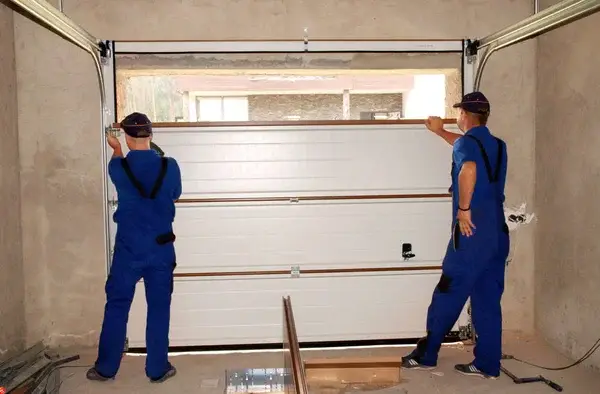
While DIY inspections are beneficial, there are times when you might need professional assistance. If you’re unsure about the battery’s condition or notice persistent issues, it’s best to consult a professional. They can provide a comprehensive inspection and suggest solutions tailored to your garage door system.
For more detailed guidance on garage door inspections, you can visit this external resource.
Conclusion
Regular garage door inspections for backup battery issues are essential for maintaining the safety and efficiency of your home. By following the steps outlined in this guide, homeowners can ensure their garage doors operate smoothly, even during power outages. Remember, a well-maintained backup battery is a small investment for the peace of mind it provides.
FAQ
1. How often should I inspect my garage door’s backup battery?
It’s recommended to inspect the backup battery every three to six months to ensure optimal performance.
2. What are the signs of a failing backup battery?
Signs include slow door operation, a battery indicator warning, and frequent power outages affecting door functionality.
3. Can I replace the backup battery myself?
Yes, you can replace the battery yourself by following the manufacturer’s instructions. However, if unsure, consult a professional.
For more insights on garage door inspections, consider visiting Garage Door Insurance Inspection and Garage Door Hot Climates.
This article contains affiliate links. We may earn a commission at no extra cost to you.