Having a well-functioning garage door is crucial for the safety and security of your home. One common issue that homeowners face is bent tracks in their garage doors. Conducting a regular garage door inspection for bent tracks can save you time, money, and keep your garage door working smoothly.
In this article, we will delve into the importance of inspecting your garage door for bent tracks, how to identify problems, and provide you with practical steps on how to address them effectively. It’s important to understand how this simple inspection can prevent major issues down the road, ensuring the longevity and safety of your garage door system.
Why Inspect Your Garage Door for Bent Tracks?
Garage door tracks guide the door as it opens and closes. Over time, these tracks can become bent due to various reasons, such as accidental impact or wear and tear. A bent track can hinder the movement of the door, leading to more serious problems if not addressed promptly.
Regular inspections help in identifying these issues early on, allowing for timely repairs. This proactive approach not only ensures the door operates smoothly but also extends its lifespan, preventing costly repairs in the future.
Signs of Bent Tracks
Being aware of the signs of bent tracks is the first step in maintaining your garage door. Look out for the following indicators:
- Uneven Movement: If the door appears crooked or moves unevenly when operating, it could be due to bent tracks.
- Strange Noises: Unusual grinding or squeaking sounds when the door operates may suggest misalignment in the tracks.
- Gaps Between Rollers and Tracks: Visible gaps indicate that the tracks are not aligned correctly.
Conducting a Thorough Inspection
To inspect your garage door for bent tracks, follow these steps:
Step 1: Disconnect the Garage Door Opener
Start by disconnecting the automatic opener to ensure the door won’t move unexpectedly during the inspection. This step is crucial for safety.
Step 2: Examine the Tracks
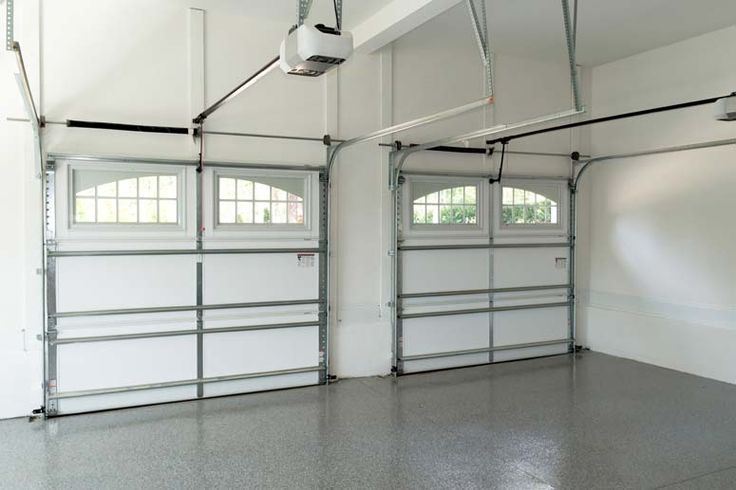
Check both the vertical and horizontal tracks for any signs of bending or damage. Use a level to ensure they are straight and aligned correctly.
Step 3: Inspect Rollers and Hinges
Inspect the rollers and hinges for wear and tear. Any damage here can affect the alignment of the tracks.
Step 4: Look for Loose Hardware
Check all bolts and screws, ensuring they are tight and secure. Loose hardware can cause the tracks to become misaligned.
How to Fix Bent Tracks
If you notice bent tracks, follow these steps to fix them:
Step 1: Loosen the Bolts
Loosen the bolts holding the tracks in place, allowing for slight movement during adjustments.
Step 2: Realign the Tracks
Gently adjust the tracks until they are straight and aligned. Use a rubber mallet if necessary to correct minor bends.
Step 3: Tighten the Bolts
Once the tracks are properly aligned, tighten the bolts securely.
Preventative Measures
To prevent tracks from bending, consider these preventative measures:
- Regular Maintenance: Conduct regular maintenance checks to ensure all components are in good condition.
- Safe Driving: Be cautious when driving in and out of the garage to avoid accidental impacts.
- Professional Inspections: Schedule periodic inspections by a professional to catch issues early.
When to Call a Professional
While some issues can be handled with DIY methods, there are times when professional assistance is necessary:
Severe Damage
If the tracks are severely bent or damaged, it’s best to seek professional help to avoid further damage.
Lack of Tools
Attempting repairs without the right tools can result in further damage or injury.
External Tips for Garage Door Maintenance
For additional tips on maintaining your garage door, check out this useful guide. It offers valuable insights into keeping your door in top condition.
Conclusion
Regular garage door inspections for bent tracks are vital for the safety and efficiency of your garage door system. By identifying and addressing issues early on, you can prevent more severe problems and extend the life of your garage door. Remember, while some repairs can be done yourself, don’t hesitate to call a professional when necessary.

FAQs
What causes garage door tracks to bend?
Garage door tracks can bend due to impact, poor maintenance, or wear and tear over time.
Can I fix bent tracks myself?
Minor bends can often be fixed with DIY methods, but severe damage should be handled by a professional.
How often should I inspect my garage door?
It’s recommended to inspect your garage door every six months to ensure everything is in good working order.
This article contains affiliate links. We may earn a commission at no extra cost to you.