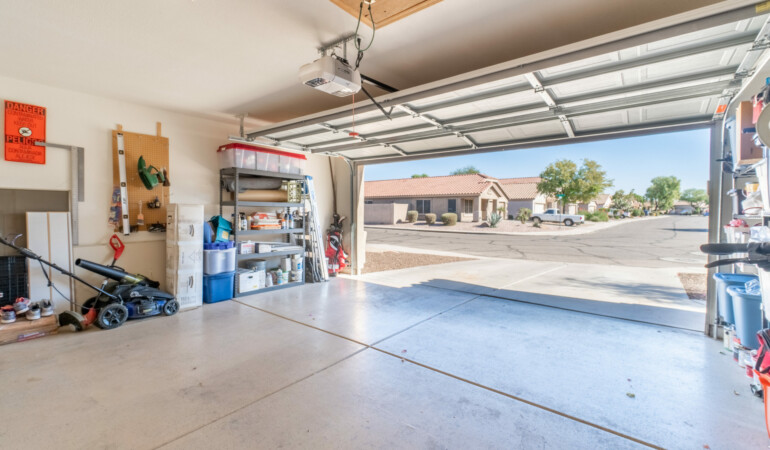
As a homeowner, ensuring the safety and functionality of your garage door is paramount. One critical aspect of this is conducting a thorough garage door inspection for broken springs. Not only do these springs play a vital role in the operation of your garage door, but they also bear the weight and tension necessary to open and close it smoothly.
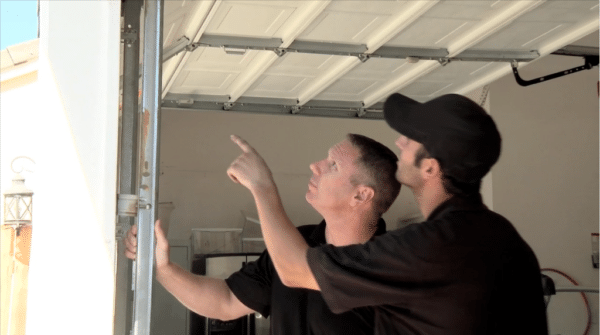
Understanding the Importance of Garage Door Springs
Garage door springs are the unsung heroes of your garage door system. They are responsible for counterbalancing the weight of the door, making it easy to lift manually or with a garage door opener. Without them, your door would be incredibly heavy and difficult to operate.
Types of Garage Door Springs
There are primarily two types of garage door springs: torsion springs and extension springs. Understanding the differences between these can help in identifying potential issues during an inspection.
Torsion Springs
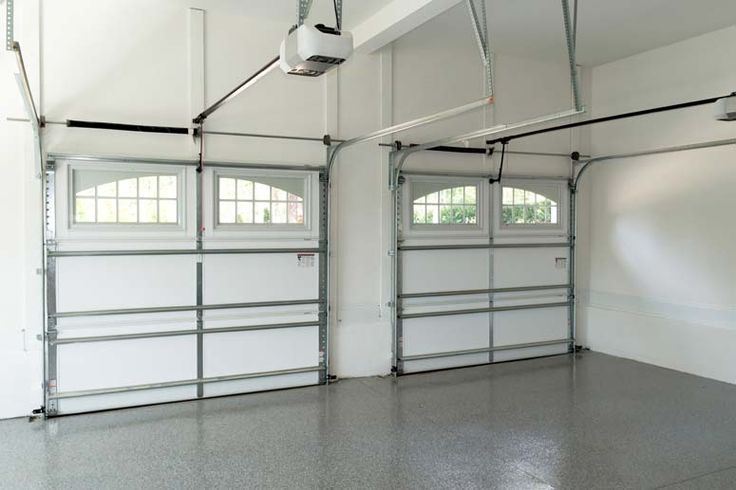
Torsion springs are mounted horizontally above the garage door opening. They use torque to lift the door, providing a smoother operation. These springs are known for their durability and are commonly used in modern garage doors.
Extension Springs
Extension springs are found on either side of the door and stretch to provide the necessary force to open it. While they are less expensive, they tend to wear out faster and require more frequent inspections.
Signs of Broken Garage Door Springs
Recognizing the signs of broken springs can save you from costly repairs and potential safety hazards. Here are some common indicators:
- The garage door is difficult to open or close.
- There is a gap in the springs.
- You hear loud noises during operation.
- The door appears crooked or unbalanced.
Conducting a Garage Door Inspection
Performing a garage door inspection for broken springs is a task that requires attention to detail. Heres a step-by-step guide to help you through the process.
Step 1: Visual Inspection
Start by visually inspecting the springs for any signs of wear and tear, such as rust, gaps, or breaks. If you notice any significant damage, its time to consider a replacement.
Step 2: Listen for Unusual Sounds
Operate the garage door and listen for any unusual sounds like creaking or banging, which could indicate spring problems.
Step 3: Test the Balance
Disconnect the opener and manually lift the door halfway. If it stays in place, the springs are likely in good condition. If it falls, the springs may be weak or broken.
Step 4: Check the Spring Tension
If you have torsion springs, check the tension by gently pulling on the cable attached to the bottom bracket. There should be some resistance, but it shouldnt be too tight or loose.
When to Call a Professional
While some homeowners may feel comfortable performing a basic inspection, certain situations require the expertise of a professional. If you notice any severe damage or are unsure of your findings, its best to consult a professional garage door technician. You can learn more about what to expect during a professional inspection at Uplift Garage.
Preventive Maintenance Tips
Regular maintenance can prolong the life of your garage door springs and prevent unexpected failures. Here are some preventive measures to consider:
- Lubricate the springs and other moving parts regularly.
- Inspect the springs every six months.
- Replace worn-out springs immediately.
- Keep the garage door balanced.
DIY vs. Professional Inspection
Deciding between a DIY inspection and hiring a professional can be challenging. While DIY inspections are cost-effective, they may not be as thorough as a professional service. Consider your comfort level and the condition of your garage door when making this decision.
For more detailed guidance on inspecting garage doors, check out this guide on inspecting steel garage doors.
Common Misconceptions About Garage Door Springs
There are several misconceptions about garage door springs that can lead to improper maintenance:
- All springs are the same: In reality, different springs suit different door types and weights.
- Springs last forever: Springs have a finite lifespan and will eventually need replacement.
- DIY fixes are always safe: Handling springs can be dangerous without the proper knowledge and tools.
The Role of Weather in Spring Wear and Tear
Weather conditions can significantly affect the lifespan of your garage door springs. Extreme temperatures and humidity can cause them to wear out faster. Regular inspections can help mitigate weather-related damage.
Check out this post-storm garage door inspection guide for more insights.
Cost of Replacing Broken Springs
The cost of replacing broken springs varies based on the type of spring and whether you opt for a DIY or professional replacement. On average, homeowners can expect to spend between $100 and $300 for professional replacement services.
Safety Precautions During Inspection
Safety should always be a priority during a garage door inspection for broken springs. Here are some precautions to take:
- Wear protective gloves and eyewear.
- Ensure the garage door is fully closed before starting the inspection.
- Keep children and pets away from the garage during the process.
Conclusion: Ensuring Longevity and Safety
Regular garage door inspection for broken springs not only ensures the longevity of your garage door system but also enhances the safety of your home. By staying vigilant and addressing issues promptly, you can avoid costly repairs and potential injuries.
For more signs that you might need a garage door inspection, refer to this helpful guide.
FAQs
How often should I inspect my garage door springs?
It’s advisable to inspect your garage door springs at least twice a year to ensure they are in good condition and functioning properly.
Can I replace garage door springs myself?
While some homeowners may attempt a DIY replacement, it is generally recommended to hire a professional due to the risks involved.
What should I do if I find a broken spring?
If you discover a broken spring, stop using the garage door immediately and contact a professional technician to assess and repair the issue.
This article contains affiliate links. We may earn a commission at no extra cost to you.