When it comes to maintaining a safe and efficient home, conducting a regular garage door inspection for chain tension problems is crucial. This not only ensures the longevity of your garage door but also safeguards your family and belongings. Homeowners often overlook this aspect of garage door maintenance, yet it’s one of the most important tasks to prevent unexpected breakdowns.

Why Inspecting Chain Tension is Essential
The chain tension in your garage door opener affects how smoothly and quietly your garage door operates. Over time, chains can become loose or overly tight, leading to operational issues or even damage to the door mechanism. Regular inspection helps identify these problems early, preventing costly repairs.
How to Perform a Basic Inspection
Conducting a garage door inspection for chain tension problems is something most homeowners can do themselves with a bit of guidance. Start by disconnecting the power to the garage door opener to ensure safety. Look for any visible signs of wear and tear on the chain. Use a ruler or measuring tape to check the sag of the chain ideally, it should sag about 1/2 inch.
Signs of Improper Chain Tension
If your garage door is making unusual noises, or if it jerks or stalls during operation, these could be signs of improper chain tension. Visual inspection might reveal rust, kinks, or other damage to the chain.
Adjusting Chain Tension
To adjust the chain tension, use the adjustment bolt that’s typically located near the garage door opener. Turn it clockwise to tighten the chain or counterclockwise to loosen it. Ensure you make small adjustments, checking the door’s operation after each tweak.
When to Call a Professional
While many garage door inspection tasks can be done by homeowners, it’s important to know when to call in a professional. If you’re unsure about any step in the process or if the door behaves unpredictably, consult a professional. Services like Uplift Garage offer professional inspections that can save you time and stress.
Tools Needed for Inspection
Before starting your inspection, gather necessary tools like a wrench, ruler, ladder, and safety goggles. Having the right tools makes the process smoother and safer.
Safety Precautions
Safety should always be a priority during a garage door inspection. Ensure the garage door is not operational during the inspection and keep hands clear of moving parts. Use a sturdy ladder and wear protective gear like gloves and safety goggles.
Understanding Your Garage Door System
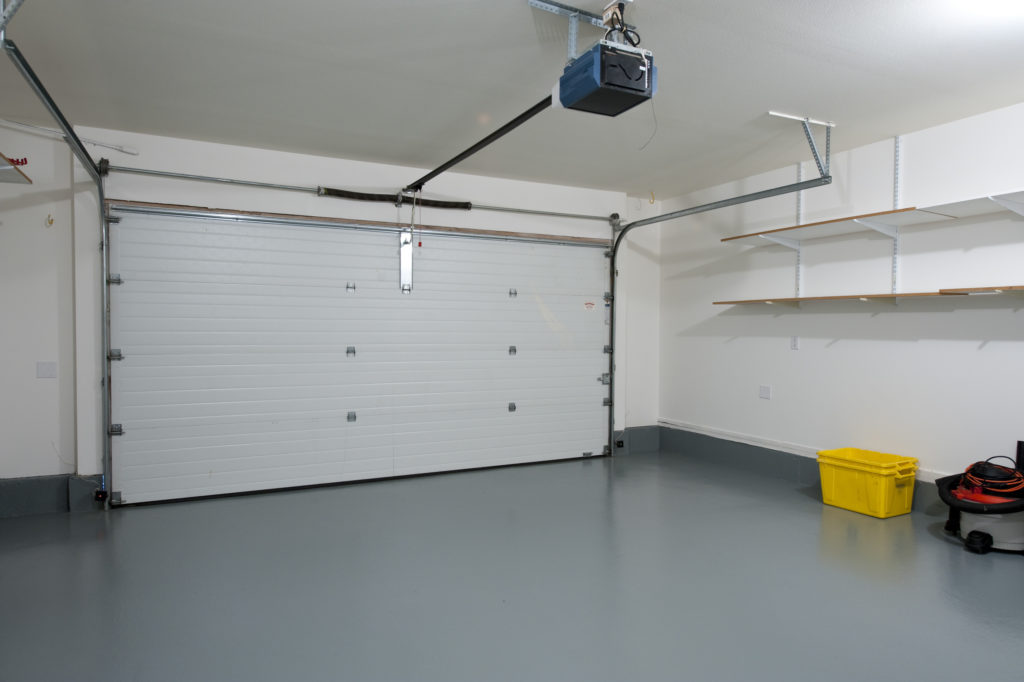
Familiarize yourself with the different components of your garage door system, including the motor, track, rollers, and chain. Understanding how these parts work together can help you diagnose issues more efficiently.
Maintenance Tips
Regular lubrication of the chain and other moving parts can prevent wear and tear. Use a lubricant designed for garage door components to ensure smooth operation.
Common Mistakes to Avoid
One common mistake during a garage door inspection is over-tightening the chain. This can lead to excessive wear on the motor and other components. Always follow the manufacturers guidelines for tension adjustments.
Documenting Inspections
Keep a record of all inspections and maintenance activities. This documentation can be valuable if you need to claim warranty or insurance in the future.
Seasonal Considerations
Different seasons can affect the performance of your garage door. For instance, colder temperatures might cause the chain to contract, requiring an adjustment. Regular inspections can help you adapt to these changes.

FAQs
How often should I inspect the chain tension?
It’s advisable to conduct a garage door inspection at least twice a year, or more frequently if you notice any signs of trouble.
Can I perform the inspection myself?
Yes, basic inspections can be done by homeowners, but for complex issues, professional help is recommended.
What other garage door issues should I look for?
In addition to chain tension, check for broken hinges and other common issues during your inspection.
For more tips on garage door inspection, visit this guide.
This article contains affiliate links. We may earn a commission at no extra cost to you.