Having a garage door that won’t close can be a major inconvenience. This situation not only disrupts your daily activities but can also pose security risks. A proper garage door inspection for doors that won’t close is essential in identifying and resolving the issue swiftly. Whether you’re a seasoned DIYer or a homeowner looking to understand more about your garage door system, this guide will walk you through the steps to take.

Why is My Garage Door Not Closing?
Before diving into the inspection process, it’s crucial to understand why your garage door might not be closing. Several factors could be at play, including:
1. Sensor Problems
The sensors are responsible for detecting objects in the path of the garage door. If they are misaligned or blocked, the door won’t close. Ensure these sensors are clean and properly aligned.
2. Obstructions in the Doorway
Check for any physical objects or debris blocking the path of the garage door. Even small objects can prevent the door from closing.
3. Broken Springs
Springs do the heavy lifting for your garage door. If a spring is broken, the door might not close properly.
4. Track Misalignment
A misaligned track can lead to the door becoming stuck or refusing to close. This requires a careful garage door inspection to identify and fix the issue.
Conducting a Garage Door Inspection
Garage door inspection for doors that won’t close is a systematic process. Heres how to conduct one effectively:
1. Safety First
Always prioritize safety. Disconnect the garage door opener and ensure no one operates the door while you’re inspecting it.
2. Inspect the Sensors
Ensure the sensors are clean and aligned. A quick cleaning with a damp cloth can often solve sensor-related issues.
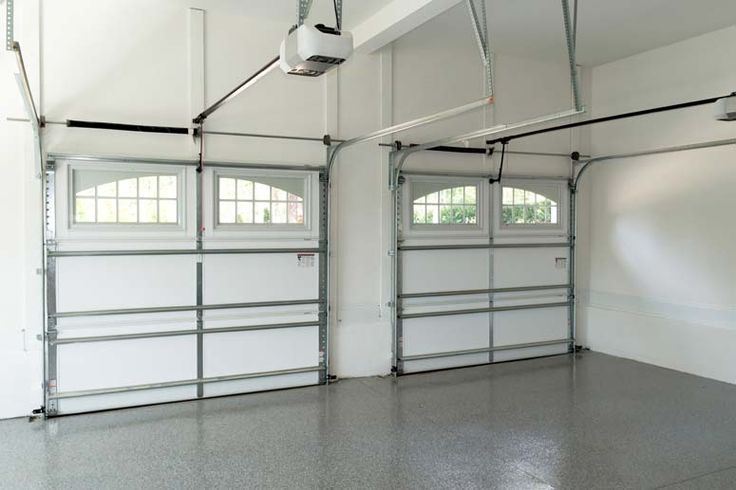
3. Check the Tracks
Look for any visible signs of damage or misalignment in the tracks. Gently tap the tracks back into position if necessary.
4. Examine the Springs
Carefully inspect the springs for any signs of wear or damage. Replacing broken springs should be left to professionals.
5. Test the Remote Control
Ensure the remote control is functioning correctly. Replace the batteries if needed and try again.
When to Call a Professional
While many garage door inspections can be handled by homeowners, certain issues require professional expertise. If youre dealing with complex problems like broken springs or severely misaligned tracks, its best to contact a professional garage door service.
For further detailed guidance on inspecting your garage door after specific events, such as after a storm, you can refer to this garage door inspection guide after storm.
Troubleshooting Tips
1. Resetting the Opener
Sometimes, resetting the garage door opener can resolve the problem. Follow the manufacturers instructions for a reset.
2. Adjusting the Limits
Garage door openers have limit settings that control how far the door closes. Adjusting these limits might solve your closing issues.
Preventive Maintenance
Routine garage door inspection and maintenance can prevent many common issues. Lubricate moving parts regularly, and keep the tracks clean.
For a comprehensive checklist on what to include in a garage door inspection, you can visit this garage door inspection checklist.

FAQs
1. How often should I perform a garage door inspection?
It’s recommended to perform a basic inspection every three months and a more thorough inspection annually.
2. Can I fix a broken spring myself?
Due to the tension in garage door springs, it’s best to have a professional handle spring replacements.
3. What should I do if the garage door reverses before closing?
Check the sensor alignment and the track for obstructions. For more help, you can read about garage door inspection for reversing doors.
By following this guide, homeowners can effectively troubleshoot and resolve issues with garage doors that won’t close. Remember, safety and regular maintenance are key to a long-lasting and functional garage door.
This article contains affiliate links. We may earn a commission at no extra cost to you.