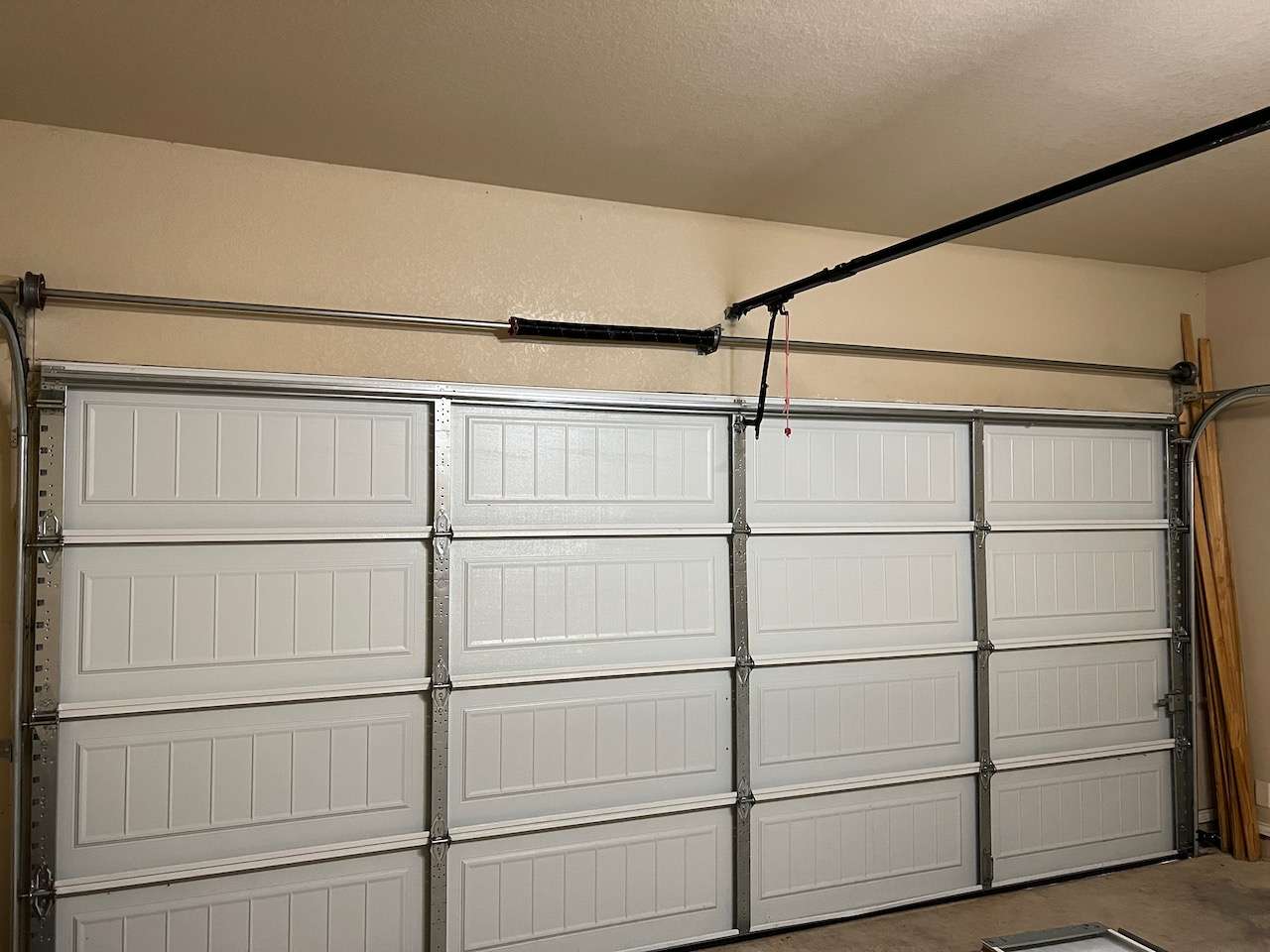
Maintaining a clean and well-functioning garage door is essential for homeowners. A critical aspect of this maintenance is conducting a thorough garage door inspection for excessive dirt. In this article, we will explore the importance of regular cleaning and inspection of your garage door, focusing on the impact of dirt build-up. Whether you are a seasoned homeowner or new to maintaining a property, these insights will help you keep your garage door in top condition.
Why Is Garage Door Inspection Important?
Your garage door is not just an entryway; it plays a significant role in the security, insulation, and aesthetics of your home. Regular garage door inspections ensure that your door operates smoothly and safely. Ignoring the accumulation of dirt can lead to a range of problems, from mechanical issues to aesthetic concerns.
Signs Your Garage Door Needs Inspection
How do you know when it’s time to inspect your garage door for dirt? Here are some signs to look out for:
- Visible dirt and grime on the door’s surface
- Noisy operation or unusual sounds when opening or closing
- Difficulty in opening or closing the door smoothly
- Stains or discoloration on the door panels
- Rust or corrosion on metal parts
Tools Needed for a Thorough Inspection
Before diving into the inspection process, ensure you have the right tools on hand:
- Soft cloth or sponge
- Bristle brush
- Mild detergent or soap
- Bucket of warm water
- Lubricant for metal parts
- Safety gloves and goggles
Step-by-Step Guide to Inspecting Your Garage Door
1. Visual Inspection
Start with a visual inspection. Look for any visible dirt, stains, or damage on the door’s surface. Check for any misalignment in the tracks or panels. Make sure to inspect both sides of the door.
2. Clean the Surface
Use a soft cloth or sponge with mild detergent and warm water to clean the surface of the door. Avoid using abrasive cleaners that could damage the finish. Pay special attention to areas with heavy dirt build-up.
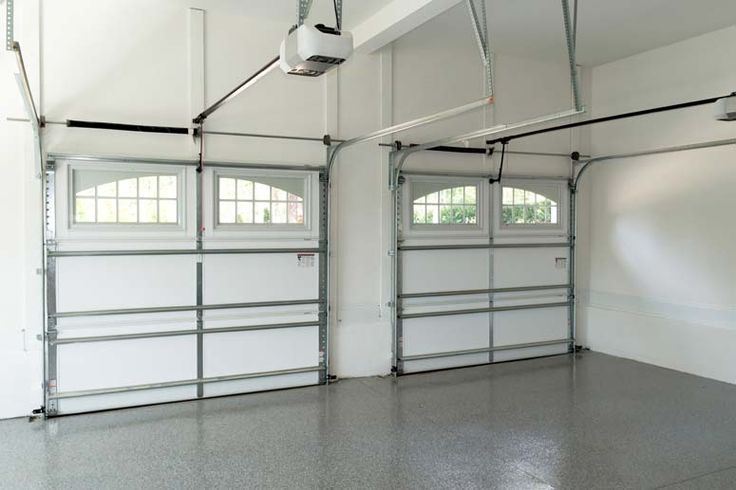
3. Inspect and Clean Tracks
The tracks guide the movement of the garage door. Use a bristle brush to remove any dirt or debris lodged in the tracks. A clean track ensures smooth operation and reduces wear and tear.
4. Check for Rust and Corrosion
Inspect all metal parts for signs of rust or corrosion. If you find any, use a rust remover and apply a protective lubricant to prevent further damage.
5. Lubricate Moving Parts
Lubrication is key to maintaining the smooth operation of your garage door. Lubricate the rollers, hinges, and springs with a high-quality lubricant specifically designed for garage doors.
6. Test the Door’s Balance
An imbalanced garage door can lead to mechanical failures. Disconnect the opener and manually lift the door halfway. If it stays in place, the balance is correct. If it falls, it may need adjustment by a professional.
Common Problems Caused by Excessive Dirt
Excessive dirt can lead to several issues:
- Increased friction and wear on moving parts
- Blockages in the tracks, causing misalignment
- Corrosion of metal components
- Reduced efficiency of the door’s insulation
- Unsightly appearance and potential damage to the door’s finish
Preventive Measures to Keep Your Garage Door Clean
To prevent excessive dirt build-up, consider these measures:
- Regularly clean the door and tracks
- Install weatherstripping to keep out dirt and debris
- Keep the area around the garage door clean and free of clutter
- Schedule regular professional inspections and maintenance
When to Call a Professional
While regular inspections and cleaning can be done by homeowners, certain issues require professional attention. If you notice significant mechanical problems, persistent noise, or difficulty operating the door, it’s time to call in the experts. Professional inspections can identify underlying issues that may not be visible to the untrained eye. For more information on what to expect during a professional inspection, visit Professional Garage Door Inspections.
Conclusion
Regular garage door inspection for excessive dirt is crucial for maintaining the functionality and appearance of your garage door. By following the steps outlined in this guide, you can ensure a clean, efficient, and long-lasting garage door. Don’t wait for problems to arise; take a proactive approach to maintenance and enjoy the peace of mind that comes with a well-maintained garage door.
FAQs
How often should I inspect my garage door for dirt?
It’s recommended to inspect your garage door at least twice a year. However, if you live in an area with high dust or pollution, more frequent inspections may be necessary.
Can I use any lubricant for my garage door?
No, it’s important to use a lubricant specifically designed for garage doors. These lubricants are formulated to withstand the conditions and requirements of garage door components.
What should I do if I find rust on my garage door?
If you find rust, remove it using a rust remover and apply a protective lubricant to prevent further corrosion. If the rust is extensive, consider consulting a professional for treatment and repair.
For more detailed tips on maintaining your garage door, check out our guide on checking garage door bearings and learn more about the garage door pulley system.
This article contains affiliate links. We may earn a commission at no extra cost to you.