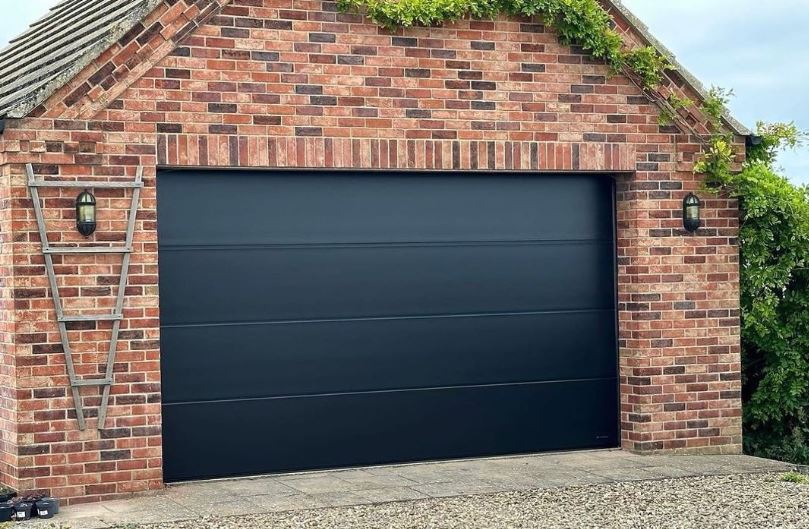
As a new homeowner, one of the crucial aspects of maintaining your property is ensuring that your garage door is in optimal condition. A thorough garage door inspection for first time homeowners is essential in preventing potential hazards and avoiding costly repairs. In this guide, we will walk you through the steps to effectively inspect your garage door, identify common issues, and maintain its functionality.
Understanding Your Garage Door System
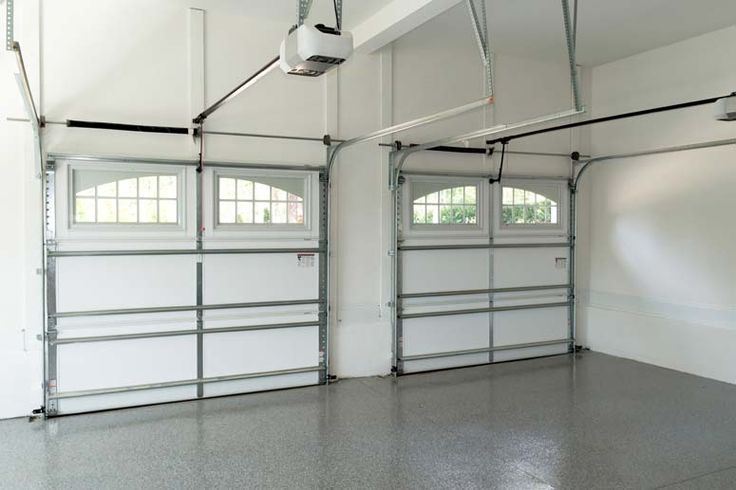
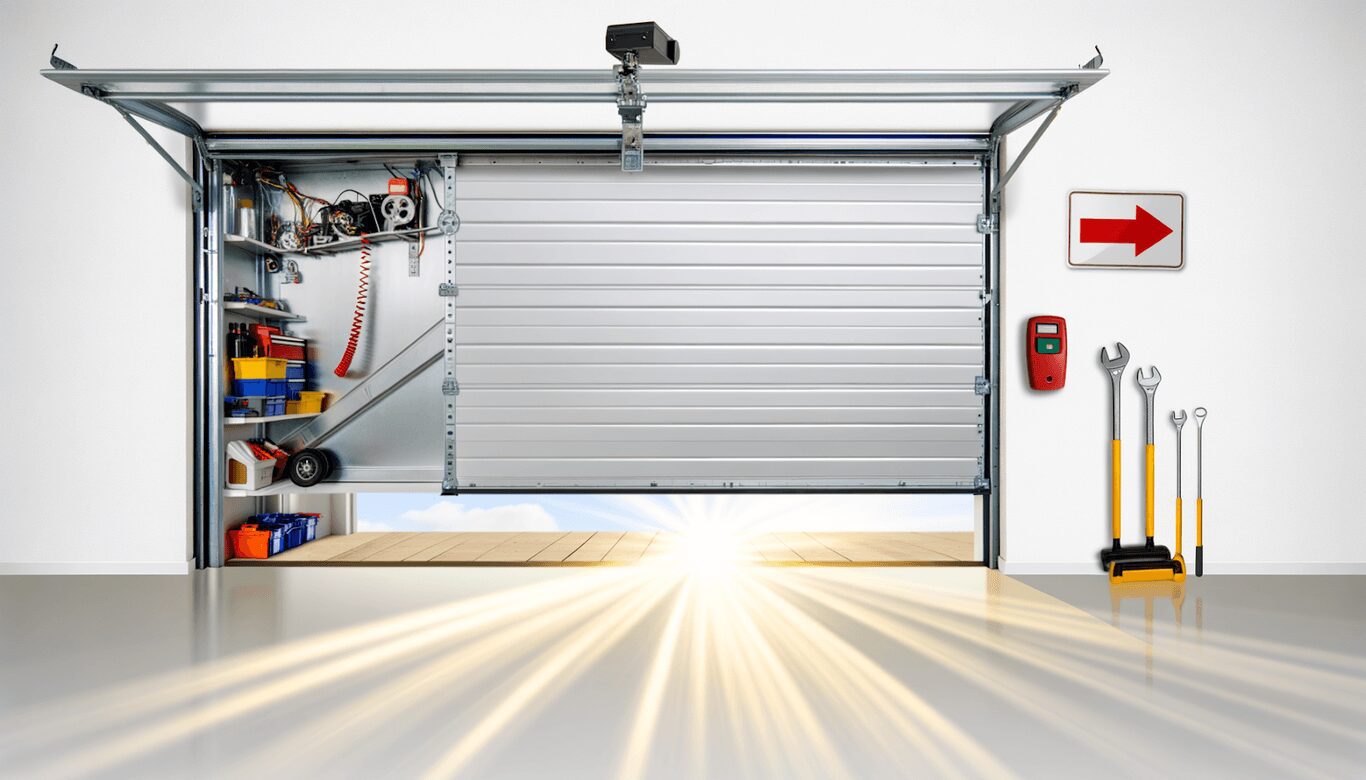
Before diving into the inspection process, it’s vital to familiarize yourself with the components of your garage door system. This knowledge will assist you in identifying any issues that may arise. A typical garage door system consists of the following components:
1. Garage Door Panels
The panels make up the main structure of the door. They can be made of wood, steel, aluminum, or fiberglass. Check for any visible damage, such as dents, cracks, or signs of wear.
2. Springs
The springs are responsible for counterbalancing the weight of the door, making it easier to open and close. There are two types: torsion springs and extension springs. Inspect these for any signs of rust or damage.
3. Tracks
The tracks guide the door as it moves up and down. Ensure they are free of debris and properly aligned.
4. Rollers
These small wheels run along the tracks, allowing the door to move smoothly. Check for wear and tear, and lubricate them if necessary.
5. Garage Door Opener
The opener is the motorized device that controls the opening and closing of the door. Test its functionality and ensure the remote control is working properly.
Conducting a Thorough Garage Door Inspection
1. Visual Inspection
Start by visually inspecting all components of the garage door system. Look for any signs of damage, such as frayed cables, bent tracks, or loose bolts.
2. Test the Balance
Disconnect the opener and manually lift the door halfway. If it stays in place, it is properly balanced. If it falls or rises, the balance needs adjustment.
3. Test Safety Features
Modern garage doors are equipped with safety features like auto-reverse mechanisms. Place an object in the door’s path while closing and ensure it reverses upon contact.
4. Listen for Unusual Noises
Operate the door and listen for any unusual noises, such as grinding or squeaking, which may indicate a problem with the rollers or tracks.
5. Check the Weatherstripping
The weatherstripping seals the gap between the door and the ground, preventing drafts and debris from entering your garage. Inspect for wear and replace if necessary.
Maintaining Your Garage Door
1. Regular Lubrication
Keep all moving parts, such as rollers and hinges, well-lubricated to ensure smooth operation. Use a silicone-based lubricant for best results.
2. Tighten Loose Hardware
Over time, vibration can loosen the hardware. Regularly check and tighten all nuts and bolts.
3. Clean the Tracks
Ensure the tracks are free of debris and dirt. Clean them regularly to prevent obstructions.
When to Call a Professional
While routine maintenance can be performed by homeowners, certain tasks require the expertise of a professional technician. If you notice significant damage to the springs or cables, or if the door is not operating correctly despite your efforts, contact a professional for assistance. You can find useful tips on inspection for hot climates or learn how to check for corrosion on your garage door.
Conclusion
Regular garage door inspections are crucial for maintaining the safety and longevity of your garage door. By following these guidelines, you can ensure that your garage door remains in excellent condition, providing convenience and security to your home. For more detailed inspection tips, refer to external resources such as the Garage Door Inspection Checklist by Zuper.
FAQ
1. How often should I inspect my garage door?
It’s recommended to perform a garage door inspection at least twice a year to ensure optimal performance.
2. Can I perform the inspection myself?
Yes, many aspects of the inspection can be done by homeowners. However, tasks involving springs or cables should be left to professionals.
3. What are the signs that my garage door needs repairs?
Common signs include unusual noises, slow operation, and difficulty in opening or closing. If you notice these, it’s time to call a professional. Learn more about inspecting the pulley system for better insights.
This article contains affiliate links. We may earn a commission at no extra cost to you.