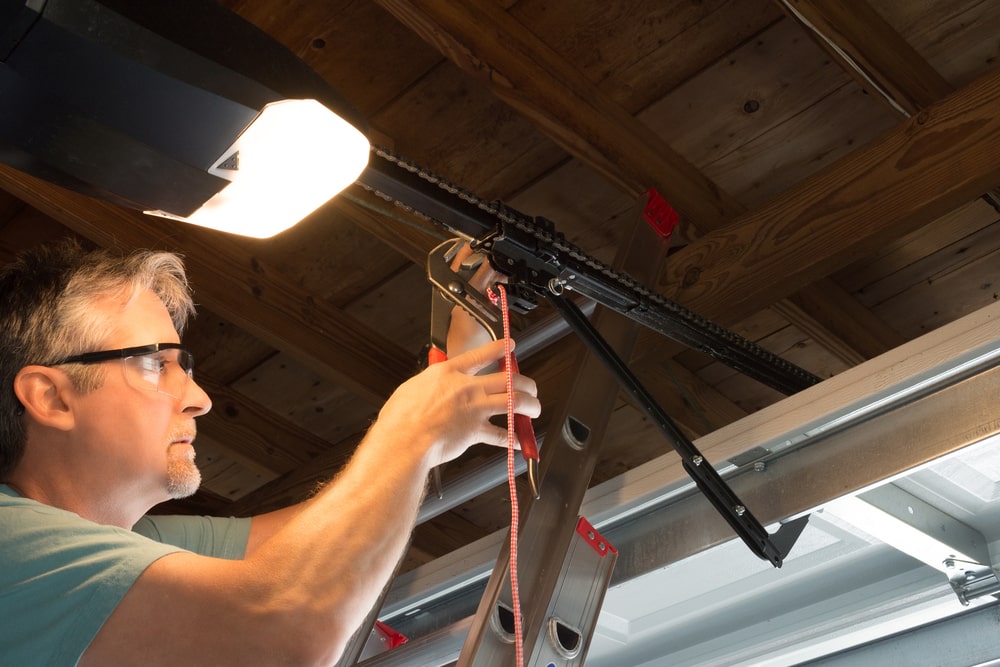
For many homeowners, the garage door is a crucial part of daily life. It offers convenience, security, and protection for your vehicles and belongings. However, when it starts making a grinding noise, it can be more than just an annoyance. Conducting a thorough garage door inspection for grinding noise is essential to ensure safety and longevity. This article will guide you through the inspection process to address the issue efficiently.
Understanding the Causes of Grinding Noise
The first step in tackling a grinding noise is understanding its root cause. The noise could stem from various issues such as worn-out parts, lack of lubrication, or misalignment. Identifying the cause will help in choosing the right solution.
Worn-Out Parts
Over time, parts of the garage door system can wear out. Pay close attention to the rollers, tracks, and hinges during your garage door inspection. Worn-out parts are a common culprit of grinding noises.
Lack of Lubrication
Lubrication is vital for smooth functioning. Without it, metal parts rub against each other, causing a grinding noise. Regularly lubricating your garage door can prevent this issue.
Steps to Inspect Your Garage Door
Visual Inspection
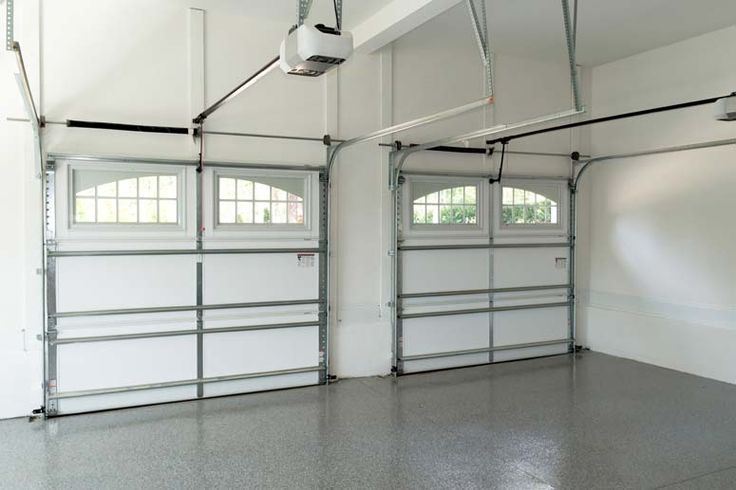
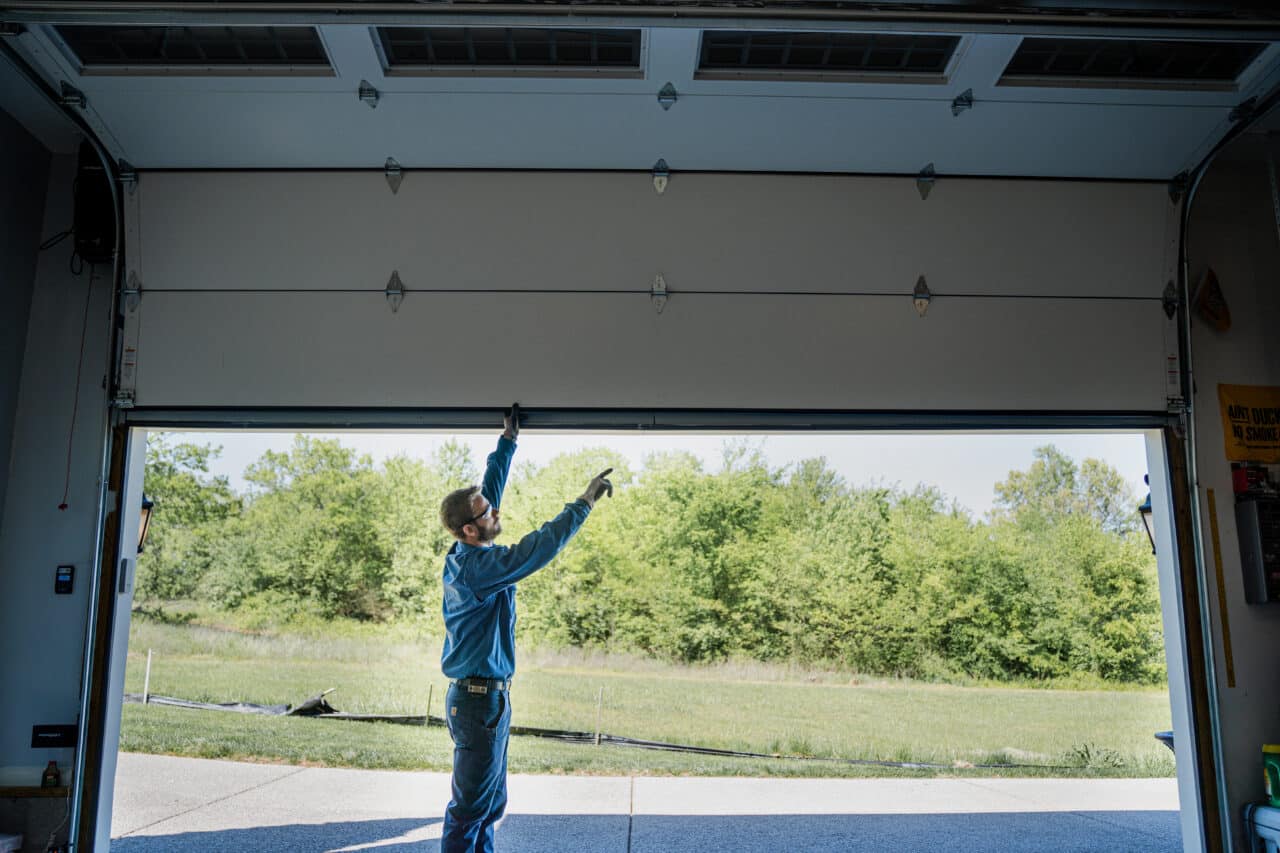
Begin with a visual inspection of the door and its components. Look for any visible damage or wear and tear. Pay special attention to the tracks, rollers, and springs.
Listen Carefully
Open and close the garage door while paying attention to the sounds it makes. This can help pinpoint where the grinding noise is coming from.
Check for Loose Hardware
Inspect all the nuts, bolts, and screws. Tighten any that appear loose to ensure they aren’t causing the noise.
Solutions to Common Issues
Once you’ve identified the source of the noise, the next step is to fix it. Heres how you can address some common issues:
Replacing Worn-Out Parts
If you’ve found worn-out components during your garage door inspection, replacing them is often the best solution. Ensure you use high-quality parts for replacements.
Lubricating Moving Parts
Apply a specialized garage door lubricant to all moving parts. This can significantly reduce or eliminate the grinding noise.
When to Call a Professional
While DIY solutions can be effective, there are times when professional help is necessary. If the source of the noise is unclear or if the door is malfunctioning, it’s best to contact a professional.
Visiting a professional for an inspection is crucial when dealing with complex issues. For more information on professional inspections, consider reading this [garage door inspection guide](https://www.abcdoors.com/blog/the-importance-of-regular-garage-door-inspections-and-tune-ups) here.
Preventive Measures
Preventive maintenance can save you from future headaches. Regularly scheduled garage door inspections can help catch issues early, keeping your door running smoothly.
Regular Maintenance
Set a maintenance schedule to inspect and lubricate your garage door. This will prolong its lifespan and reduce the likelihood of a grinding noise.
Professional Inspections
Consider annual professional inspections to ensure every component is in top condition. This can prevent costly repairs down the line.
For those in hot climates, specific considerations might be necessary. Learn more about it here.
Conclusion
A garage door inspection for grinding noise is an essential task for homeowners. By following the steps outlined above, you can identify and address the sources of noise, ensuring your garage door operates quietly and efficiently. Proactive maintenance and timely professional inspections will help maintain your garage door’s functionality and extend its life.
FAQ
Why is my garage door making a grinding noise?
Grinding noises often result from worn-out parts, lack of lubrication, or misalignment. Conduct a thorough inspection to identify the source of the noise.
Can I fix a grinding noise myself?
Yes, you can often resolve grinding noises through DIY methods such as lubricating moving parts or tightening loose hardware. However, if you’re unsure, it’s best to consult a professional.
How often should I inspect my garage door?
Regular inspections should be part of your maintenance routine. Consider scheduling professional inspections annually to catch any potential issues early.
This article contains affiliate links. We may earn a commission at no extra cost to you.