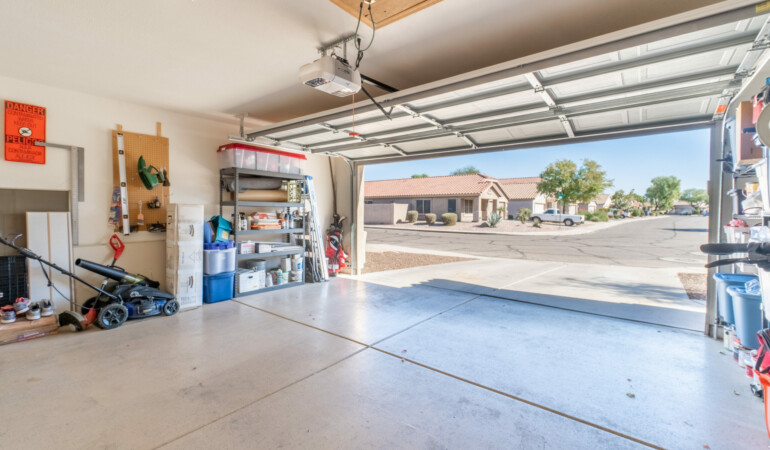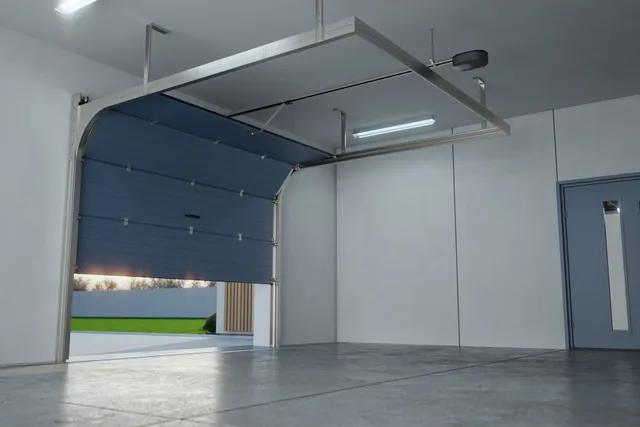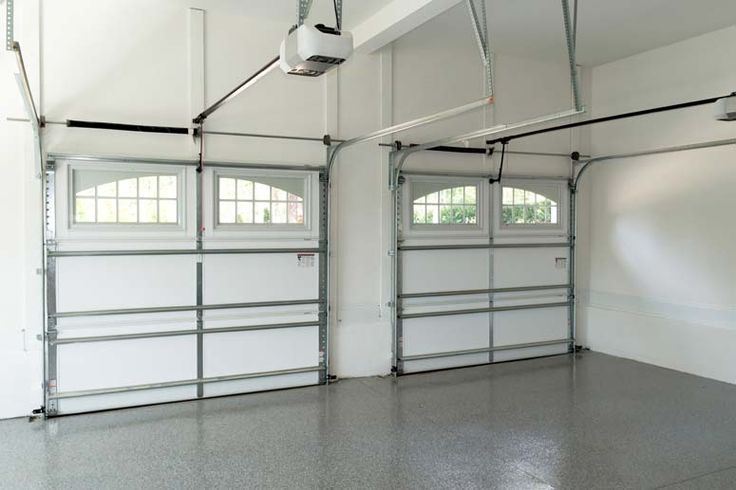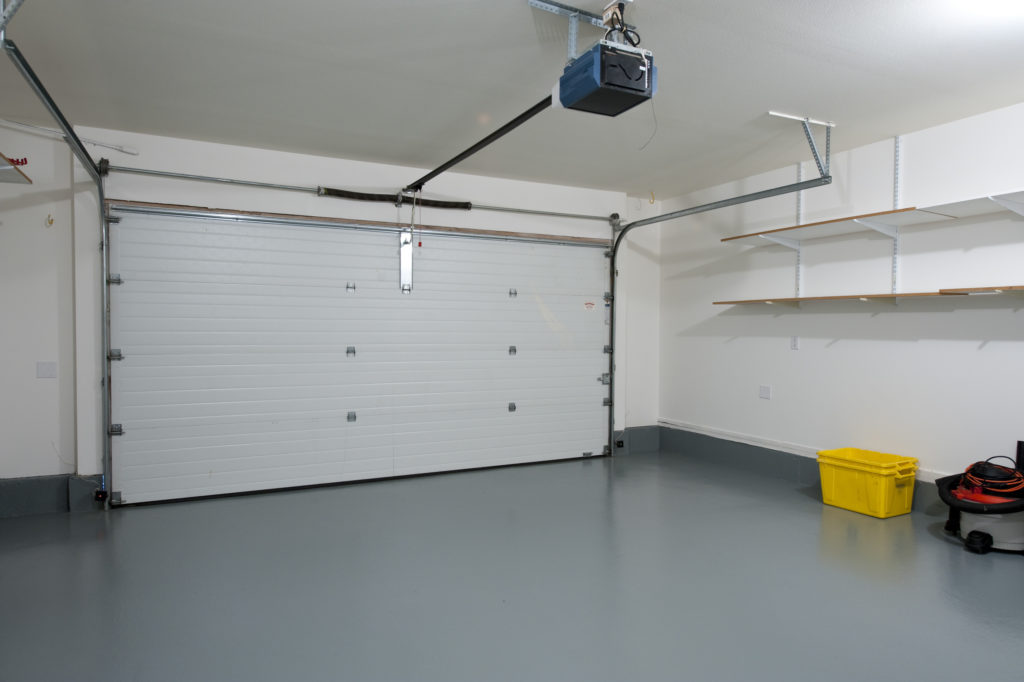
As a landlord, maintaining your property is crucial to ensuring tenant satisfaction and preserving the value of your investment. Among the many aspects of property maintenance, a garage door inspection for landlords is often overlooked yet immensely important. The garage door is not only a functional component but also a significant part of the home’s visual appeal and security. Regular inspections can prevent costly repairs and ensure the safety of your tenants.
In this comprehensive guide, we will delve into the critical aspects of garage door inspections for landlords, providing you with the knowledge to keep your property in top condition. We’ll explore the importance of regular inspections, key elements to focus on, and expert tips for maintaining your garage door. By the end of this article, you’ll be equipped with all the necessary information to conduct a thorough inspection.
Why Regular Garage Door Inspections Matter
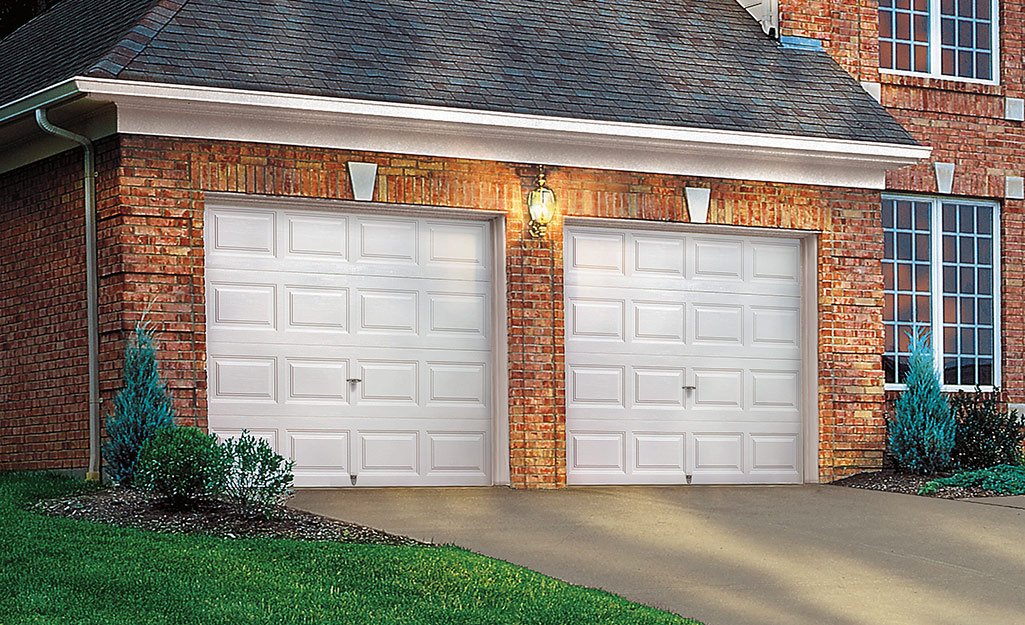
Regular garage door inspections are vital for several reasons. Firstly, they help identify potential issues before they escalate into costly repairs. Catching problems early can save landlords significant time and money. Secondly, a well-maintained garage door enhances the security of your property. It acts as a deterrent to potential intruders and ensures that tenants feel safe in their homes.
Moreover, regular inspections can prolong the lifespan of your garage door. By addressing wear and tear promptly, you can avoid the need for premature replacements. Lastly, a functional and aesthetically pleasing garage door contributes to the overall curb appeal of the property, making it more attractive to potential tenants.
Key Elements of a Garage Door Inspection
1. Visual Inspection
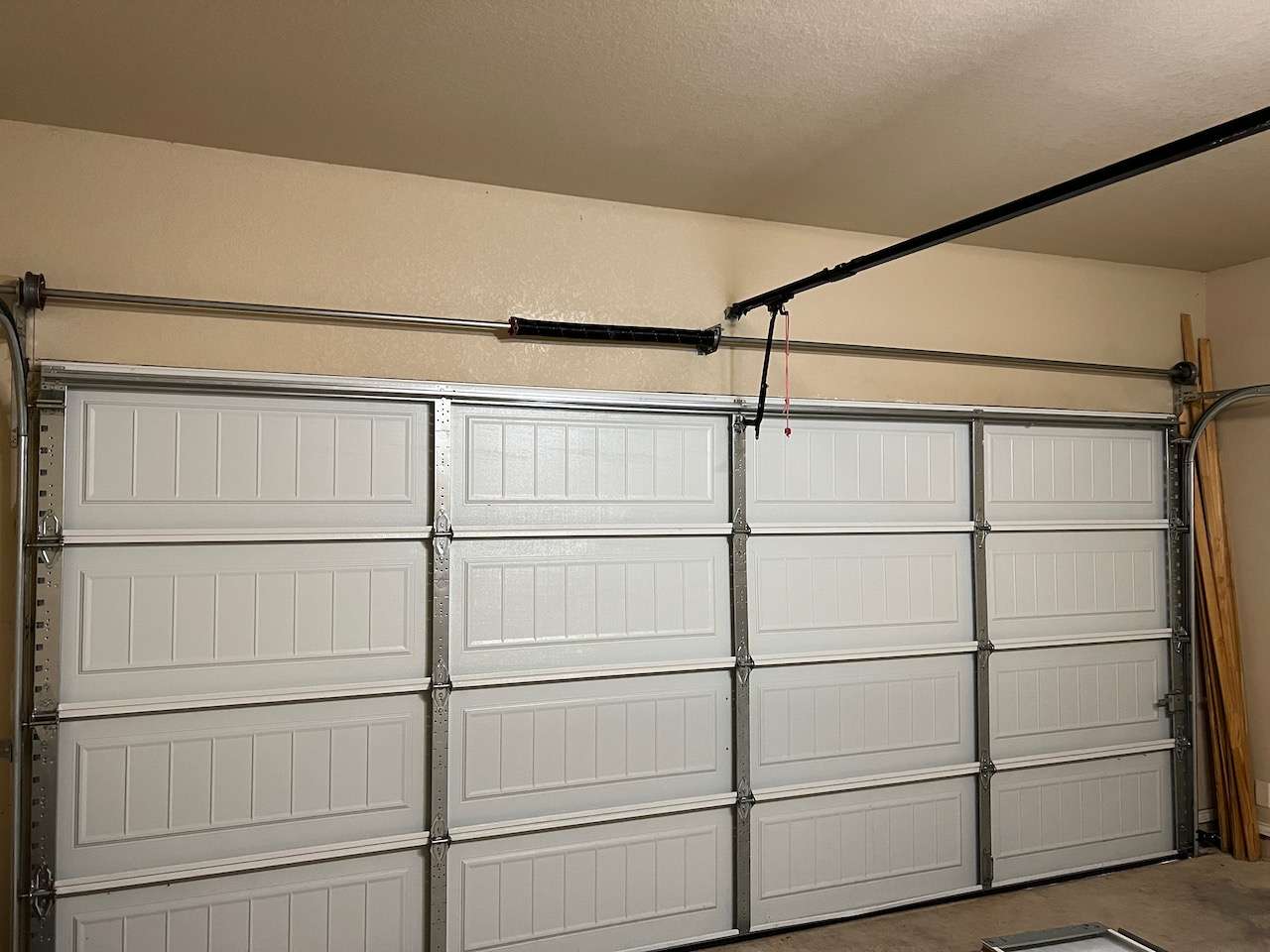
Begin with a thorough visual inspection of the garage door. Look for any obvious signs of damage, such as dents, rust, or chipped paint. Pay attention to the alignment of the door and ensure it sits evenly in its tracks. Check for any gaps or misalignments that could indicate structural issues.
2. Check the Garage Door Opener
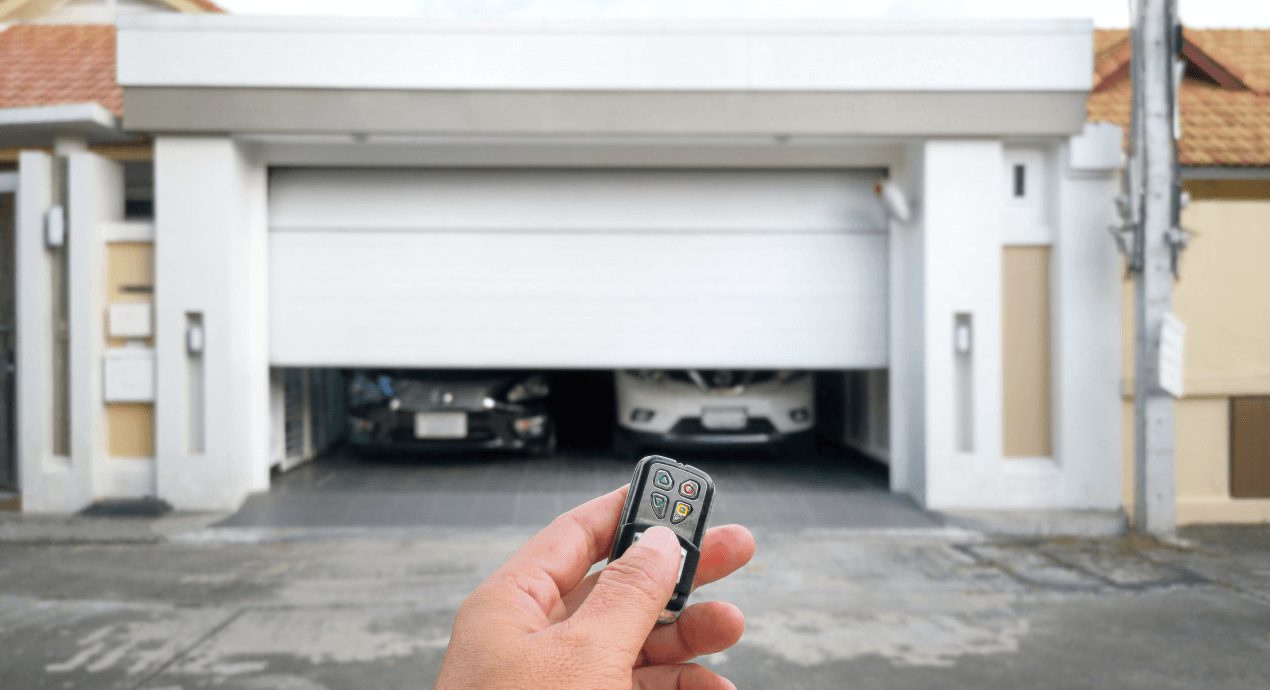
The garage door opener is a crucial component that should not be overlooked. Test the opener to ensure it operates smoothly and without unusual noises. If you notice any grinding or squeaking sounds, it may be a sign of worn-out parts that need attention.
3. Inspect Springs and Cables
The springs and cables are under high tension and are essential for the proper functioning of the garage door. Look for any signs of fraying or rust on the cables, and ensure that the springs are intact. If you notice any issues, its advisable to consult a professional, as these components can be dangerous to handle without proper knowledge.
Maintaining Your Garage Door
To keep your garage door in optimal condition, regular maintenance is key. Lubricate all moving parts, including rollers, hinges, and tracks, to prevent friction and wear. Regularly clean the door to remove dirt and debris that can accumulate over time. Additionally, ensure that the weatherstripping is intact to prevent drafts and water intrusion.
For more detailed tips on maintaining your garage door, you can visit this external resource.
When to Call a Professional
While many aspects of a garage door inspection can be performed by landlords, certain situations warrant professional assistance. If you encounter any issues with the springs, cables, or electrical components, it’s best to contact a qualified technician. Professional inspections can identify hidden problems and ensure that your garage door is safe and functional.
For more insights on when a professional inspection is necessary, check out this external link.
Common Garage Door Problems and Solutions
1. Noisy Garage Door
A noisy garage door can be a nuisance but is often an easy fix. Lubricating the moving parts can significantly reduce noise. If the noise persists, it may indicate worn-out rollers or hinges that need replacement.
2. Garage Door Won’t Close
If your garage door wont close properly, it could be due to misaligned sensors or an obstruction in the tracks. Check the sensors for any dirt or debris and ensure they are aligned correctly. If the problem continues, it may require professional attention.
3. Slow Response Time
A slow response time can be frustrating for tenants. This issue may arise due to problems with the garage door opener or worn-out springs. Regular maintenance and timely repairs can resolve this issue effectively.
Ensuring Tenant Safety
As a landlord, tenant safety should be a top priority. A malfunctioning garage door can pose serious risks, including the potential for accidents and injuries. Regular inspections and maintenance can prevent such incidents and ensure that your tenants feel secure in their homes.
Additionally, educate your tenants on the importance of reporting any issues with the garage door promptly. Encourage them to perform basic maintenance tasks, such as keeping the tracks clean and lubricating the moving parts.
Legal and Insurance Considerations
Landlords have a legal obligation to maintain their properties in a safe and habitable condition. Failure to conduct regular garage door inspections and address maintenance issues can lead to legal liabilities. Ensure that you are familiar with the local regulations regarding property maintenance and adhere to them diligently.
Furthermore, having a well-maintained garage door can positively impact your property insurance. Insurance providers may offer lower premiums for properties with updated and well-maintained garage doors. For more information on garage door inspections and insurance, refer to this internal link.
Conclusion
A comprehensive garage door inspection for landlords is essential for maintaining the safety, security, and value of your property. By following the guidelines outlined in this article, you can ensure that your garage door remains in excellent condition and serves its purpose effectively. Regular inspections, timely maintenance, and professional assistance when needed will help you avoid costly repairs and keep your tenants satisfied.
FAQs
1. How often should landlords conduct garage door inspections?
It is recommended that landlords conduct garage door inspections at least twice a year. Regular inspections help identify potential issues early and ensure the safety and functionality of the garage door.
2. Can tenants perform garage door maintenance?
While tenants can perform basic maintenance tasks such as cleaning tracks and lubricating moving parts, landlords should handle more complex issues or hire professionals to ensure proper repairs.
3. What should I do if my garage door is damaged?
If your garage door is damaged, it is important to address the issue promptly. Depending on the nature of the damage, you may need to hire a professional for repairs. Timely action can prevent further damage and ensure the safety of your tenants.
This article contains affiliate links. We may earn a commission at no extra cost to you.