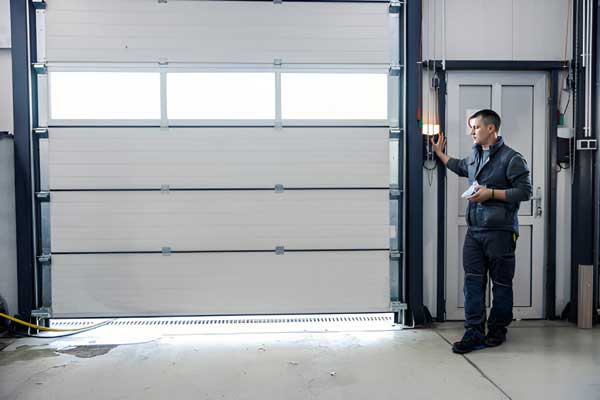
As a homeowner, ensuring the security of your home is paramount, and one area that often gets overlooked is the garage door. A crucial aspect of garage door security is the lock mechanism. Conducting a regular garage door inspection for lock mechanism issues can prevent potential break-ins and ensure your garage door functions smoothly.
In this guide, we’ll delve into the importance of inspecting your garage door locks, common issues to look for, and steps to address these problems effectively. Whether you’re a DIY enthusiast or prefer professional assistance, this article will provide valuable insights into maintaining your garage door’s security.
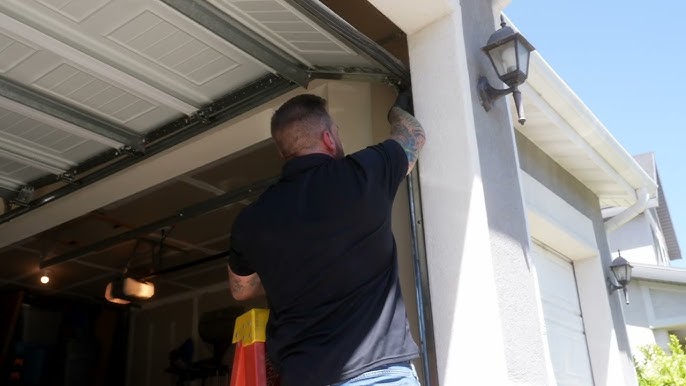
Understanding the Importance of Garage Door Lock Mechanisms
Garage doors are often the largest entry point to a home, making their security a top priority. The lock mechanism is a critical component that ensures the door stays shut when needed. A malfunctioning lock can lead to unauthorized access, compromising not only the garage but potentially the entire home.
Why You Should Conduct Regular Inspections
Regular garage door inspection helps in early detection of issues that could escalate over time. By identifying problems early, you can avoid costly repairs and enhance the durability of your garage door system.
Common Lock Mechanism Issues
There are several issues that can affect the lock mechanism of your garage door:
1. Misalignment
Misalignment of the lock can cause it to jam or fail to secure the door properly. This can occur due to wear and tear or physical impact.
2. Rust and Corrosion
Exposure to the elements can lead to rust and corrosion, affecting the lock’s functionality and lifespan.
3. Mechanical Failure
Over time, the internal components of the lock may wear out, leading to mechanical failure. This can prevent the lock from engaging or disengaging properly.
Steps to Inspect Your Garage Door Lock Mechanism
Inspecting your garage door lock mechanism is a straightforward process that can be done in a few simple steps:
1. Visual Inspection
Begin by visually inspecting the lock for signs of damage, rust, or misalignment. Pay close attention to the lock cylinder and surrounding areas.
2. Functional Test
Test the lock’s functionality by locking and unlocking the door several times. Ensure that the lock engages smoothly without any resistance.
3. Lubrication
If you notice any stiffness, apply a suitable lubricant to the lock mechanism to improve its operation. Avoid using heavy oils that can attract dust and debris.
When to Call a Professional
While some issues can be resolved with a DIY approach, others may require the expertise of a professional. If you encounter complex problems or if the lock is beyond repair, consider seeking professional assistance. For more detailed guidance, you can refer to this professional inspection guide.
DIY vs. Professional Inspection
Deciding between a DIY inspection and hiring a professional depends on the complexity of the issue and your comfort level with handling mechanical tasks. A DIY inspection checklist can be a helpful resource.
Preventive Measures
Prevention is always better than cure. Here are some preventive measures to ensure the longevity and security of your garage door lock mechanism:
1. Regular Maintenance
Schedule regular maintenance checks to keep your garage door and its components in optimal condition.
2. Weatherproofing
Protect your lock mechanism from the elements by installing weatherstripping and ensuring proper sealing.
3. Upgrade to Modern Security Systems
Consider upgrading to modern security systems that offer enhanced protection and convenience.
Conclusion
Ensuring the security and functionality of your garage door lock mechanism is crucial for the safety of your home. Regular garage door inspection for lock mechanism issues can help you identify potential problems early and take appropriate action. By following the steps outlined in this guide, you can maintain a secure and reliable garage door system.
FAQs
Why is my garage door lock not working?
If your garage door lock is not working, it could be due to misalignment, rust, or mechanical failure. Conduct a thorough inspection to identify the root cause.
How often should I inspect my garage door lock?
It’s recommended to inspect your garage door lock every six months to ensure it remains in good working condition.
Can I repair a garage door lock myself?
Yes, minor issues like lubrication and alignment can be handled with a DIY approach. However, for complex issues, it’s best to consult a professional.
This article contains affiliate links. We may earn a commission at no extra cost to you.