When it comes to maintaining a safe and healthy home environment, regular garage door inspection for mold issues is crucial. Mold can pose serious health risks and damage to your property if left unchecked. In this article, we’ll explore the importance of inspecting your garage door for mold, how to conduct a thorough inspection, and what steps to take if you discover mold growth.
Understanding Mold and Its Impact
Mold is a type of fungus that thrives in damp, dark environments. It can spread quickly and release spores into the air, which can be harmful when inhaled. Understanding the nature of mold and its potential impact on your health and property is the first step in preventing and addressing mold issues.
Health Risks Associated with Mold
Mold exposure can lead to a variety of health problems, particularly for individuals with allergies, asthma, or weakened immune systems. Symptoms can include respiratory issues, skin irritation, and even neurological problems in severe cases.
Property Damage from Mold
Aside from health risks, mold can also cause significant damage to your home. It can weaken the structure of your garage door, cause paint to peel, and lead to costly repairs if not addressed promptly. Learn more about the impact of mold on garage doors at Steel-Line.
Preparing for a Garage Door Inspection
Before you begin your inspection, gather the necessary tools such as a flashlight, gloves, and a mask to protect yourself from mold spores. Make sure your garage is well-ventilated to reduce the concentration of airborne spores.
Identifying Common Mold Hotspots
Mold commonly grows in areas with high moisture levels. When inspecting your garage door, pay close attention to the bottom seal, corners, and any areas where water might collect.
Using a Moisture Meter
A moisture meter can be a valuable tool in identifying areas of your garage door that are prone to mold growth. By measuring moisture levels, you can pinpoint potential problem areas before mold becomes visible.
Conducting a Thorough Inspection
A comprehensive inspection involves checking both the interior and exterior of your garage door. Look for signs of discoloration, musty odors, and visible mold growth.
Inspecting the Garage Door Exterior
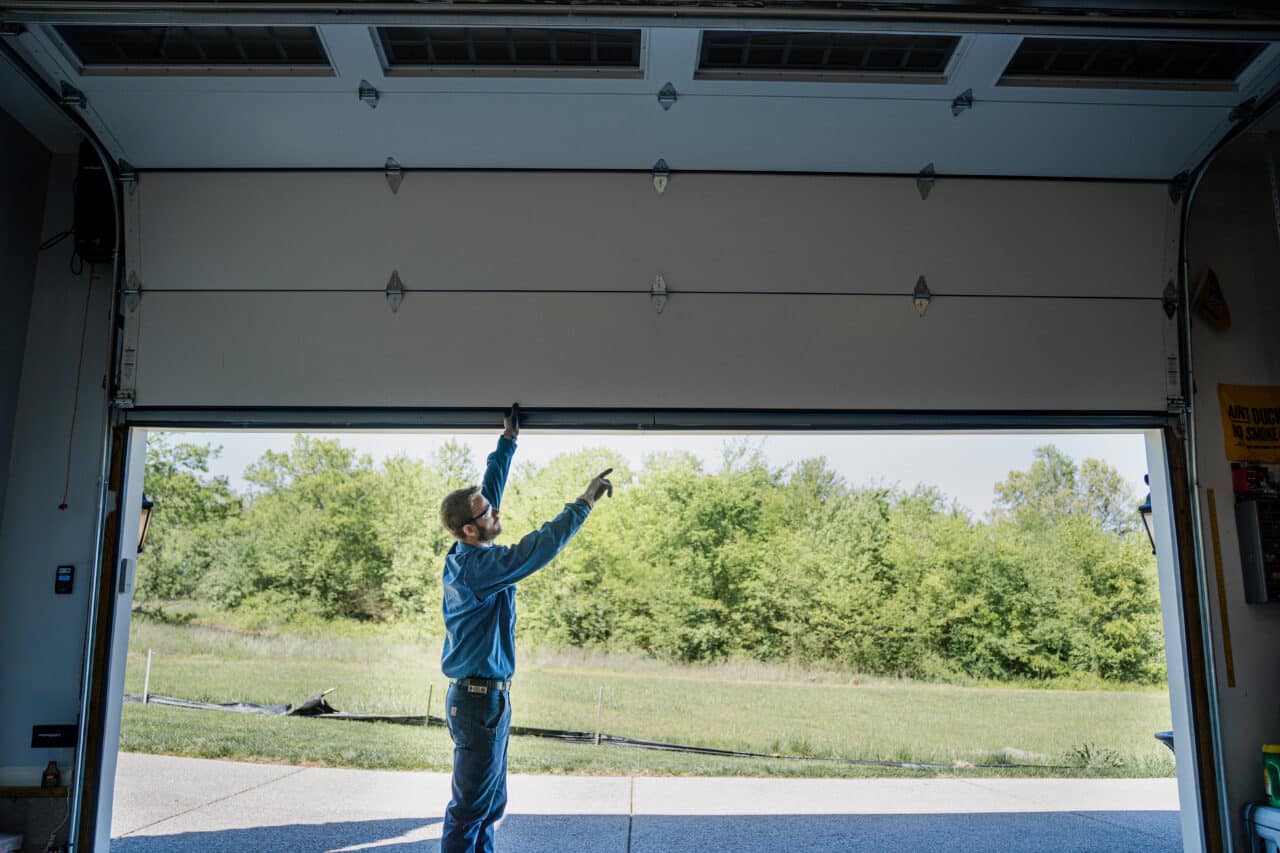
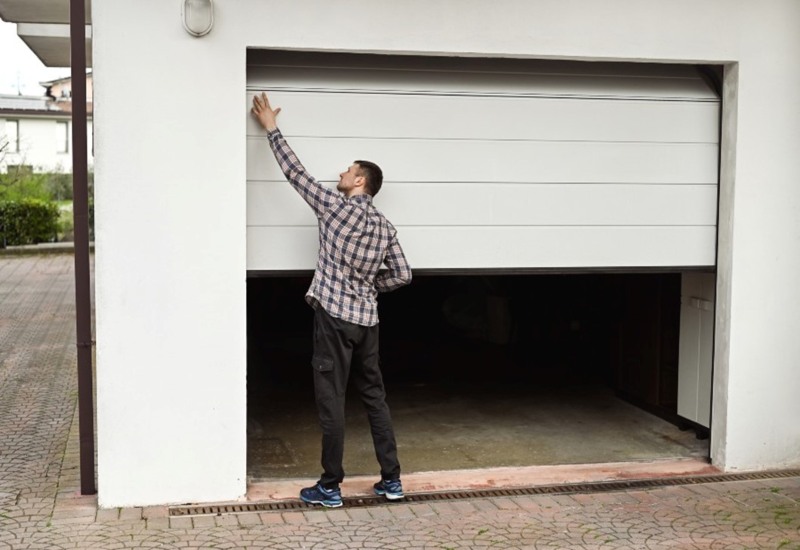
Begin by examining the exterior of the garage door for any signs of water damage or mold. Pay special attention to the edges and any hardware attachments, as these are common areas for mold to develop.
Inspecting the Garage Door Interior
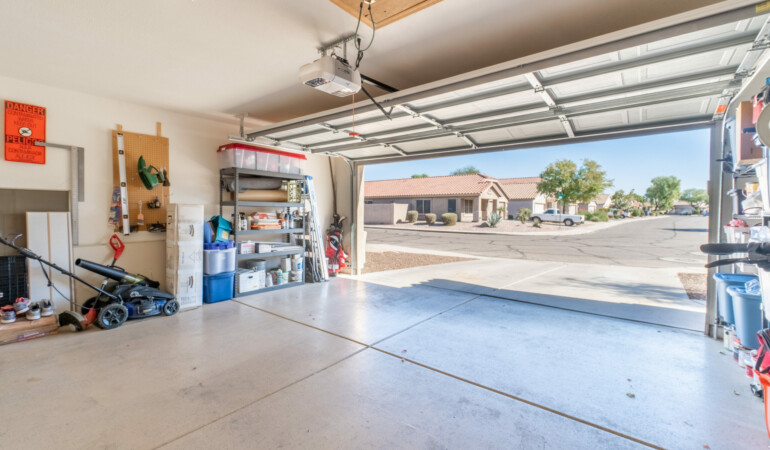
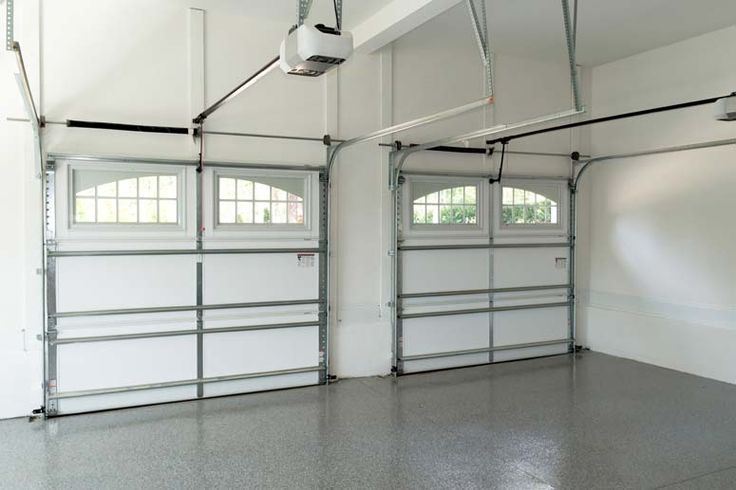
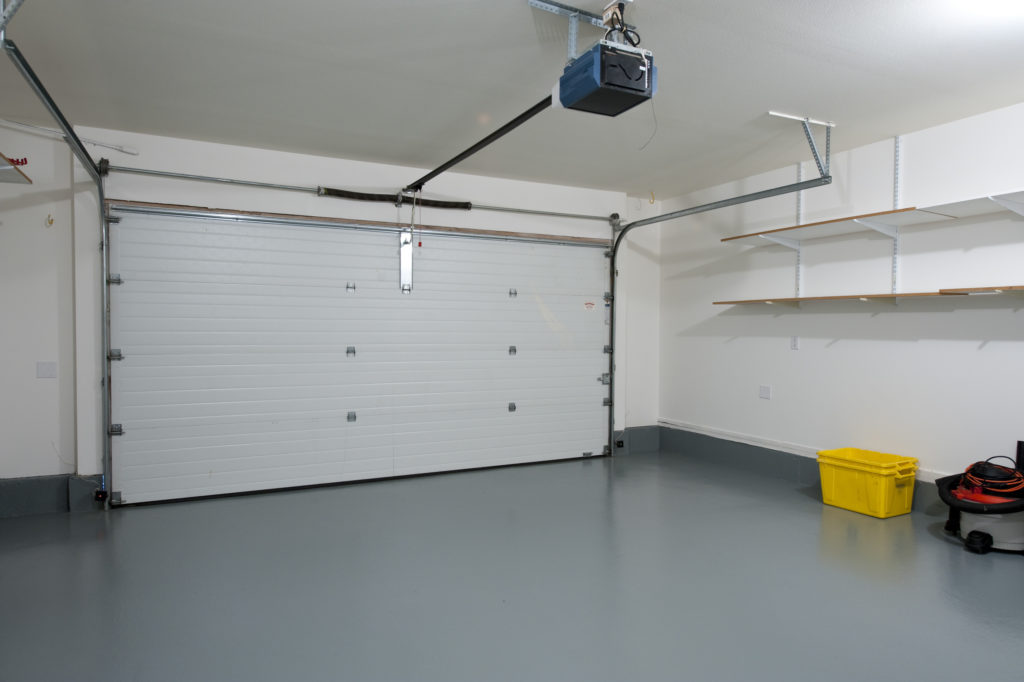
Next, move inside the garage and inspect the interior of the door. Check for any leaks or condensation that could contribute to mold growth. Don’t forget to inspect the garage door opener and tracks for signs of mold.
Addressing Mold Issues
If you discover mold during your inspection, it’s important to address it promptly to prevent further health risks and property damage.
DIY Mold Removal
For small areas of mold, you can use a mixture of water and vinegar or a commercial mold remover to clean the affected areas. Always wear protective gear and ensure proper ventilation when cleaning mold.
When to Call a Professional
If the mold is widespread or in hard-to-reach areas, it’s best to call a professional mold remediation service. They have the expertise and equipment to safely and effectively remove mold from your garage.
Preventing Future Mold Growth
Prevention is key when it comes to mold. Regular maintenance and inspections can help you catch mold issues early and prevent future growth.
Improving Ventilation
Improving the ventilation in your garage can help reduce moisture levels and prevent mold growth. Consider adding vents or fans to increase airflow.
Maintaining a Dry Environment
Keep your garage dry by fixing any leaks promptly and using a dehumidifier if necessary. Regularly inspect and replace the weather stripping on your garage door to prevent water intrusion.
Conclusion
Regular garage door inspection for mold issues is essential for maintaining a healthy and safe home environment. By understanding the risks associated with mold and taking proactive steps to prevent and address mold growth, you can protect your health and property.

Frequently Asked Questions
What are the signs of mold on a garage door?
Common signs of mold include discoloration, a musty odor, and visible mold growth. Areas with high moisture levels are particularly susceptible.
Can I remove mold from my garage door myself?
For small areas of mold, DIY removal with household cleaners can be effective. For larger or more severe mold issues, it’s best to consult a professional.
How can I prevent mold from growing on my garage door?
Prevent mold growth by maintaining a dry environment, improving ventilation, and conducting regular inspections of your garage and door. For more tips, visit Precision Door.
For more information on related garage door topics, check out our guides on checking garage door bearings, inspecting garage door pulley systems, and post-storm garage door inspections.
This article contains affiliate links. We may earn a commission at no extra cost to you.