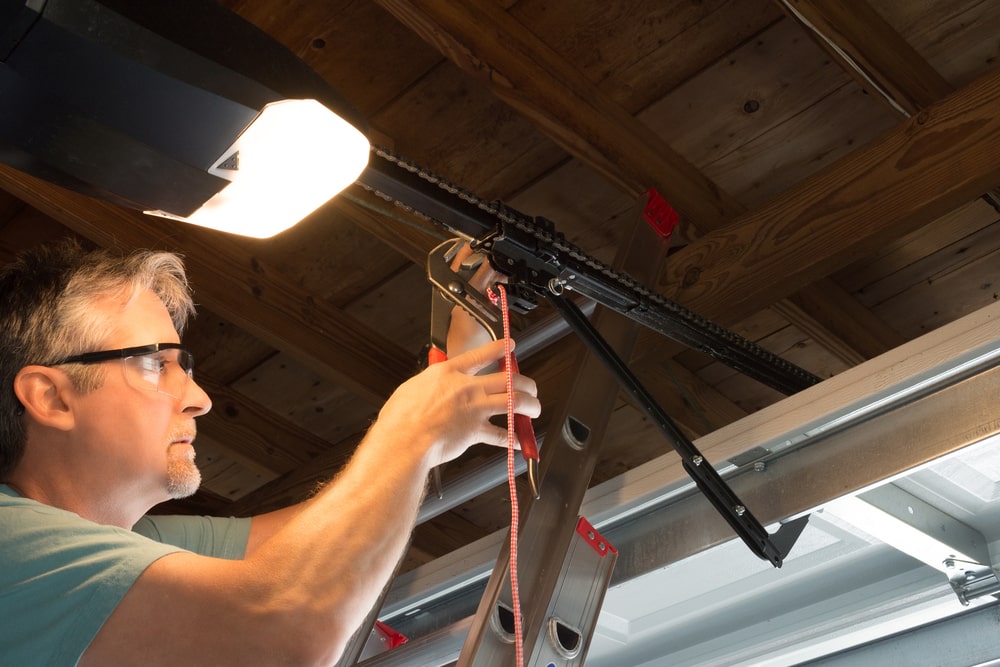
Homeowners often face the common issue of noisy garage doors, which can be both annoying and indicative of underlying problems. Conducting a regular garage door inspection for noisy doors is crucial to maintain their functionality and extend their lifespan. This article provides a comprehensive guide to inspecting your garage door and addressing the sources of noise.
Understanding the Importance of Garage Door Inspections
A garage door inspection is essential for several reasons. It ensures the door operates smoothly, prevents potential damages, and addresses any safety concerns. Identifying the root cause of noise early can save you from costly repairs in the future.
Common Causes of Noisy Garage Doors
The noise in garage doors can stem from various issues:
- Worn-out rollers
- Loose hardware
- Improper lubrication
- Misaligned tracks
Understanding these causes can help you target specific areas during your garage door inspection.
Step-by-Step Guide to Garage Door Inspection
Visual Inspection
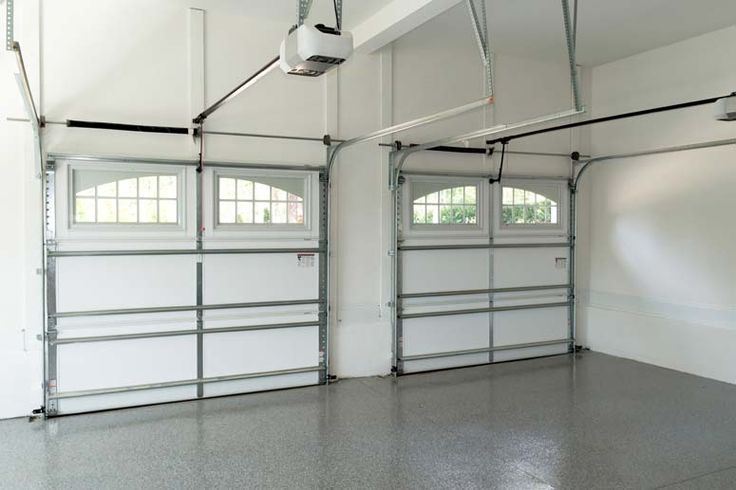
Begin with a thorough visual inspection. Check for any visible signs of wear and tear, rust, or damage. Pay special attention to the rollers, hinges, and tracks.
Lubrication
Lubrication is crucial for a smooth operation. Use a silicone-based lubricant on all moving parts, including rollers, hinges, and springs. This step can significantly reduce noise.
Check Hardware and Tighten Loose Parts
Inspect all nuts and bolts. Over time, vibrations can loosen hardware, leading to noise. Tighten any loose parts securely.
Examine the Rollers
Rollers can wear out and cause noise. During the garage door inspection, check for worn-out rollers and replace them if necessary with new nylon ones for quieter operation.
Inspect the Tracks
Ensure tracks are aligned properly. Misalignment can lead to noise and improper functioning. Adjust the tracks if they are out of alignment.
When to Call a Professional
While DIY inspections and minor maintenance can resolve some issues, there are times when professional help is necessary. If the noise persists after a thorough garage door inspection, consult a professional technician. They have the expertise to diagnose and fix complex problems.
Signs You Need Professional Help
- Persistent noise despite maintenance
- Visible damage to components
- Door does not open or close smoothly
For more details on when to seek professional assistance, visit inspection signs.
Preventative Measures
Regular Maintenance
Conduct regular maintenance checks to keep your garage door in top condition. Simple actions like cleaning the tracks and lubricating moving parts can prevent noise and extend the door’s lifespan.
Use Quality Parts
Invest in high-quality parts. Durable components are less likely to wear out quickly, reducing the chances of noise and prolonging the need for replacements.
Conclusion
Conducting regular garage door inspections for noisy doors is critical in maintaining your door’s functionality and safety. By following these steps, you can ensure your garage door operates smoothly and quietly, enhancing the overall comfort of your home.
For an external guide on what to include in your inspection checklist, visit the garage door checklist.
FAQs
Why is my garage door making a lot of noise?
Noisy garage doors can be caused by worn-out rollers, loose hardware, or lack of lubrication. Regular inspections can help identify the exact cause.
How often should I inspect my garage door?
It’s recommended to inspect your garage door every six months to ensure all parts are functioning properly and to prevent noise.
Can I lubricate my garage door myself?
Yes, you can lubricate your garage door yourself. Use a silicone-based lubricant for the best results on all moving parts.
This article contains affiliate links. We may earn a commission at no extra cost to you.