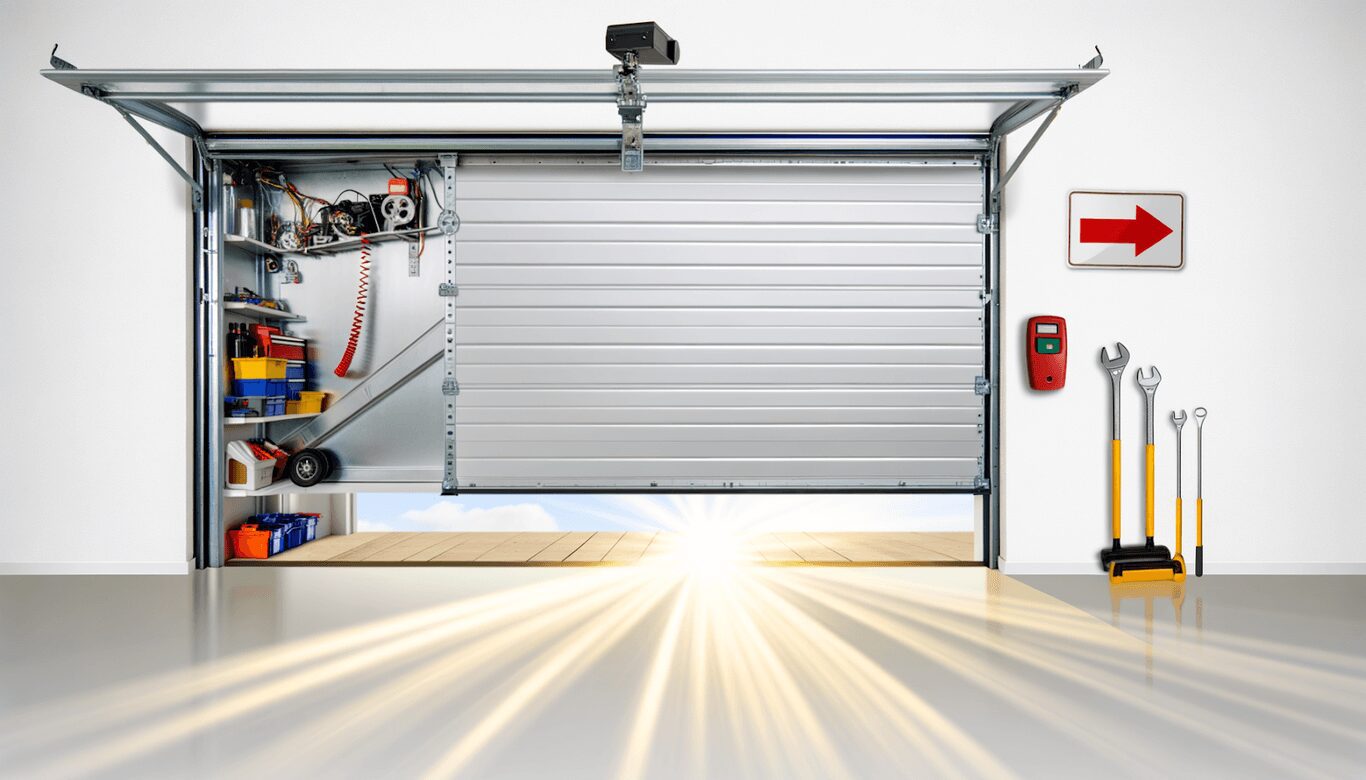
In today’s fast-paced world, maintaining the safety and functionality of your home is paramount. One crucial aspect of this maintenance is ensuring your garage door operates smoothly. If you’ve ever encountered issues with your garage door not opening or closing properly, the problem might lie within the opener circuit. Conducting a thorough garage door inspection for opener circuit problems is essential for homeowners who wish to avoid inconvenience and ensure their security.
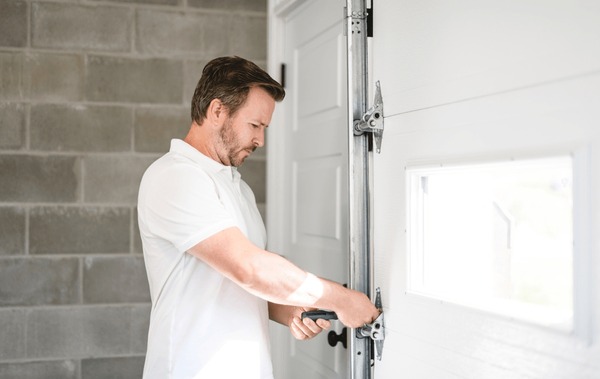
Understanding the Importance of Garage Door Inspections
Regular garage door inspections are vital because they can prevent potential hazards and extend the lifespan of your door. By addressing problems early, you can avoid costly repairs and ensure your garage remains secure. In this guide, we will delve into the specifics of inspecting your garage door, focusing on the opener circuit problems that often arise.
Common Signs of Opener Circuit Problems
Identifying the signs of opener circuit problems early can save you time and money. Some common symptoms include:
- The garage door does not open or close fully.
- The door reverses before or after touching the floor.
- Unusual noises during operation.
- The opener light blinks continuously.
Tools Needed for Inspection
Before you begin your garage door inspection, gather the following tools:
- Screwdriver set
- Multimeter
- Ladder
- Owner’s manual
Step-by-Step Garage Door Inspection Process
Step 1: Visual Inspection
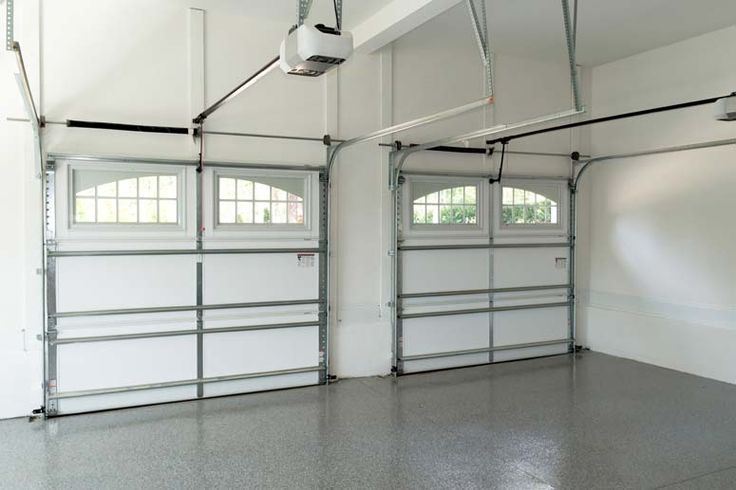
Begin by visually inspecting the garage door components. Look for signs of wear and tear on springs, cables, rollers, and tracks. Check for any loose screws or bolts that may need tightening.
Step 2: Testing the Opener Circuit
Use a multimeter to test the voltage in the opener circuit. Disconnect the power supply and remove the opener cover. Measure the voltage across the terminals and compare it with the manufacturer’s specifications in the owner’s manual.
Step 3: Adjusting the Sensors
Inspect the safety sensors located near the bottom of the garage door tracks. Ensure they are aligned and free from obstructions. Clean the sensors with a soft cloth if necessary.
Step 4: Lubrication
Regular lubrication of moving parts is essential to reduce friction and prevent wear. Use a silicone-based lubricant on springs, hinges, rollers, and tracks.
Troubleshooting Common Opener Circuit Issues
Issue 1: Power Supply Problems
If the garage door opener doesn’t receive power, check the circuit breaker and ensure the power outlet is functioning. Replace any blown fuses or reset the breaker as needed.
Issue 2: Faulty Wiring
Inspect the wiring connections within the opener circuit. Look for frayed or damaged wires and replace them if necessary. Ensure all connections are secure.
Issue 3: Sensor Misalignment
Misaligned sensors can cause the door to reverse unexpectedly. Adjust the sensors until they are perfectly aligned and test the door’s functionality.
When to Call a Professional
While many homeowners can handle basic garage door inspections, some issues require professional expertise. If you encounter complex electrical problems or are unsure about the inspection process, it’s best to consult a professional. You can learn more about professional inspections here.
Preventative Maintenance Tips
To keep your garage door in optimal condition, follow these maintenance tips:
- Inspect your garage door monthly.
- Lubricate moving parts every six months.
- Test the opener’s safety features regularly.
Conclusion
A thorough garage door inspection for opener circuit problems is essential for maintaining your home’s safety and convenience. By understanding the common issues and following the steps outlined in this guide, homeowners can ensure their garage doors function smoothly for years to come. For more insights on garage door maintenance, visit this page.
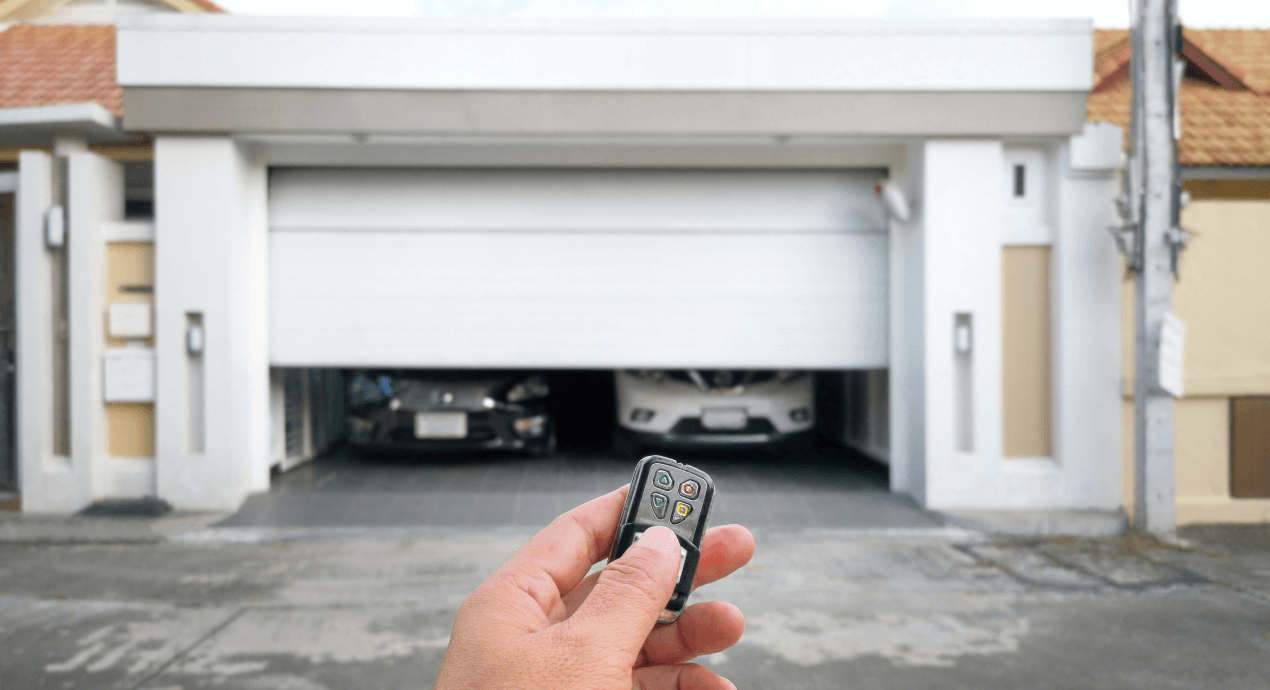
FAQs
What should I do if my garage door opener doesn’t work?
First, check the power supply and circuit breaker. If the problem persists, inspect the wiring and sensors. Consider consulting a professional if you can’t identify the issue.
How often should I inspect my garage door?
It’s recommended to inspect your garage door monthly for any signs of wear and tear. Regular maintenance can prevent major problems.
Can I perform garage door inspections myself?
Yes, many homeowners conduct basic inspections themselves. However, for complex issues, it’s best to seek professional help. For more tips, check out this resource.
This article contains affiliate links. We may earn a commission at no extra cost to you.