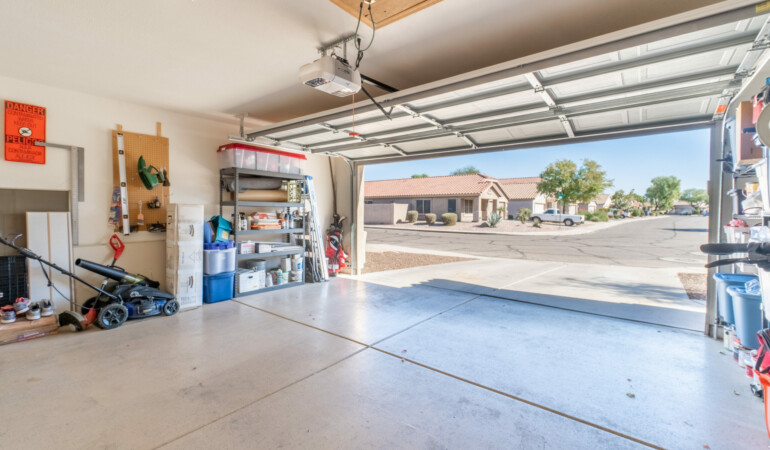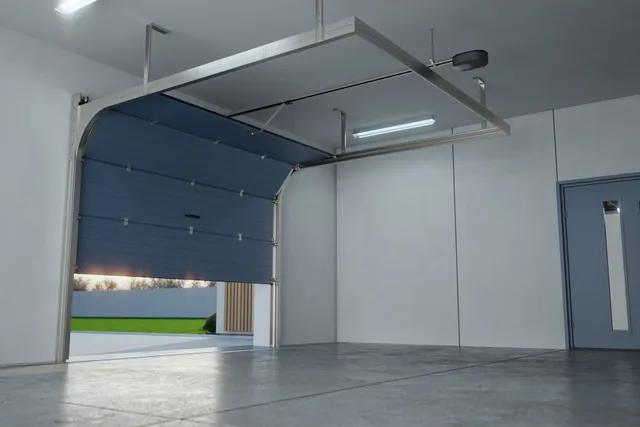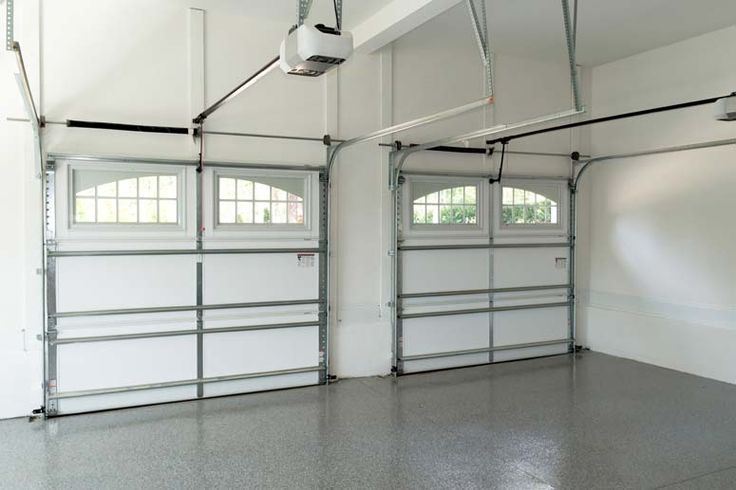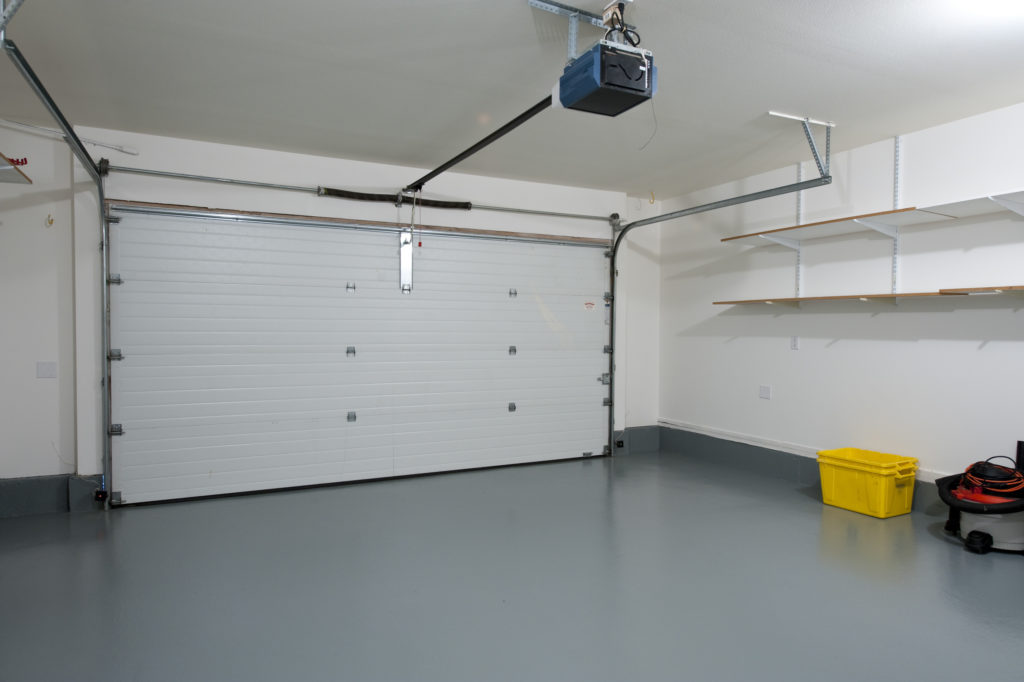
For homeowners, ensuring the safety and functionality of their homes is a priority. One often overlooked yet crucial aspect is the garage door inspection for overhead doors. A well-maintained garage door not only enhances the security of your home but also extends the lifespan of the door itself. In this guide, we will explore the importance of regular inspections and provide tips on how to conduct them effectively.
The Importance of Regular Inspections
Regular inspections of your overhead garage doors are essential for several reasons. Firstly, it ensures that the door operates smoothly and safely. Malfunctions can lead to accidents or even damage to your vehicle. Secondly, routine checks can help identify potential issues before they escalate into costly repairs. By addressing problems early, you can save both time and money.
Safety First
Safety is paramount when it comes to garage doors. These heavy structures can pose significant risks if not properly maintained. Regular inspections help in identifying worn-out parts and ensuring that safety mechanisms are in place and functional. This includes checking sensors and auto-reverse features that prevent the door from closing on objects or people.
Extending the Lifespan of Your Door
Conducting a garage door inspection for overhead doors regularly can significantly extend the life of your door. By ensuring that all components are in good working condition, you reduce the strain on the motor and other parts, preventing premature wear and tear.
Key Components to Inspect
When performing an inspection, focus on the following key components:
1. Springs
Check the springs for signs of wear and tear. These components bear the door’s weight and are crucial for smooth operation. Listen for any unusual noises that might indicate a problem.
2. Cables
Inspect the cables for fraying or damage. Cables work alongside springs to lift and lower the door. Damaged cables can compromise the door’s functionality.
3. Tracks
Ensure that the tracks are clean and free of obstructions. Misaligned or dirty tracks can cause the door to operate inefficiently. Check for any bends or dents that might impede movement.
Conducting a Thorough Inspection
To conduct a thorough garage door inspection for overhead doors, follow these steps:
Visually Inspect All Components
Start with a visual inspection of all components. Look for obvious signs of wear, damage, or misalignment. Pay attention to how the door moves when operated.
Test the Door’s Balance
A well-balanced door is crucial for proper operation. Disconnect the opener and manually lift the door halfway. It should remain in place without support. If it doesn’t, the springs may need adjustment.
Check Safety Features
Test the door’s safety features, such as the auto-reverse mechanism. Place an object in the door’s path and attempt to close it. The door should reverse immediately upon contact with the object.
Regular Maintenance Tips
In addition to inspections, regular maintenance is key to keeping your garage door in top condition.
Lubrication
Regularly lubricate moving parts, such as rollers and hinges, to reduce friction and ensure smooth operation.
Tighten Loose Hardware
Over time, vibrations can loosen nuts and bolts. Check and tighten any loose hardware to prevent operational issues.
When to Call a Professional
While many inspection tasks can be performed by homeowners, there are times when it’s best to call a professional. If you notice any significant issues or if you’re unsure about performing certain tasks, it’s wise to seek expert assistance. Professional technicians have the tools and expertise to address complex problems safely.
Conclusion
Regular garage door inspection for overhead doors is crucial for maintaining safety and functionality. By following the steps outlined in this guide, homeowners can ensure their garage doors remain in optimal condition. For more detailed information on specific inspection processes, visit this guide.
FAQs
1. How often should I inspect my garage door?
It’s recommended to perform a basic inspection every three months and a more thorough check annually.
2. What are common signs of garage door problems?
Common signs include unusual noises, slow operation, and the door not closing or opening fully.
3. Can I perform garage door repairs myself?
While minor maintenance can be done by the homeowner, complex repairs should be handled by a professional to ensure safety.
For more tips on maintaining your garage door, check out this inspection guide or learn how to check door bearings.
This article contains affiliate links. We may earn a commission at no extra cost to you.