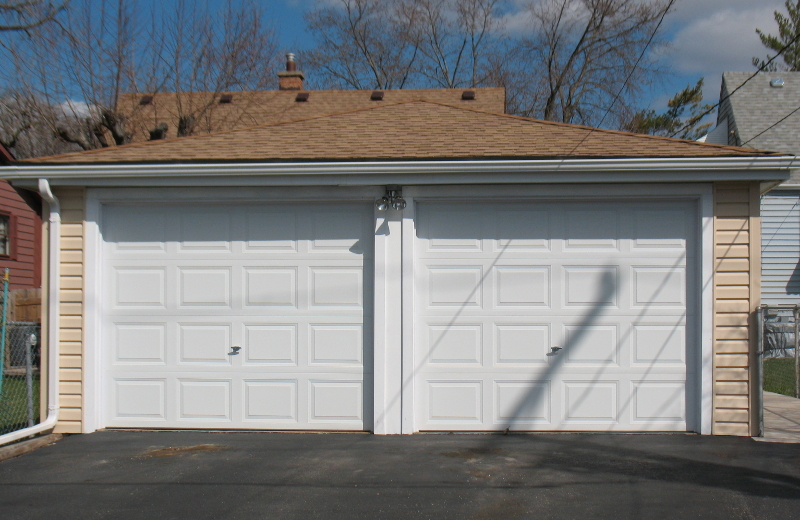
As a homeowner, ensuring the safety and functionality of your garage door is crucial. One significant aspect to focus on is the garage door inspection for reversing doors. A reversing garage door is designed to prevent accidents and damage by automatically reversing when it encounters an obstacle. Regular inspections can help maintain its efficiency and safety.
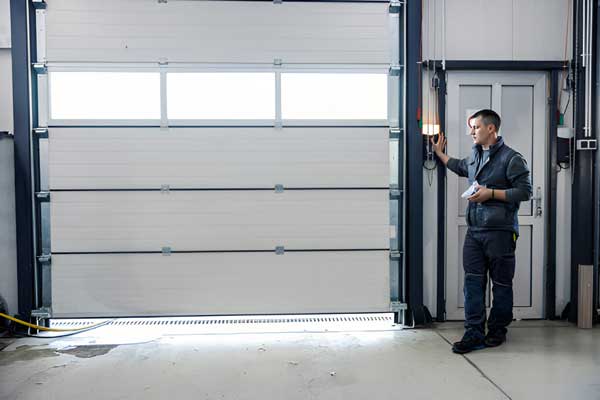
Why Inspecting Your Reversing Garage Door Matters
Regular garage door inspection not only ensures the safety of your family but also enhances the longevity of the door system. A malfunctioning reversing mechanism can lead to accidents and property damage. By conducting routine checks, you can identify and fix potential issues before they escalate.
Components to Review During Inspection
When performing a garage door inspection for reversing doors, pay attention to these key components:
- Safety Sensors: Ensure they are clean and aligned.
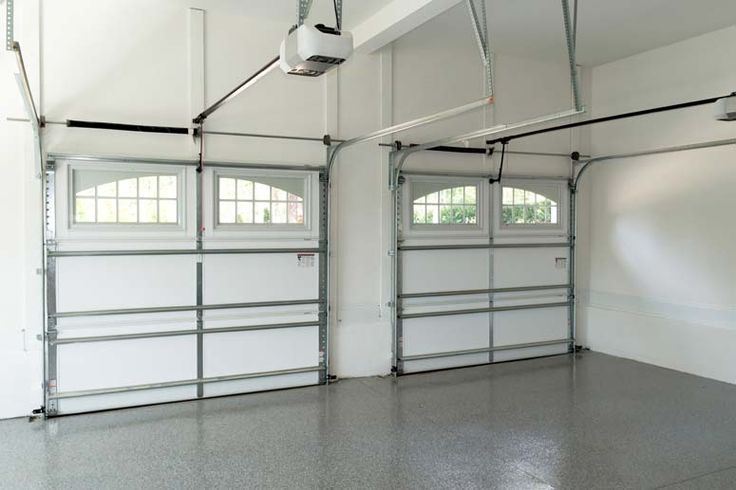
- Tracks and Rollers: Check for any obstructions or damage.
- Springs and Cables: Look for signs of wear and tear.
Step-by-Step Inspection Process
1. Test the Reversing Mechanism
Place a sturdy object in the path of the door. Close the door; it should reverse upon contact with the object. If not, adjustment is needed.
2. Examine the Safety Sensors
Safety sensors are vital for the reversing function. They should be aligned and free from dirt. If the sensors are not working, the door might not reverse.
3. Inspect the Tracks and Rollers
Check the tracks for debris and ensure the rollers are not worn out. This ensures smooth operation.
4. Check Springs and Cables
Springs and cables should be in good condition. They bear the door’s weight and are critical for garage door safety.
DIY vs. Professional Inspection
While you can perform basic checks, a professional inspection offers a comprehensive evaluation. Experts can spot issues that might be overlooked by the untrained eye. For more detailed insights, consider scheduling a professional garage door inspection.
Frequency of Garage Door Inspections
It’s advisable to inspect your garage door at least twice a year. However, if you notice any irregularities, such as unusual noises or slow operation, conduct an immediate check.
Benefits of Regular Garage Door Inspections
- Safety: Prevents accidents and injuries.
- Longevity: Extends the life of your garage door system.
- Cost-Efficiency: Identifies issues early, reducing repair costs.
Common Problems and Solutions
Misaligned Sensors
Realign and clean the sensors to ensure they function correctly.
Worn-Out Springs
Replace springs if they are showing signs of wear. This should ideally be done by a professional.
Obstructed Tracks
Clear debris and ensure tracks are properly aligned.
When to Call a Professional
If your garage door fails to reverse even after basic troubleshooting, it’s time to consult a professional. They have the tools and expertise to address complex issues. For detailed guidance, visit our inspection guide.
Conclusion
Regular garage door inspection for reversing doors is essential for ensuring safety and functionality. By staying proactive, you can prevent potential accidents and maintain the smooth operation of your garage door. Remember, while DIY checks are helpful, professional inspections provide a comprehensive evaluation. For more information, consider reading about the importance of regular garage door inspections.
FAQs
How often should I inspect my garage door?
It’s recommended to perform an inspection at least twice a year or whenever you notice irregularities.
What should I do if my garage door doesn’t reverse?
Check the safety sensors and test the reversing mechanism. If issues persist, call a professional.
Can I perform garage door inspections myself?
Yes, basic inspections can be done by homeowners, but professional checks are advisable for comprehensive evaluations.
This article contains affiliate links. We may earn a commission at no extra cost to you.