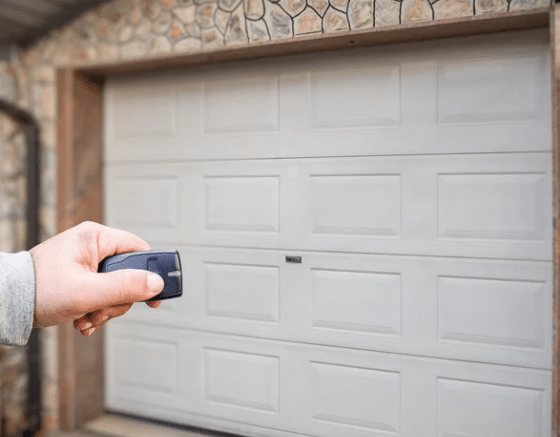
For many homeowners, the garage door is an essential part of daily life. It’s used multiple times a day and is an integral part of the homes security. One of the most common types of garage doors is the roll-up door, known for its space-saving design and ease of use. Conducting a regular garage door inspection for roll up doors ensures that these doors function efficiently and safely. This article will guide you through the key aspects of inspecting your roll-up garage door, helping you maintain its longevity and reliability.
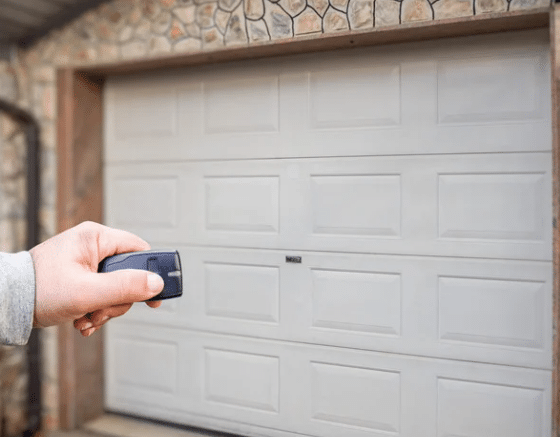
Understanding Roll-Up Garage Doors
Roll-up doors conveniently roll into a compact coil just above the door opening, making them ideal for spaces with limited overhead room. They are commonly used in both residential and commercial settings due to their durability and ease of use. Regular inspections are crucial to maintaining their performance.
The Importance of Regular Inspections
Why is a regular garage door inspection vital? Over time, wear and tear can lead to operational issues or even safety hazards. Regular inspections help identify potential problems before they escalate, ensuring your door operates smoothly and safely. By addressing minor issues early, you can avoid costly repairs or replacements in the future.
Key Components to Inspect
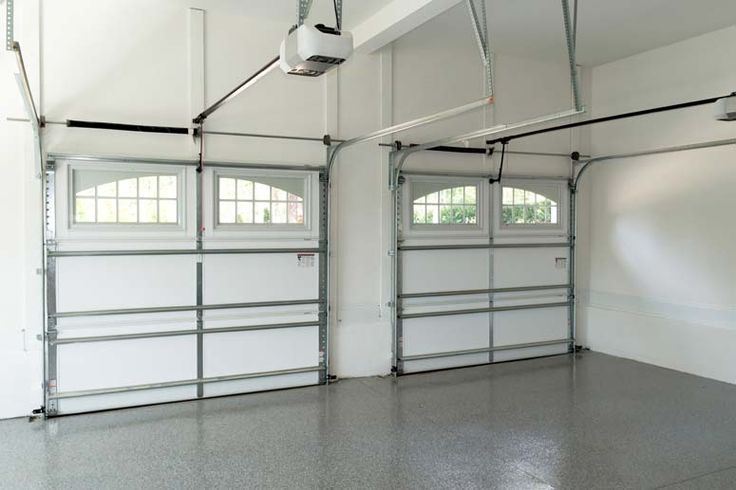
When conducting a garage door inspection for roll-up doors, certain components require special attention:
- Springs: These are under high tension and can be dangerous if they break. Look for signs of wear or rust, and ensure they are functioning properly.
- Cables: Check for fraying or corrosion, which can affect the door’s ability to open and close smoothly.
- Rollers and Tracks: Inspect for any debris or damage that might impede the doors movement.
- Weather Seals: Ensure they are intact to prevent drafts and pests from entering.
Conducting a Visual Inspection
A visual inspection is a fundamental part of the process. Begin by observing the door as it opens and closes. Listen for any unusual noises, which might indicate a problem with the springs or rollers. Check the alignment of the door and ensure it rolls up smoothly without hesitation.
Testing the Balance
A balanced door is crucial for proper operation. To test balance, disconnect the opener and manually lift the door halfway. If it stays in place, the door is balanced. If not, it may require adjustment by a professional.
Lubrication and Maintenance
Proper lubrication is vital to the smooth operation of roll-up doors. Use a silicone-based lubricant on the springs, rollers, and other moving parts to prevent rust and ensure smooth movement. Regular maintenance reduces the risk of mechanical failure.
When to Call a Professional
While many aspects of a garage door inspection can be done by homeowners, certain tasks should be left to professionals. If you notice broken springs, frayed cables, or the door is off-balance, contact a professional technician immediately.
Safety Tips During Inspection
Garage doors are heavy and can be dangerous if not handled correctly. Always exercise caution during inspections. Do not attempt to fix broken springs or cables yourself, as these can cause serious injury.
Common Issues with Roll-Up Doors
Some common issues that might arise include misalignment, wear and tear on the springs, or electrical problems with the opener. Regular inspections help catch these issues early.
Preventative Measures
To extend the lifespan of your roll-up door, practice regular maintenance. Keep the tracks clean, lubricate moving parts, and ensure the door is balanced. These measures prevent major problems and ensure smooth operation.
Benefits of Routine Inspections
Routine inspections not only ensure safety but also enhance the longevity of your garage door. They help in maintaining energy efficiency by ensuring the door seals properly, reducing heating or cooling loss.
DIY vs. Professional Inspection
While DIY inspections are suitable for basic checks, professional inspections offer a comprehensive evaluation. Professionals have the expertise to identify and fix issues that may not be apparent to an untrained eye.
Resources for Further Guidance
For more detailed steps on conducting a garage door inspection, refer to this external guide on inspecting garage doors. For residents in hot climates, special considerations can be found in this inspection guide for hot climates.
Conclusion
In summary, regular garage door inspection for roll up doors is crucial for ensuring safety, reliability, and longevity. By understanding the components that require attention and performing routine checks, homeowners can prevent most issues and enjoy a smoothly functioning garage door. Remember, when in doubt, always consult a professional to ensure the best care for your garage door.
FAQ
How often should I inspect my roll-up garage door?
It’s recommended to conduct a basic inspection every three months and a professional inspection annually.
What should I do if my garage door is noisy?
Noisy doors often need lubrication. Apply a silicone-based lubricant to the moving parts. If the noise persists, consult a professional.
Can I replace the springs myself?
Replacing springs can be dangerous due to their tension. Always hire a professional for spring replacement to avoid injury.
This article contains affiliate links. We may earn a commission at no extra cost to you.