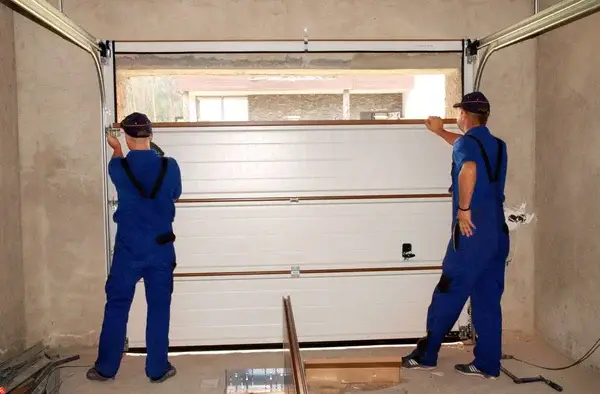
As a homeowner, ensuring that every part of your home is safe and compliant with safety standards is crucial. One often overlooked area is the garage door. Regular garage door inspection for safety compliance can prevent accidents and costly repairs. In this article, we’ll guide you through the vital steps and considerations to keep your garage door in top condition.
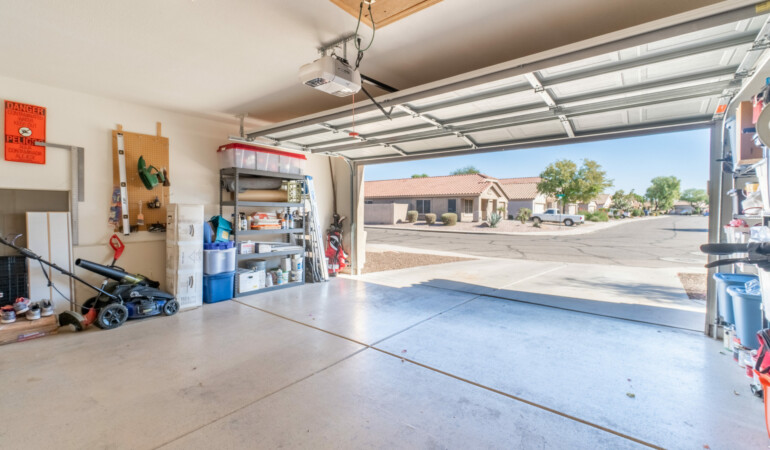
Why is Garage Door Safety Important?
Garage doors are the largest moving part of your home. If not properly maintained, they can pose serious safety risks. Regular inspections help in identifying potential issues before they become hazardous. By ensuring safety compliance, you protect both your family and property.
Understanding Safety Compliance
Safety compliance refers to following industry standards and regulations to ensure that your garage door functions safely. This can include checking mechanical components, electronic systems, and ensuring the door’s balance and alignment.
Key Components to Inspect
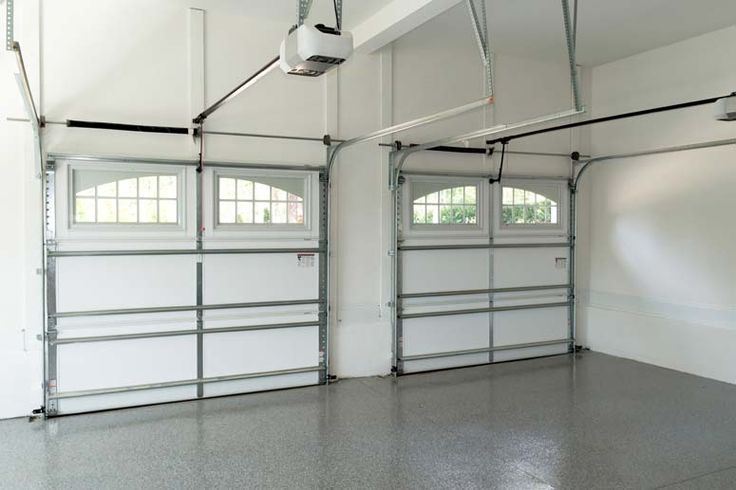
- Springs: Check for wear and tear. Broken springs can cause the door to fall unexpectedly.
- Tracks: Ensure they are aligned and free of debris.
- Rollers: Inspect for smooth operation. Lubricate or replace as necessary.
- Garage Door Opener: Test for responsiveness and unusual noises. Opener noise can indicate underlying issues.
Step-by-Step Inspection Guide
Visual Inspection
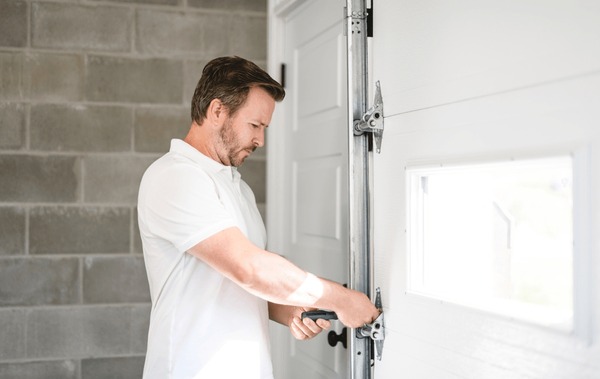
Start with a visual inspection. Look for signs of damage, rust, or wear on all components. Pay special attention to the springs and cables as these are critical for safe operation.
Manual Test
Disconnect the garage door opener and open the door manually. It should lift smoothly and stay open without assistance. If not, there may be an issue with the springs or balance.
Testing the Auto-Reverse Feature
This safety feature prevents the door from closing on an object. Place a small object in the door’s path and close it. The door should reverse upon contact.
Common Issues and Solutions
Noise and Grinding
Noisy doors can indicate a lack of lubrication or worn-out parts. Regular lubrication and replacing worn components can resolve these issues. Check out how to check garage door bearings for more details.
Door Doesn’t Close Fully
If the door does not close completely, the issue could be with the limit settings on the opener or an obstruction in the tracks.
Professional vs. DIY Inspections
While DIY inspections can catch obvious issues, a professional inspection offers a more thorough evaluation. Experts are trained to identify less apparent problems that could affect safety.
When to Call a Professional
If you’re not confident in performing the inspection yourself, or if you detect a significant issue, it’s best to call a professional. They have the tools and expertise to address complex problems.
Maintaining Your Garage Door
Regular Maintenance Tips
- Lubricate moving parts every six months.
- Check and tighten bolts and screws.
- Inspect weather seals for damage.
Creating a Maintenance Schedule
Set reminders for regular checks. Monthly visual inspections and semi-annual professional reviews are recommended.
Resources for Further Reading
For more detailed guidance, visit Clopay’s guide on regular garage door inspections.
FAQs
What should I do if my garage door is off track?
If your garage door is off track, do not attempt to fix it yourself. Call a professional to handle the repair safely.
How often should I inspect my garage door?
It’s recommended to perform a visual inspection monthly and a professional inspection at least once a year.
Can I repair garage door springs myself?
Repairing garage door springs is dangerous. It’s best to hire a professional for this task.
This article contains affiliate links. We may earn a commission at no extra cost to you.