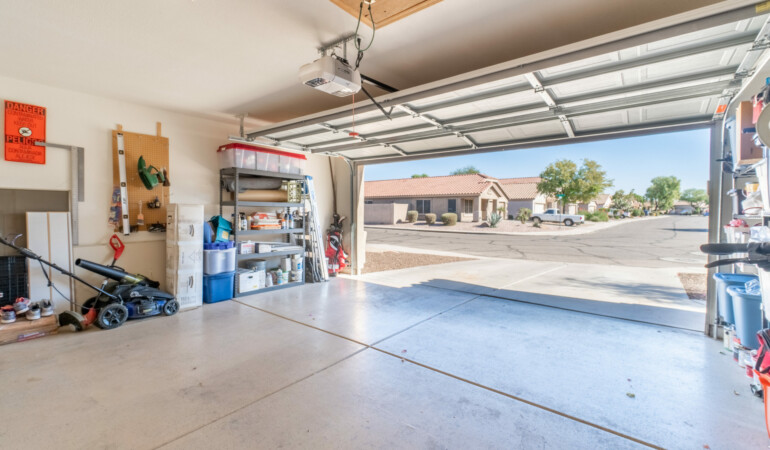
Garage door inspection for safety hazards is crucial for maintaining a safe and efficient home environment. Many homeowners often overlook the importance of regular inspections, not realizing the potential dangers posed by a malfunctioning garage door. This guide will help you understand why these inspections are vital and provide you with the knowledge to perform them effectively.
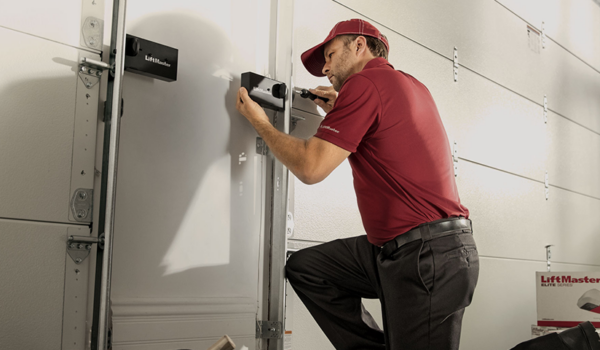
Understanding the Importance of Garage Door Inspections
Garage doors play a critical role in the safety and security of your home. They protect your vehicles, tools, and other valuables from theft and the elements. However, without routine garage door inspection, you might find yourself facing unexpected problems that could compromise your safety.
Why Safety Checks Are Essential
Safety should be a top priority for every homeowner. A faulty garage door can lead to severe injuries and even fatalities. Regular inspections can help identify safety hazards before they become major issues. According to ABC Doors, routine inspections are essential for preventing accidents and ensuring the longevity of your garage door system.
Common Safety Hazards
During a garage door inspection for safety hazards, you should be aware of common issues such as misaligned tracks, worn-out springs, and faulty openers. These problems can not only damage your garage door but also pose serious risks to your family and pets.
Conducting a Thorough Garage Door Inspection
Performing a detailed inspection involves checking various components of your garage door system. Here are some steps to help you get started:
1. Visual Inspection
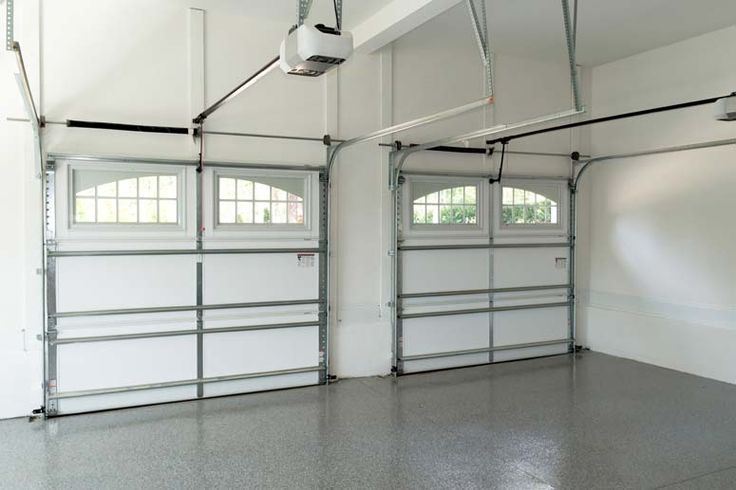
Begin by examining the overall condition of the door. Look for signs of wear and tear, rust, or any visible damage. Check the tracks for alignment and ensure they are free of debris. For more detailed guidance, you can refer to this steel door check.
2. Testing the Balance
A properly balanced garage door is crucial for smooth operation. Disconnect the opener and manually lift the door halfway. If it stays in place, it is balanced. If not, you may need to adjust the springs.
3. Inspecting the Hardware
Check all nuts, bolts, and fasteners, ensuring they are tight and secure. Loose hardware can lead to misalignment and other operational issues.
4. Evaluating the Garage Door Opener
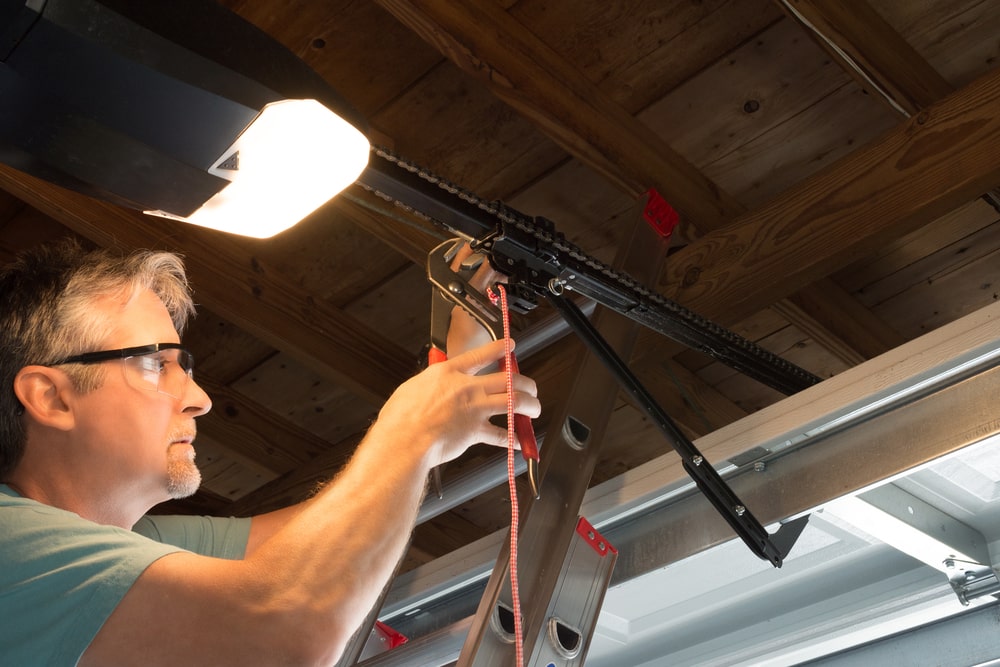
Test the opener’s response time and listen for unusual noises. Make sure the safety sensors are functioning correctly by placing an object in the door’s path and attempting to close it. The door should reverse immediately.
Understanding Weather Impacts
Weather conditions can significantly impact the performance of your garage door. For instance, after severe weather events like storms, conducting a post-storm inspection is highly recommended.
The Role of Professional Inspections
While DIY inspections are beneficial, hiring a professional can provide a more comprehensive assessment. Experts have the experience and tools necessary to identify and fix potential issues that might be missed during a self-inspection.
Choosing the Right Professional Service
When selecting a professional service, ensure they are reputable and experienced. It’s wise to get quotes from multiple providers to find the best service at a reasonable price.
FAQs on Garage Door Safety
1. How often should I inspect my garage door?
It’s recommended to perform a basic garage door inspection for safety hazards at least once every six months. Professional inspections should be scheduled annually.
2. What are the most common signs that my garage door needs maintenance?
Unusual noises, slow response times, and visible damage are common signs that your garage door requires maintenance. For more indicators, visit this maintenance signs guide.
3. Can I perform a garage door inspection myself?
Yes, you can perform a basic inspection on your own. However, for more detailed evaluations and repairs, it’s advisable to hire a professional.
Conclusion
Regular garage door inspection for safety hazards is essential for maintaining the security and functionality of your garage door. By conducting routine checks and addressing issues promptly, you can prevent accidents and prolong the life of your door system. Remember, safety starts with awareness and proactive maintenance.
This article contains affiliate links. We may earn a commission at no extra cost to you.