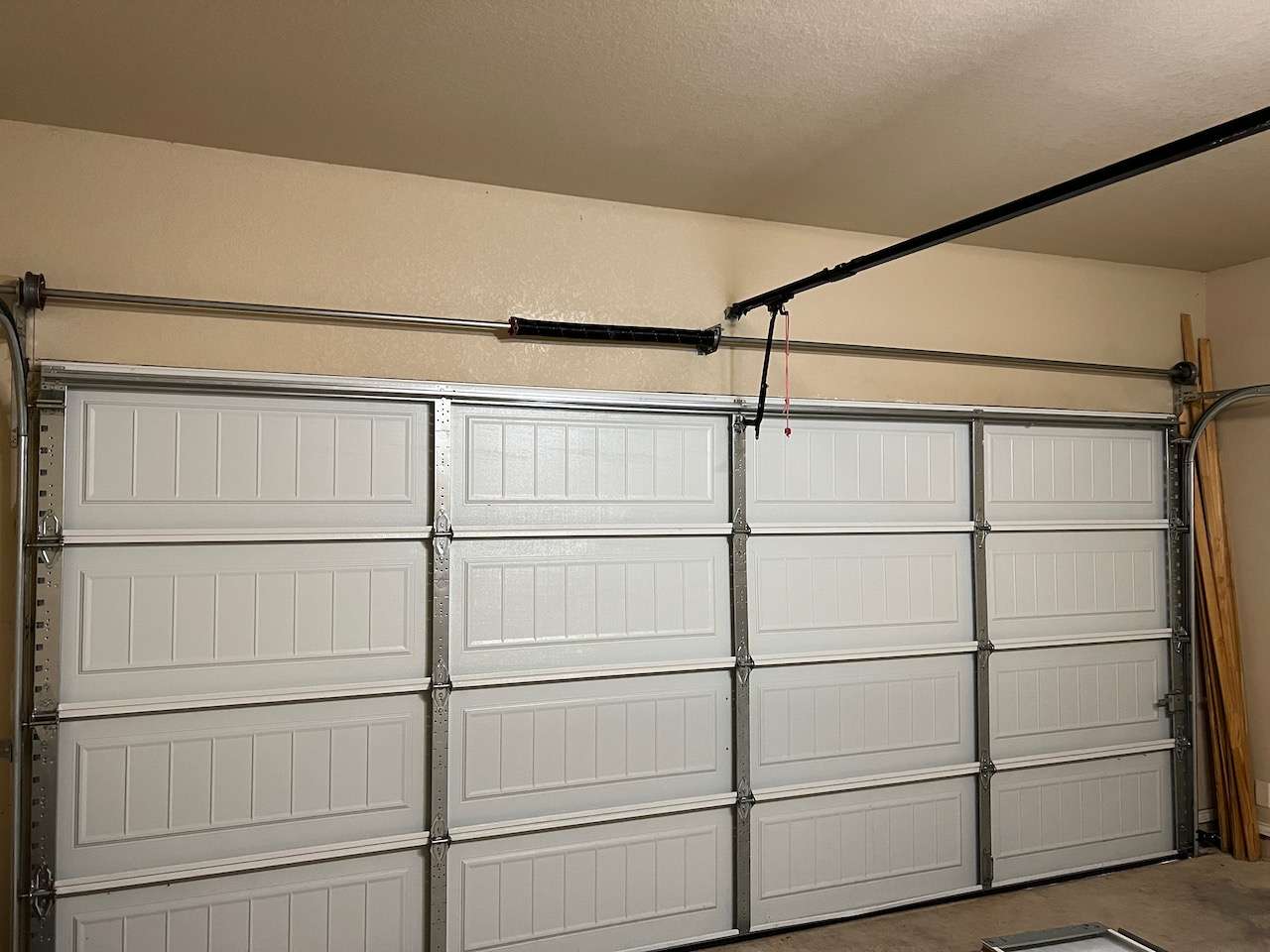
Ensuring that your garage door is in proper working condition is crucial for the safety and functionality of your home. A sagging garage door not only looks unsightly but can also pose several risks, including increased wear on other parts of the door and potential safety hazards. Conducting a regular garage door inspection for sagging door can prevent these issues and prolong the life of your door.
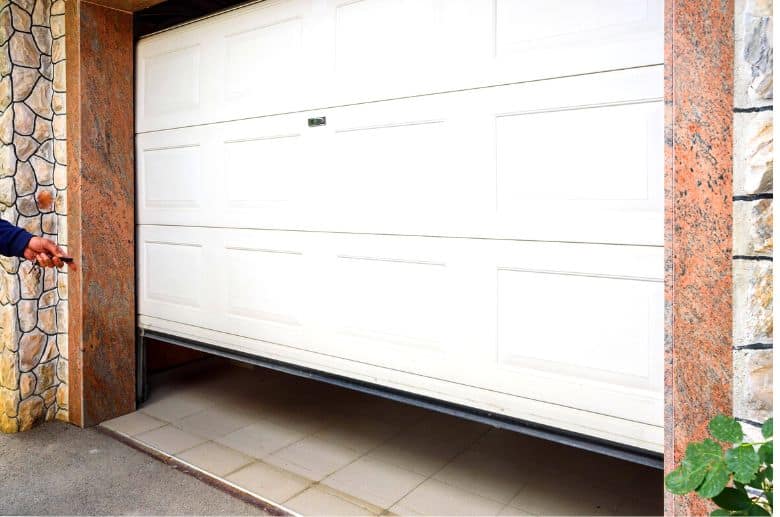
Why is a Garage Door Inspection Important?
A thorough inspection of your garage door helps to identify potential problems before they become major issues. A sagging door can be a sign of underlying problems, such as worn-out springs or a misaligned track. Catching these problems early can save you from costly repairs or replacements in the future.
Signs of a Sagging Garage Door
Before diving into the inspection process, it’s important to recognize the signs of a sagging garage door. Common indicators include:
- The door appears uneven when closed.
- There are gaps between the door and the frame.
- The door sticks or jams when opening or closing.
- You notice increased noise during operation.
If you notice any of these signs, it’s time to conduct a detailed inspection.
Steps for Inspecting a Sagging Garage Door
1. Check the Springs
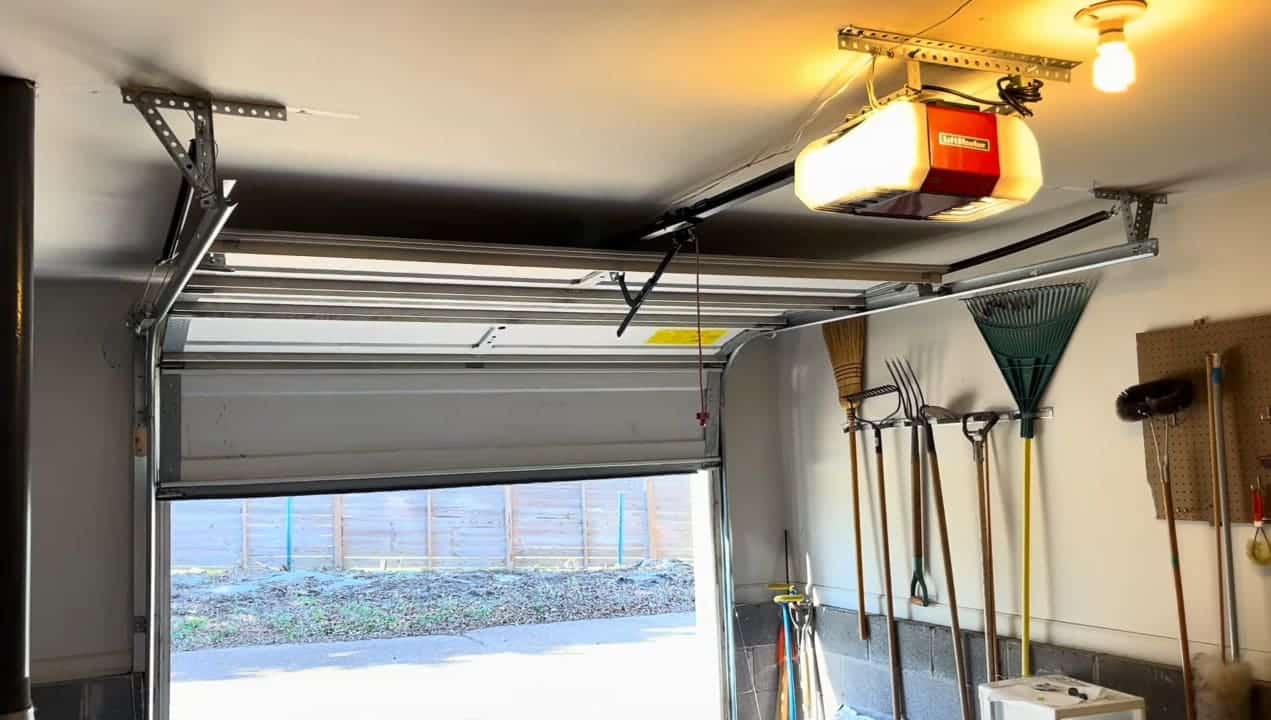
The springs play a critical role in lifting and lowering the garage door. Over time, they can wear out or become unbalanced, causing the door to sag. Inspect the springs for any signs of wear, rust, or damage.
2. Examine the Tracks
Misaligned or damaged tracks can also cause a garage door to sag. Make sure the tracks are properly aligned and free of any debris that could hinder the door’s movement.
3. Inspect the Garage Door Bearings
Bearings help the door move smoothly along the tracks. Worn or damaged bearings can lead to a sagging door. For more information, visit Garage Door Bearings.
4. Check the Pulley System
The pulley system is essential for the operation of your garage door. Inspect the pulleys for wear and ensure they’re functioning correctly. You can learn more about this inspection by visiting Inspect Garage Door Pulley.
5. Look for Corrosion
Corrosion can weaken the structural integrity of your garage door. Check for any signs of rust or corrosion, especially in the hinges and springs. For additional guidance, visit Garage Door Corrosion.
Preventative Measures for a Sagging Garage Door
Prevention is always better than cure. Here are some tips to prevent your garage door from sagging:
Regular Maintenance
Schedule regular maintenance checks with a professional to ensure that all components of your garage door are in good condition.
Lubricate Moving Parts
Lubricating the moving parts of your garage door can reduce friction and wear, helping to prevent sagging.
Balance the Door
Ensure that your garage door is properly balanced to prevent unnecessary strain on the springs and tracks.
When to Call a Professional
While some inspections can be done on your own, it’s important to know when to call a professional. If you notice significant wear or damage, or if you’re unsure about any part of the inspection process, it’s best to consult with a professional. They can provide a thorough inspection and recommend the best course of action.
External Resources
For more insights on the benefits of regular garage door inspections, you can visit Garage Door Inspections.
Frequently Asked Questions (FAQ)
What causes a garage door to sag?
A garage door can sag due to worn-out springs, misaligned tracks, or damaged bearings. Regular maintenance can help prevent these issues.
How often should I inspect my garage door?
It’s recommended to inspect your garage door at least once a year. However, if you notice any signs of sagging, it’s best to conduct an inspection immediately.
Can I fix a sagging garage door by myself?
While some minor adjustments can be done on your own, it’s best to consult a professional for significant repairs to ensure safety and proper function.
This article contains affiliate links. We may earn a commission at no extra cost to you.