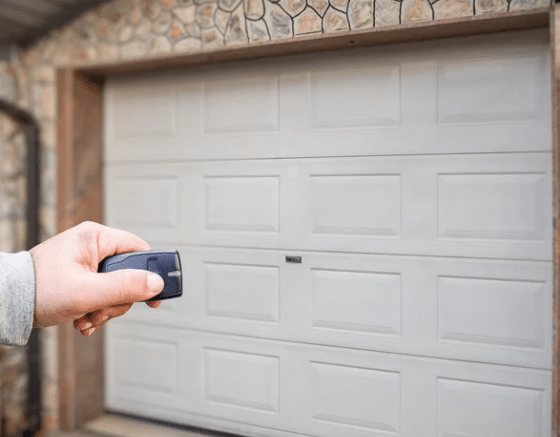
As the seasons change, it’s crucial for homeowners to conduct a thorough garage door inspection for seasonal changes. This process ensures that your garage door functions smoothly and remains in good condition throughout the year. Regular inspections can prevent costly repairs and enhance the longevity of your garage door.
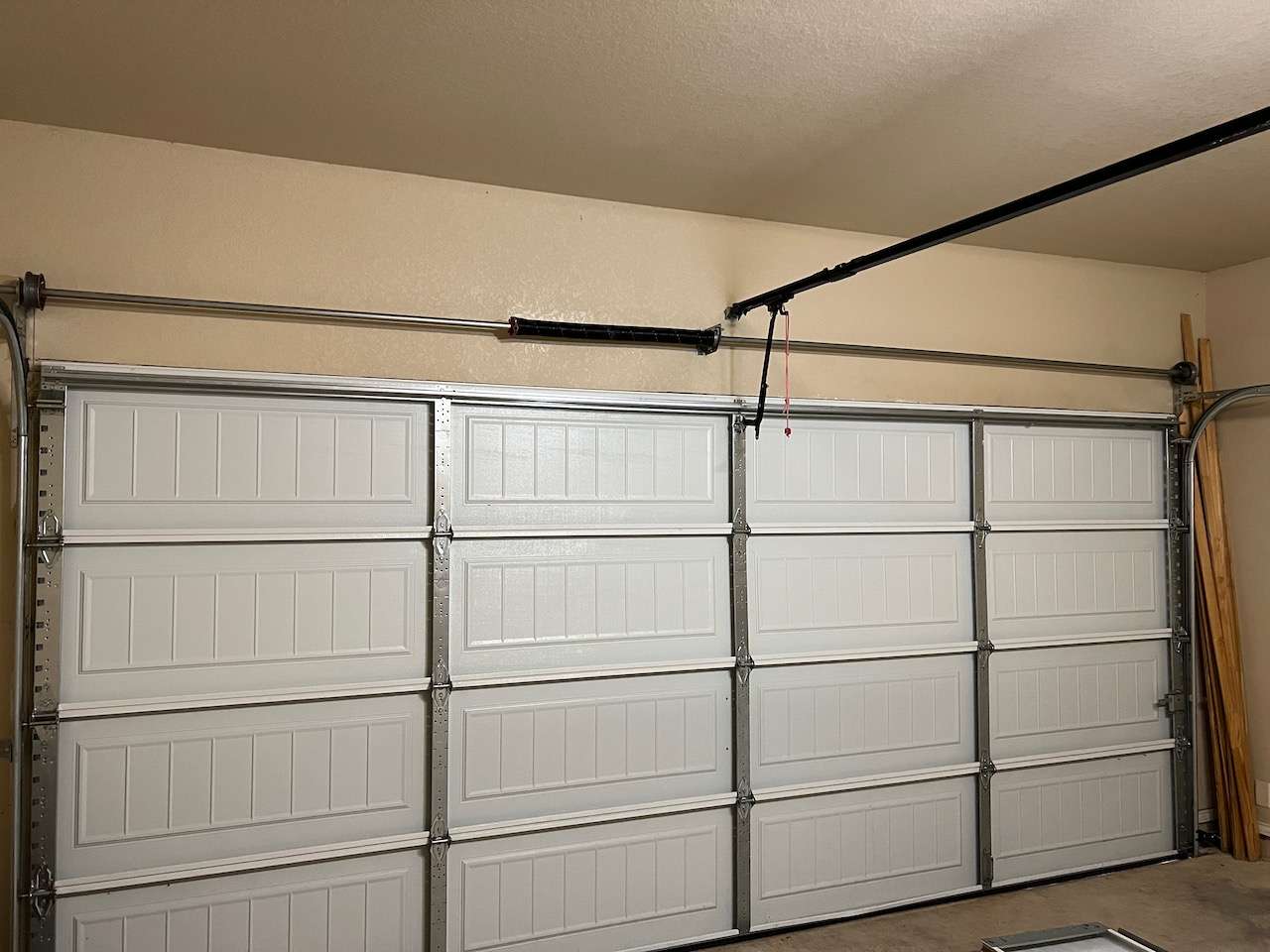
Why Seasonal Inspection is Important
Many homeowners overlook the importance of inspecting their garage doors as seasons shift. Weather conditions can impact the functionality and durability of your garage door. For instance, cold weather can cause metal components to contract, while heat can lead to expansion. These changes can affect your door’s alignment and performance.
Preventive Maintenance
Conducting a seasonal inspection helps you identify potential issues before they become significant problems. By doing so, you can address minor repairs and prevent unexpected breakdowns. This proactive approach saves both time and money in the long run.
Ensuring Safety and Security
Your garage door is one of the main entry points to your home. Regular inspections ensure that all security features function correctly, keeping your home safe from intruders. Moreover, a well-maintained garage door minimizes the risk of accidents and injuries.
Components to Inspect
When performing a garage door inspection for seasonal changes, several key components require attention. It’s essential to check these elements for wear and tear or damage:
1. Garage Door Springs
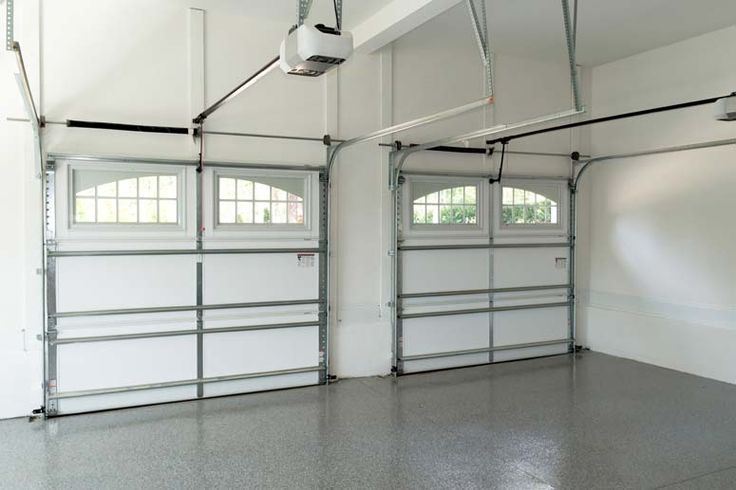
Springs are vital for the smooth operation of your garage door. Examine them for signs of rust or wear. If you notice any issues, consider consulting a professional for repairs.
2. Rollers and Tracks
Inspect the rollers and tracks for debris or obstruction. Clean them thoroughly to ensure smooth operation. Lubricate moving parts to prevent friction and wear.
3. Cables and Pulleys
Check the cables and pulleys for fraying or damage. These components play a critical role in lifting and lowering the door. If you find any issues, replace them promptly.
4. Weather Stripping
Weather stripping helps keep your garage insulated and prevents moisture and pests from entering. Inspect it for cracks or gaps and replace it if necessary.
5. Door Balance
Test the balance of your garage door by disconnecting the opener and manually lifting the door halfway. It should stay in place. If it doesnt, the door may be unbalanced, which can strain the opener.
Seasonal Tips for Garage Door Maintenance
Each season brings unique challenges for your garage door. Here are some tips to keep it in top condition:
Spring
As temperatures rise, inspect your door for signs of winter wear. Clean and lubricate all moving parts to ensure smooth operation.
Summer
Heat can cause expansion in metal components. Check for any misalignments and ensure that the door operates smoothly.
Autumn
Falling leaves and debris can accumulate in the tracks. Clean them regularly to prevent blockages.
Winter
Cold weather can lead to contracting metal components. Ensure that your door is well-lubricated to prevent stiffness.
Professional Inspection: When to Call an Expert
While regular DIY inspections are essential, there are times when professional expertise is required. Consider hiring a professional if you notice persistent issues or if your door hasnt been inspected in over a year. Professionals can provide a comprehensive assessment and address any underlying problems.
Finding a Reliable Professional
When searching for a professional, seek recommendations from friends or read online reviews. Ensure that the professional is licensed and experienced in garage door maintenance.
Professional Tools and Techniques
Professionals have access to specialized tools and techniques that allow them to conduct thorough inspections. They can also recommend the best solutions for any issues they identify.
DIY vs. Professional Inspection
While DIY inspections are cost-effective and convenient, they may not catch all potential issues. Professional inspections offer a more thorough assessment, ensuring that your garage door remains in optimal condition.
Benefits of DIY Inspection
DIY inspections are a great way to familiarize yourself with your garage doors components. They allow you to address minor issues promptly and maintain your doors condition.
Advantages of Professional Inspection
Professional inspections provide peace of mind, knowing that your garage door is thoroughly examined. Experts can identify hidden problems and offer long-term solutions.
Conclusion
Conducting a garage door inspection for seasonal changes is an essential part of home maintenance. Regular inspections ensure that your garage door remains safe, secure, and in good working condition throughout the year. Whether you choose to perform these inspections yourself or hire a professional, staying proactive is key to preventing costly repairs and extending the life of your garage door.
FAQs
1. How often should I perform a garage door inspection?
It’s recommended to conduct a garage door inspection at least twice a year, preferably at the start of spring and autumn.
2. Can I perform garage door maintenance myself?
Yes, homeowners can perform basic maintenance tasks such as cleaning, lubricating, and inspecting components. However, for complex issues, it’s best to consult a professional.
3. What should I do if my garage door makes unusual noises?
If your garage door makes unusual noises, it could indicate a mechanical issue. Inspect the door for any visible problems or consider hiring a professional for a detailed examination.
For more tips on maintaining your garage door, visit check garage door corrosion and professional inspection signs.
This article contains affiliate links. We may earn a commission at no extra cost to you.