Experiencing a slow-moving garage door can be frustrating and inconvenient, especially when you’re in a hurry. A garage door inspection for slow operation is crucial to identify the root cause and ensure the longevity and smooth functioning of your garage door. Regular inspections can save you from unexpected breakdowns and costly repairs. In this article, we will explore the essential aspects of inspecting your garage door, focusing on diagnosing slow operation issues.
Understanding the Importance of Regular Garage Door Inspections
Many homeowners overlook the importance of regular garage door inspections, but they play a vital role in maintaining the safety and efficiency of your home. A well-maintained garage door not only provides security but also enhances the overall aesthetic appeal and value of your property. Ignoring minor issues can lead to significant problems over time, resulting in costly repairs or even replacement. By conducting regular inspections, you can identify potential issues early on and address them promptly.
Signs Your Garage Door Needs an Inspection
Recognizing the signs that indicate your garage door needs an inspection is crucial for preventing further damage. Some common indicators of issues include:
1. Slow or Uneven Movement
If your garage door moves slowly or stops midway, it could be a sign of underlying problems. Inspecting the door’s components can help identify the cause of the slow operation.
2. Unusual Noises
Grinding or scraping noises during operation may indicate issues with the door’s mechanical parts. Regular inspections can help pinpoint the source of the noise and prevent further damage.
3. Sagging or Misaligned Door
A sagging or misaligned garage door can lead to gaps, compromising security and insulation. An inspection can identify the cause and provide solutions to fix the alignment.
4. Faulty Sensors
Garage doors equipped with safety sensors may malfunction, causing slow operation or failure to close properly. An inspection can help ensure the sensors are functioning correctly.
Steps to Conduct a Thorough Garage Door Inspection
Performing a comprehensive garage door inspection involves examining various components to identify potential issues. Here’s a step-by-step guide:
1. Visual Inspection
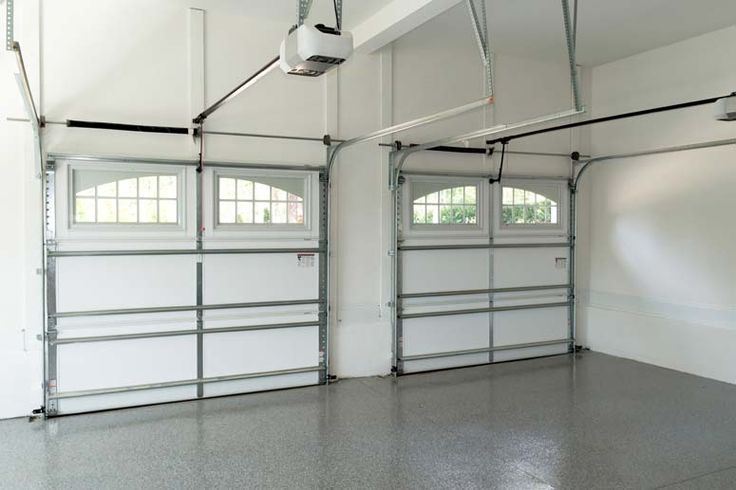
Start by visually inspecting the garage door and its components. Look for any signs of wear, damage, or misalignment. Pay attention to the door’s tracks, rollers, springs, and cables.
2. Testing the Balance
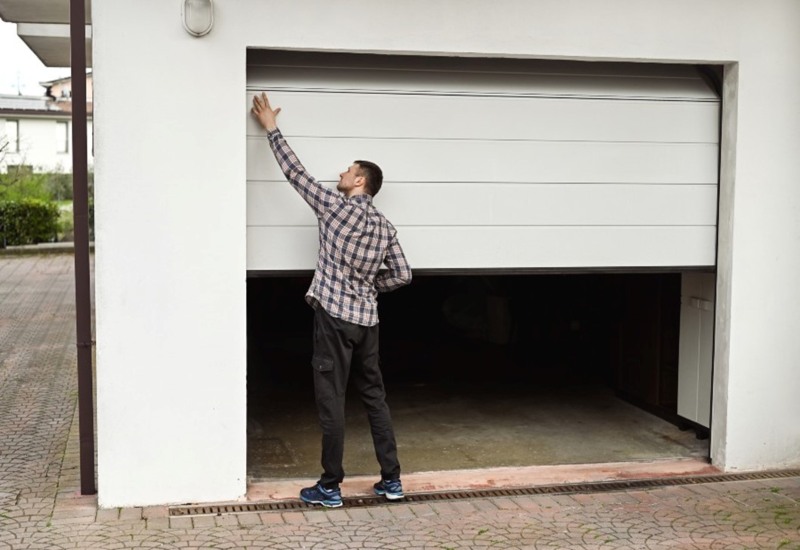
Check the balance of your garage door. Disconnect the opener and manually lift the door halfway. If it stays in place, the door is balanced. If it falls or rises, the springs may need adjustment.
3. Lubrication
Regular lubrication of the door’s moving parts can prevent slow operation. Use a silicone-based lubricant on the tracks, rollers, and hinges to ensure smooth movement.
4. Sensor Alignment
Ensure the safety sensors are aligned and functioning correctly. Clean any debris blocking the sensors and adjust their alignment if necessary.
Common Causes of Slow Garage Door Operation
Several factors can contribute to the slow operation of a garage door. Understanding these causes can help you address the issue effectively:
1. Worn or Damaged Springs
Springs play a crucial role in lifting and lowering the garage door. Over time, they can wear out or become damaged, leading to slow operation. Regular inspections can identify worn springs early on.
2. Malfunctioning Opener
A faulty garage door opener can cause slow operation or failure to open and close properly. Inspecting the opener’s motor and gears can help determine if repairs or replacement are needed.
3. Misaligned Tracks
Tracks that are misaligned or obstructed by debris can hinder the smooth operation of the garage door. Regular cleaning and alignment checks can prevent this issue.
4. Lack of Lubrication
Insufficient lubrication can lead to increased friction and slow movement of the garage door. Regularly lubricating the door’s components can ensure smooth operation.
Preventive Measures to Maintain Optimal Garage Door Performance
Implementing preventive measures can help maintain the optimal performance of your garage door and prevent slow operation:
1. Regular Maintenance
Schedule regular maintenance with a professional garage door technician to inspect and service your door. This can help identify potential issues early on and ensure the door operates smoothly.
2. Keep the Tracks Clean
Regularly clean the tracks to prevent debris buildup. Use a soft cloth and mild detergent to remove dirt and grime.
3. Test the Auto-Reverse Feature
Ensure the auto-reverse feature is functioning correctly. Place an object in the door’s path and test if it reverses upon contact.
For more detailed guidance on how to conduct a garage door inspection, you can refer to this external resource.
When to Call a Professional
While regular inspections can help identify minor issues, some problems may require the expertise of a professional garage door technician. If you notice significant damage, such as broken springs or cables, it’s essential to call a professional for repairs. Attempting to fix complex issues on your own can be dangerous and may cause further damage.
For those living in specific climates, such as hot regions, it’s crucial to consider how environmental factors can affect your garage door. You can learn more about inspections for hot climates to ensure your door is well-maintained.
Conclusion
Regular garage door inspections are essential for maintaining the safety, efficiency, and longevity of your garage door. By understanding the signs of slow operation and addressing them promptly, you can prevent costly repairs and ensure your door functions smoothly. Implementing preventive measures and scheduling regular maintenance with a professional can help you achieve optimal performance. Remember that a well-maintained garage door not only enhances the safety of your home but also adds value and curb appeal.
Frequently Asked Questions
1. How often should I inspect my garage door?
It’s recommended to inspect your garage door at least twice a year. Regular inspections can help identify potential issues early on and prevent costly repairs.
2. Can I perform a garage door inspection myself?
Yes, you can perform a basic garage door inspection yourself. However, for more complex issues, it’s best to consult a professional technician.
3. What should I do if my garage door is making unusual noises?
If your garage door is making unusual noises, it’s essential to inspect the mechanical parts for wear or damage. Regular lubrication can also help reduce noise and ensure smooth operation.
This article contains affiliate links. We may earn a commission at no extra cost to you.