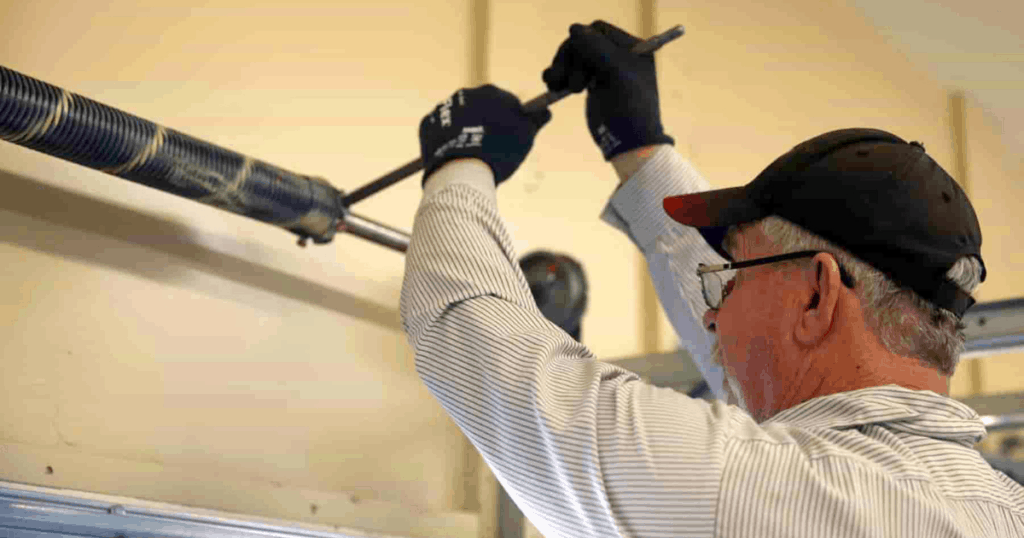
When it comes to the safety and functionality of your home, conducting a regular garage door inspection for weak springs is essential. This process not only ensures the seamless operation of your garage door but also safeguards against potential hazards. Weak springs can lead to various issues, including the door not opening or closing properly, which can compromise your home’s security.
In this comprehensive guide, we will delve into the importance of inspecting garage door springs, the signs of weak springs, and how to address these issues effectively. By the end of this article, you’ll be equipped with the knowledge to maintain your garage door in top condition.
Understanding the Importance of Garage Door Springs
Garage door springs play a crucial role in the operation of your garage door. They bear the weight of the door, allowing it to open and close smoothly. Without properly functioning springs, your garage door may become difficult or even impossible to operate, posing a safety risk.
Types of Garage Door Springs
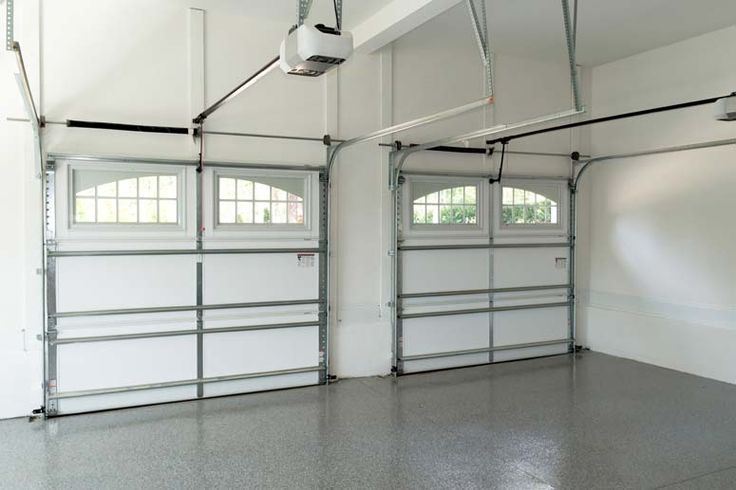
There are two main types of garage door springs: torsion springs and extension springs. Torsion springs are mounted above the door, while extension springs are located on either side of the door. Each type has its unique characteristics and requires specific maintenance.
Signs of Weak Garage Door Springs
Recognizing the signs of weak springs is vital for preventing further damage. Here are some indicators that your garage door springs may need attention:
- Difficulty opening or closing: If your garage door struggles to open or close, it could be a sign of weak springs.
- Uneven door movement: A door that moves unevenly or appears crooked may have compromised springs.
- Visible wear and tear: Inspect the springs for signs of rust, corrosion, or visible gaps.
Conducting a Garage Door Inspection
A thorough garage door inspection involves several steps to ensure the springs and other components are in good condition. Here’s a step-by-step guide:
Visual Inspection
Start with a visual inspection of the springs. Look for signs of wear, such as rust, gaps, or a stretched appearance. If you notice any of these signs, it’s time to take action.
Balance Test
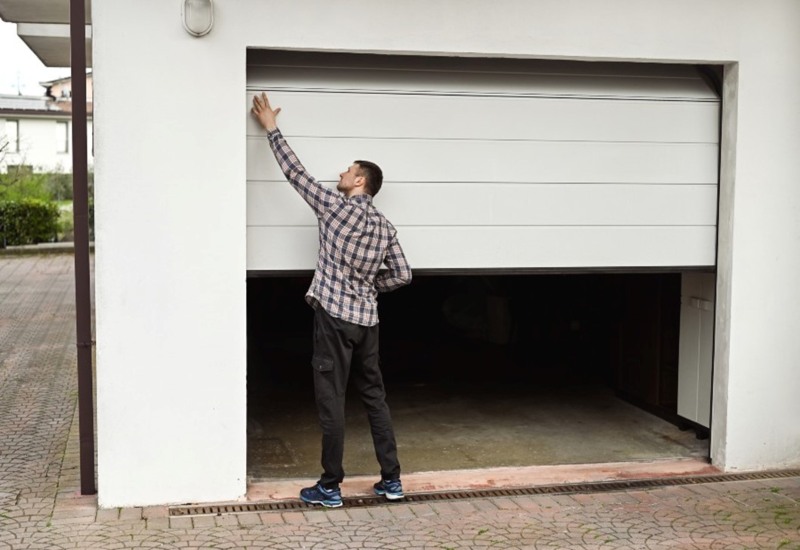
Conduct a balance test by disconnecting the garage door opener and manually lifting the door halfway. If the door stays in place, the springs are likely in good condition. However, if the door falls or struggles to stay open, you may have weak springs.
Listen for Unusual Noises
Listen for unusual noises during operation, such as squeaking or grinding. These sounds can indicate spring issues that need addressing.
Addressing Weak Springs
If you identify weak springs during your inspection, it’s crucial to address the issue promptly. Here’s what you can do:
Professional Assistance
Hiring a professional garage door technician is often the best solution for dealing with weak springs. They have the expertise and tools to safely replace or repair springs, ensuring your garage door operates smoothly.
Regular Maintenance
Regular maintenance can help prevent weak springs in the first place. Lubricate the springs and check for wear periodically to prolong their lifespan.
Safety Precautions
Working with garage door springs can be dangerous due to the high tension they hold. It’s essential to prioritize safety and, when in doubt, seek professional help.
When to Consider Replacement
In some cases, replacing the springs may be necessary. If the springs are severely damaged or worn out, replacement is the safest option to restore your garage door’s functionality.
Preventing Future Issues
To prevent future issues with your garage door springs, consider implementing a regular maintenance schedule. This proactive approach can save you time and money in the long run.
Inspecting Other Components
While focusing on the springs, don’t forget to inspect other garage door components, such as cables, rollers, and tracks, to ensure a well-functioning system.
Conclusion
Regular garage door inspection for weak springs is a critical aspect of home maintenance. By identifying and addressing weak springs promptly, you can ensure the safety and functionality of your garage door. Remember, when in doubt, consult a professional for expert assistance.
FAQs
How often should I inspect my garage door springs?
It’s recommended to inspect your garage door springs at least twice a year to catch any issues early.
Can I replace garage door springs myself?
While it’s possible, it’s not recommended due to the high tension involved. Hiring a professional ensures safety and proper installation.
What is the lifespan of garage door springs?
Garage door springs typically last around 7-9 years, depending on usage and maintenance.
For more information, you can visit this Garage Door Inspection for Squeaking Sounds or check out the [NACHI forum](https://forum.nachi.org/t/garage-door-inspection-dasma-guide/153897) for professional insights on garage door inspections.
This article contains affiliate links. We may earn a commission at no extra cost to you.