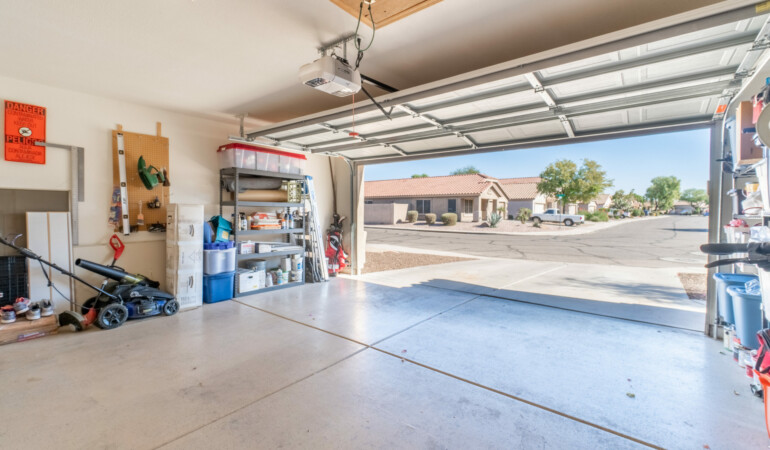
As the cold months approach, ensuring that your home is prepared for winter is essential. One critical aspect that homeowners should not overlook is the garage door inspection for winter weather. A thorough inspection can prevent potential damage, save you money, and ensure your garage door functions optimally throughout the season. In this article, we’ll cover everything you need to know about inspecting your garage door as winter approaches.
Why Is Winter Garage Door Inspection Important?
Winter weather can be harsh on your garage door. Cold temperatures, snow, and ice can all lead to various issues such as freezing, mechanical failures, and even structural damage. Conducting a winter garage door inspection helps you identify and address these problems before they escalate. This proactive approach can save you from costly repairs and ensure your garage door remains operational throughout the winter.
Preparing for the Inspection
Gathering Necessary Tools
Before you start your inspection, gather the necessary tools. You will need a wrench, a screwdriver, lubricant, and a ladder. These tools will help you tighten loose bolts, lubricate moving parts, and inspect hard-to-reach areas.
Ensuring Safety
Safety should always be a priority when inspecting your garage door. Make sure to disconnect the power source to prevent any accidental activation. Wear safety gloves and goggles to protect yourself from any potential hazards.
Key Areas to Inspect
Check the Weather Stripping
The weather stripping at the bottom of your garage door is crucial in keeping cold air and moisture out. Inspect it for any signs of wear or damage. If it’s cracked or brittle, replace it promptly to maintain a good seal.
Examine the Door Balance
A balanced garage door operates smoothly and puts less strain on the opener. To check the balance, disconnect the opener and manually lift the door halfway. If it stays in place, it’s balanced. If it falls, you may need to adjust the tension.
Inspect the Springs and Cables
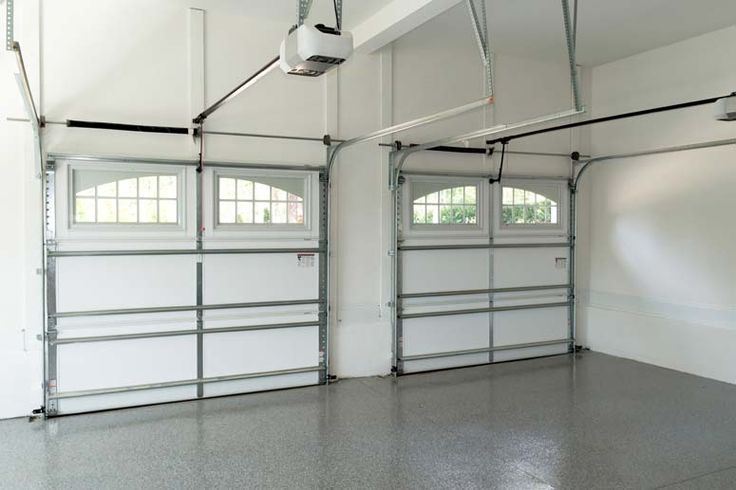
Your garage door springs and cables are under high tension and can be dangerous if not handled correctly. Look for signs of wear, rust, or fraying. If you notice any issues, contact a professional for repairs.
Lubricate Moving Parts
Cold weather can cause metal parts to contract and seize. Apply lubricant to hinges, rollers, and tracks to ensure smooth operation. Avoid using grease as it can thicken in cold temperatures.
Testing the Garage Door Opener
Ensure your garage door opener is functioning correctly by testing its responsiveness. Check the remote control and wall switch. If there are any delays or malfunctions, troubleshoot the issue or consult a professional.
Addressing Common Winter Issues
Dealing with Frozen Garage Doors
If your garage door freezes to the ground, avoid forcing it open as this can cause damage. Use a heat source, like a hairdryer, to melt the ice gently. Consider applying a silicone-based lubricant to prevent future freezing.
Preventing Rust and Corrosion
Winter moisture can lead to rust and corrosion on metal components. Regularly inspect your garage door for signs of rust and apply a protective coating to vulnerable areas. Learn more about garage door corrosion prevention.
When to Seek Professional Help
If you encounter complex issues during your inspection, it’s best to seek professional help. Experts can provide a comprehensive assessment and address any problems you may have missed. They can also offer valuable advice on maintaining your garage door throughout the winter.
Conclusion
A garage door inspection for winter weather is a crucial step in ensuring that your garage door operates smoothly and efficiently throughout the cold months. By following the steps outlined in this article, you can address potential issues before they become costly problems. Remember, safety first, and don’t hesitate to consult a professional if needed.
FAQ Section
Why does my garage door freeze in winter?
Garage doors can freeze due to moisture accumulation and low temperatures. Applying a silicone-based lubricant can help prevent this issue.
How often should I lubricate my garage door?
It’s recommended to lubricate your garage door every six months, especially before winter, to ensure smooth operation.
Can I inspect the garage door springs myself?
While you can visually inspect garage door springs, it’s advisable to have a professional handle any repairs or adjustments, as they can be dangerous.
This article contains affiliate links. We may earn a commission at no extra cost to you.