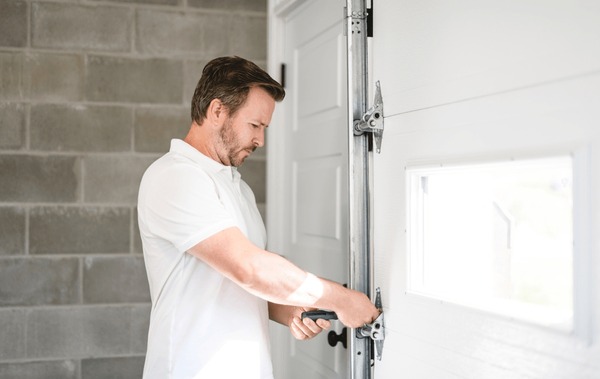
When it comes to maintaining a safe and functional home, regular garage door inspection for worn bearings is crucial. Many homeowners often overlook this vital aspect of garage door maintenance, leading to costly repairs and potential safety hazards. In this article, we’ll explore the importance of inspecting garage door bearings, how to identify signs of wear, and the steps you can take to ensure your garage door operates smoothly.
Understanding the Role of Bearings in a Garage Door
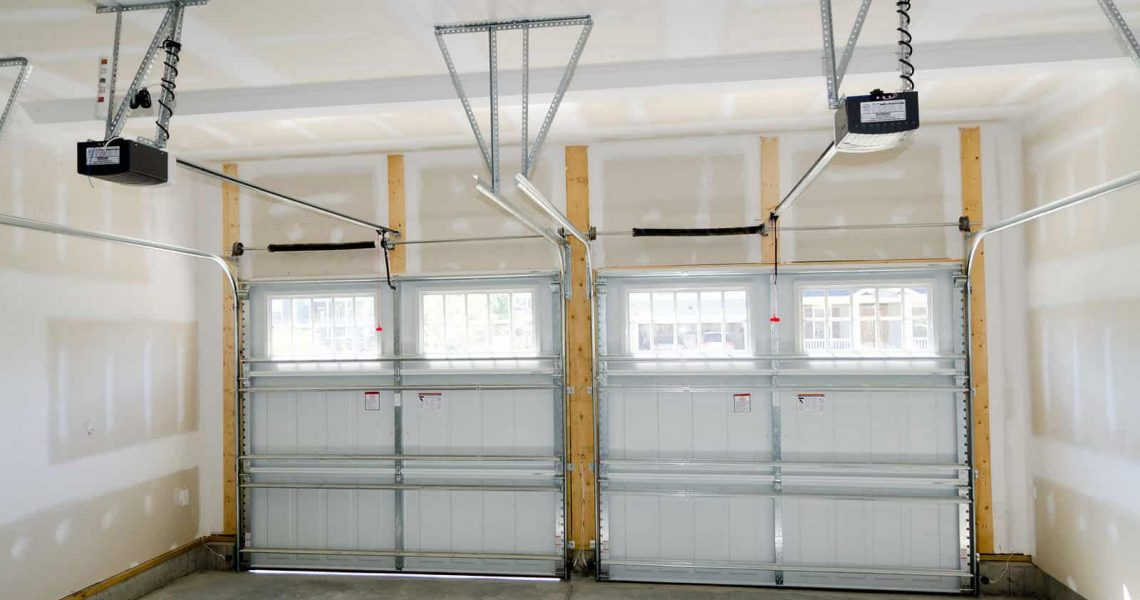
Bearings are essential components of a garage door system. They facilitate smooth movement by reducing friction between moving parts. Over time, bearings can wear out due to regular use, environmental factors, and lack of maintenance. A worn bearing can lead to noisy operation, uneven movement, and even structural damage to your garage door.
Signs of Worn Bearings
Noisy Operation
One of the most common signs of worn bearings is a noisy garage door. If you notice grinding, squeaking, or rattling sounds during operation, it’s time to inspect the bearings. Squeaking sounds often indicate lubrication issues or worn bearings.
Uneven Movement
If your garage door moves unevenly or gets stuck during operation, worn bearings might be the culprit. This issue can cause strain on other components, leading to further damage if not addressed promptly.
Visible Wear and Tear
Inspect the bearings visually for signs of wear and tear. Look for cracks, rust, or any other visible damage. Regular garage door inspection can help identify these issues before they escalate.
Steps for Garage Door Inspection for Worn Bearings
1. Visual Inspection
Start by visually inspecting the garage door components. Check the bearings for any visible signs of damage. If you notice any issues, it’s advisable to consult a professional for further evaluation.
2. Listen for Unusual Sounds
Operate the garage door and listen for any unusual sounds. Pay attention to grinding or squeaking noises, as they might indicate worn bearings.
3. Test Door Balance
Disconnect the garage door opener and manually operate the door. If the door doesn’t stay open or closed, it might be a sign of worn bearings affecting the door’s balance.
4. Lubricate the Bearings
Regular lubrication can prevent wear and tear on bearings. Use a high-quality lubricant to ensure smooth operation. If you’re unsure how to lubricate the bearings, consider hiring a professional for assistance.
Benefits of Regular Garage Door Inspection
Regular garage door inspection offers several benefits, including:
- Increased Safety: Identifying and addressing worn bearings can prevent accidents and injuries.
- Cost Savings: Early detection of issues can save you money on costly repairs.
- Extended Lifespan: Proper maintenance extends the lifespan of your garage door and its components.
Professional Garage Door Inspection
While some homeowners may feel confident conducting garage door inspections themselves, others may prefer to hire a professional. A trained technician can thoroughly evaluate your garage door system, identify any issues, and provide recommendations for repairs or maintenance.
When to Call a Professional
If you notice any of the following issues, it’s best to consult a professional:
- Persistent noise during operation
- Uneven door movement
- Visible damage to bearings
- Difficulty operating the door manually
For more information on professional inspections, visit garage door inspection for tenants.
DIY Garage Door Inspection Tips
If you decide to conduct a garage door inspection yourself, follow these tips:
- Ensure the garage door is closed before starting.
- Use the correct tools and safety gear.
- Follow manufacturer guidelines for maintenance.
- Don’t hesitate to call a professional if you’re unsure about any aspect of the inspection.
For a detailed DIY guide, check out this DIY garage door inspection checklist.
Conclusion
Regular garage door inspection for worn bearings is essential for maintaining the safety and functionality of your garage door. By identifying and addressing issues early, you can prevent costly repairs and ensure your garage door operates smoothly. Whether you choose to inspect the door yourself or hire a professional, taking proactive measures can extend the lifespan of your garage door and keep your home safe.
FAQ
How often should I inspect my garage door bearings?
It’s recommended to inspect your garage door bearings at least once a year, or more frequently if you notice any unusual sounds or issues.
Can I replace worn bearings myself?
While some homeowners may feel comfortable replacing worn bearings themselves, it’s often best to hire a professional to ensure the job is done correctly.
What are the risks of ignoring worn bearings?
Ignoring worn bearings can lead to increased wear and tear on your garage door system, resulting in costly repairs and potential safety hazards.
This article contains affiliate links. We may earn a commission at no extra cost to you.