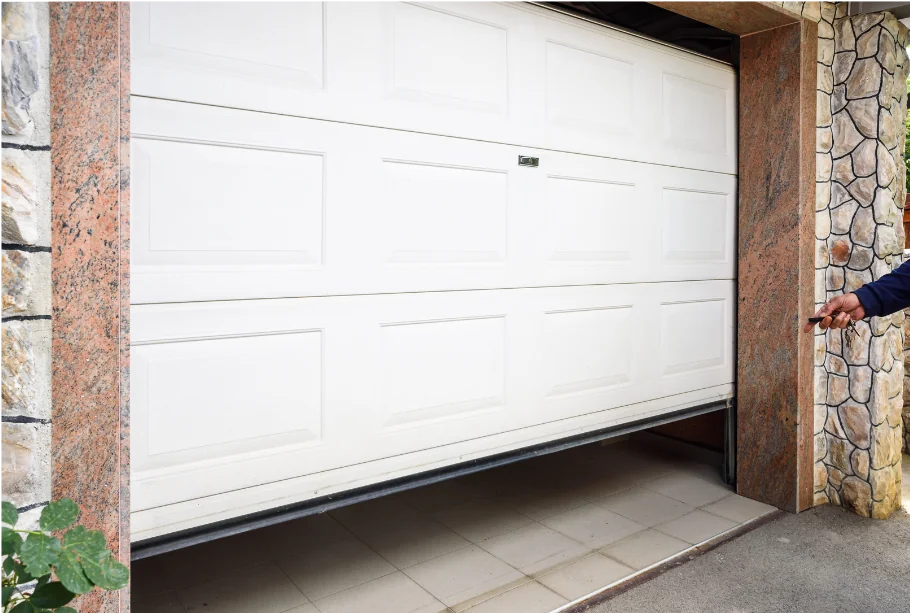
Your garage door is more than just an entrance to your home; it’s a vital component of your home’s security and functionality. Ensuring its safety and efficiency should be a top priority for every homeowner. In this article, we will delve into essential garage door inspection safety tips to keep your garage door in optimal condition.
Why Regular Garage Door Inspections Are Crucial
A garage door is used multiple times a day, and over time, wear and tear are inevitable. Regular inspections help identify potential problems early, preventing costly repairs and ensuring the safety of your family and belongings.
1. Visual Inspection of Door Panels
Begin your inspection by examining the door panels for any visible damage, such as cracks or dents. These can affect the door’s integrity and operation. If you notice any issues, consider consulting a professional for repair.
2. Testing the Balance
A well-balanced garage door is crucial for smooth operation. Disconnect the opener by pulling the emergency release handle and manually lift the door halfway. If it stays in place, it’s balanced. If it moves up or down, it’s time to adjust the springs.
3. Checking the Springs
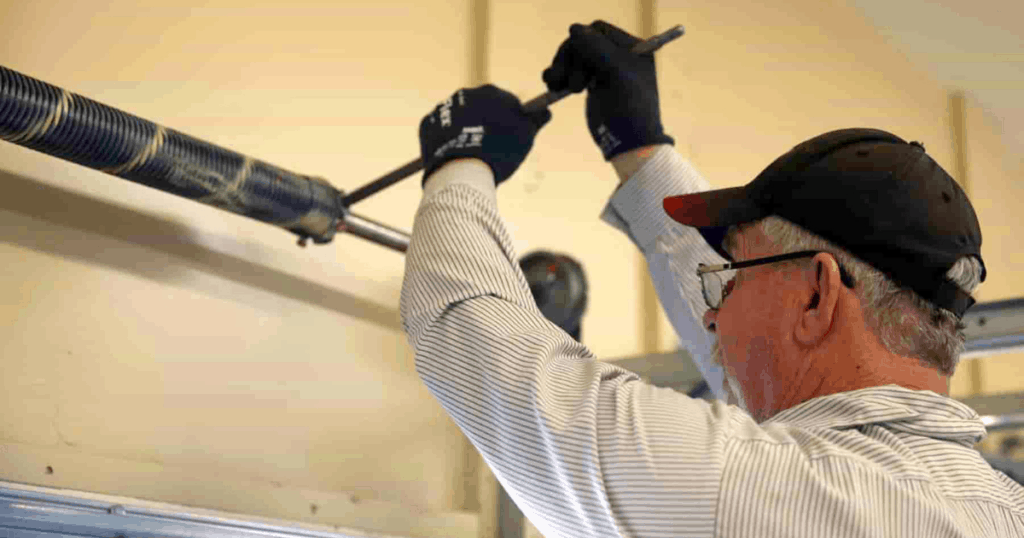
Garage door springs are under high tension and can be dangerous if not handled correctly. Inspect them for signs of wear or damage but avoid adjusting them yourself. It’s best to contact a professional if you suspect any issues.
Lubrication: The Key to Smooth Operation
Proper lubrication of moving parts is essential for the longevity and efficiency of your garage door. Use a silicone-based lubricant on the springs, rollers, and hinges to reduce friction and noise.
4. Inspecting the Rollers
Rollers help the door move smoothly along the tracks. Check them for wear or damage and replace them if necessary. Nylon rollers are a quieter and more durable option compared to metal ones.
5. Examining the Tracks
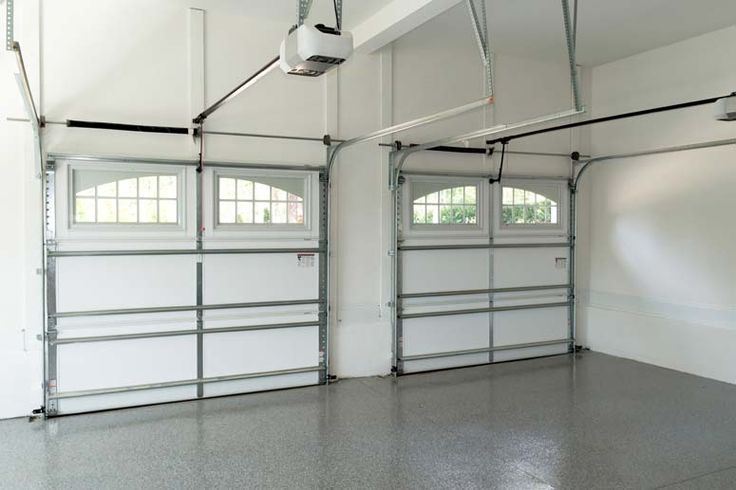
Ensure the tracks are free of debris and properly aligned. Misaligned tracks can cause the door to operate unevenly, leading to further damage. Tighten any loose bolts and brackets to keep the tracks secure.
Testing Safety Features
Modern garage doors come with safety features designed to prevent accidents. Regular testing of these features ensures they function correctly.
6. Photo Eye Test
The photo eyes are sensors located on either side of the door, about six inches off the ground. They detect objects in the door’s path and stop it from closing. Test them by waving an object in front of them while the door is closing. If the door doesn’t reverse, clean the lenses and realign them.
7. Auto-Reverse Mechanism
Place a piece of wood or a sturdy object in the door’s path and close the door. It should reverse upon contact. If it doesn’t, adjust the settings or consult a professional for assistance.
Weather Stripping and Insulation
Inspect the weather stripping along the bottom of the door. It should be intact to prevent drafts and pests from entering. Replace any damaged weather stripping as needed. Additionally, consider adding insulation to improve energy efficiency.
8. Testing the Remote Control
Check the remote control for proper functionality. Replace the batteries if necessary and ensure the signal reaches the opener. If you experience any issues, consult the user manual or a professional for assistance.
Security Enhancements
Enhancing the security of your garage door can protect your home from unauthorized access.
9. Changing Access Codes
Periodically change the access codes for your garage door opener to prevent unauthorized entry. Refer to the manufacturer’s instructions for guidance.
10. Securing the Emergency Release
Install a manual lock or zip tie on the emergency release handle to prevent potential intruders from using it to gain access to your garage.
When to Seek Professional Help
While regular maintenance can be done by homeowners, certain tasks require professional expertise.
11. Spring Replacement
Replacing garage door springs is a complex task that should only be performed by a trained technician. Attempting it yourself can lead to serious injury.
12. Opener Repairs
If your garage door opener is malfunctioning, it’s best to consult a professional to diagnose and repair the issue. They have the necessary tools and expertise to handle complex repairs.
13. Panel Replacement
Severely damaged panels may need to be replaced to maintain the door’s integrity and appearance. A professional can ensure the replacement is done correctly.
Regular Maintenance Schedule
Establishing a regular maintenance schedule can prolong the life of your garage door and prevent unexpected failures.
14. Monthly Checks
Perform monthly checks of the door’s operation, balance, and safety features. Regular inspections can catch minor issues before they become major problems.
15. Annual Professional Inspection
Schedule an annual professional inspection to ensure all components are in good working order. A professional can identify potential issues and provide necessary maintenance.
Conclusion
By following these garage door inspection safety tips, you can ensure your garage door remains safe, efficient, and reliable. Regular inspections and maintenance are key to preventing costly repairs and ensuring the safety of your home and family. For more detailed guidance on garage door inspections, consider reaching out to a professional service.
Frequently Asked Questions
How often should I perform a garage door inspection?
It’s recommended to perform a basic inspection monthly and schedule a professional inspection annually to ensure optimal performance and safety.
What should I do if my garage door is making unusual noises?
Unusual noises can indicate issues with lubrication, rollers, or springs. Perform a visual inspection and lubrication, and if the problem persists, consult a professional.
Can I replace garage door springs myself?
Replacing garage door springs is a dangerous task that should only be performed by a trained professional to avoid injury.
This article contains affiliate links. We may earn a commission at no extra cost to you.