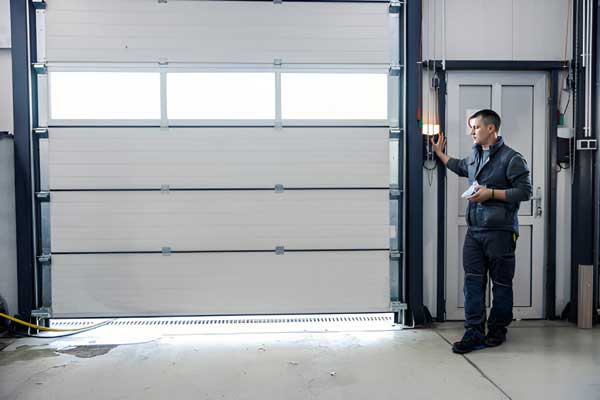
Performing regular garage door inspections is crucial for maintaining the safety and functionality of your garage door. As a homeowner, understanding the basics of garage door inspection tips DIY can save you both time and money. This guide will walk you through the essential steps to ensure your garage door is in top shape, helping you avoid costly repairs and potential hazards.
Why Regular Garage Door Inspections Matter
Regular inspections can prevent accidents and extend the lifespan of your garage door. A malfunctioning garage door can pose significant safety risks. By conducting routine inspections, you can identify and address issues before they become severe.
Key Benefits of DIY Garage Door Inspections
- Cost Savings: Regular checks can help avoid expensive professional repairs.
- Safety: Ensures the door operates safely, protecting your family and property.
- Longevity: Extends the lifespan of your garage door components.
Tools Needed for Inspection
Before you begin your DIY garage door inspection, gather the necessary tools. You’ll need:
- Screwdrivers
- Wrench set
- Lubricant spray
- Measuring tape
- Step ladder
Step-by-Step Garage Door Inspection Tips
Visual Inspection
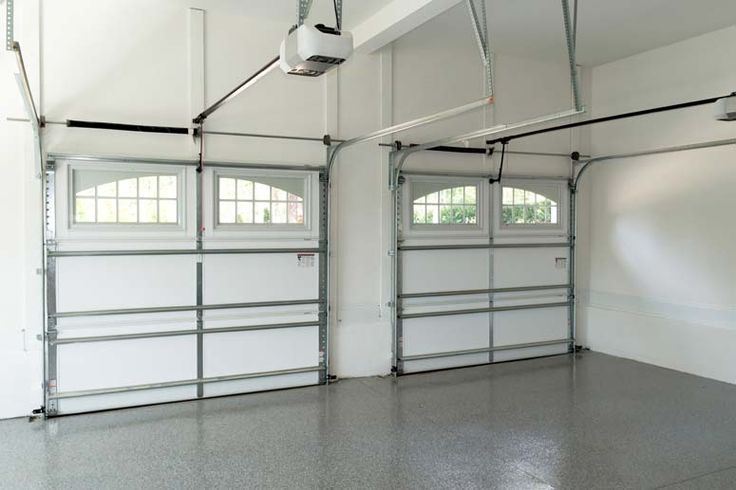
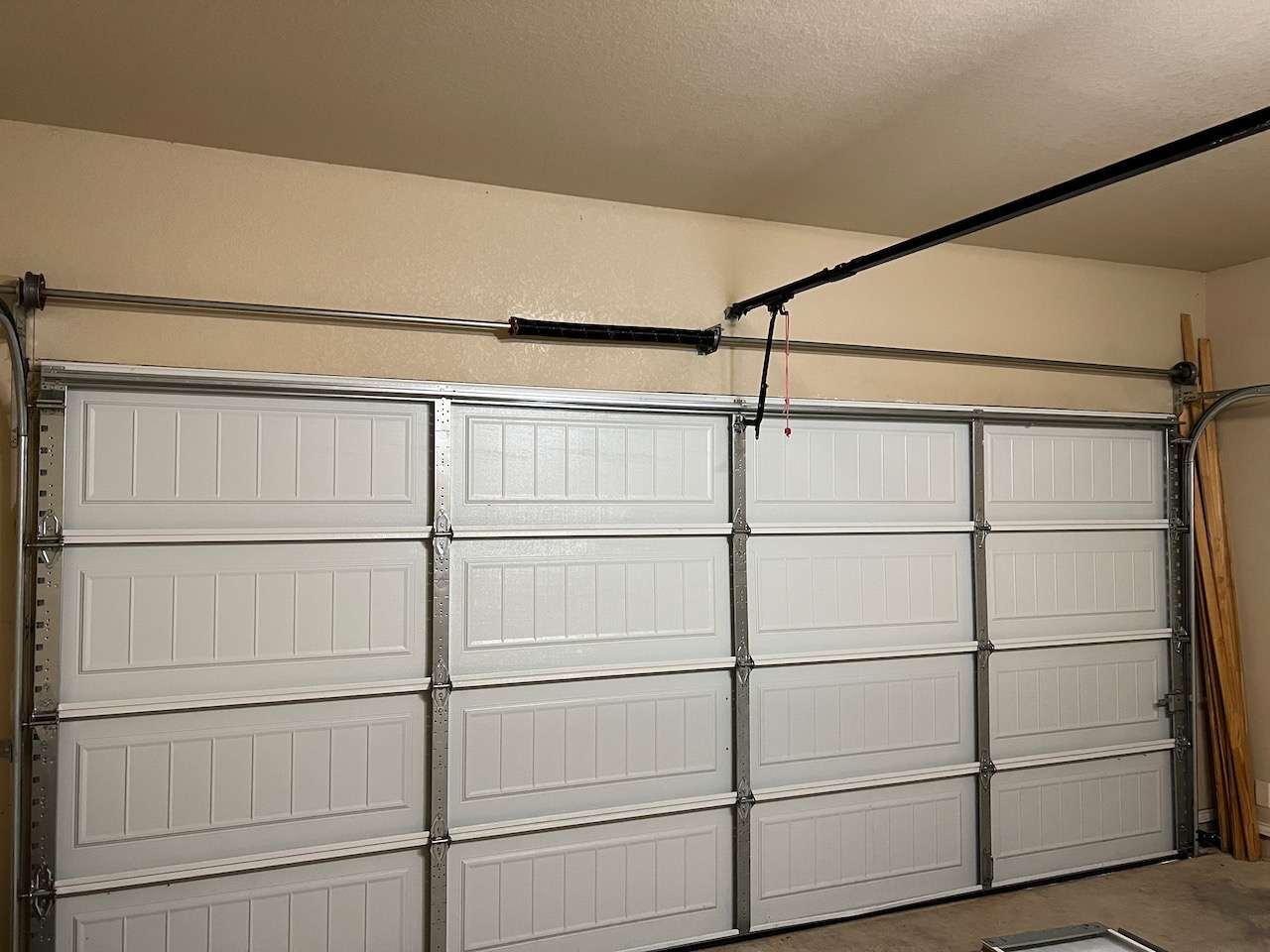
Start by visually inspecting the entire garage door system. Look for signs of wear and tear, rust, or damage on the panels, springs, and tracks.
Check Garage Door Balance
Disconnect the automatic opener. Manually lift the door halfway and release. If it stays in place, it’s balanced. Otherwise, it may need adjustment.
Inspect Springs and Cables
Examine the springs and cables for signs of wear. These components are crucial for the door’s operation and should be in good condition.
Test Auto-Reverse Feature
Place an object in the door’s path and close it. The door should automatically reverse upon contact. If not, this feature needs servicing.
Lubricate Moving Parts
Apply lubricant to rollers, hinges, and tracks to ensure smooth operation. This reduces friction and wear on moving parts.
Common Issues and Troubleshooting
Noisy Operation
If your garage door is noisy, it might need lubrication or tighter hardware. Check the nuts and bolts on the tracks and tighten them if necessary.
Slow Response Time
If the door responds slowly, check the batteries in the remote and the condition of the sensors. Clean the sensor lenses to ensure they function correctly.
Door Does Not Open or Close
This could be due to a disruption in the power supply, a problem with the remote, or issues with the opener system. Ensure the opener is plugged in and check the circuit breaker.
When to Call a Professional
While DIY garage door inspections can handle many issues, some problems require professional expertise. Consider hiring a pro if you encounter:
- Broken springs or cables
- Significant structural damage
- Complex mechanical issues
For more information on when to seek professional help, check out this guide on professional inspections.
Enhancing Garage Door Security
In addition to regular inspections, enhancing your garage door’s security is crucial. Consider installing smart technology for better control and monitoring. For more tips, visit our article on garage door activity monitoring.
Conclusion
By following these garage door inspection tips DIY, you can maintain your garage door’s performance and safety. Regular inspections and maintenance will save you from unexpected failures and ensure your garage remains secure.
FAQs about Garage Door Inspections
How often should I inspect my garage door?
It’s recommended to conduct a thorough inspection at least twice a year.
Can I repair garage door springs myself?
Due to the high tension, it’s best to hire a professional for spring repairs.
What is the most common problem with garage doors?
Common issues include misaligned tracks, worn-out springs, and sensor malfunctions.
This article contains affiliate links. We may earn a commission at no extra cost to you.