When it comes to home improvement, garage door insulation and air sealing often top the list of priorities for homeowners. Not only do these enhancements contribute to energy efficiency, but they also play a vital role in maintaining a comfortable home environment. In this article, we will explore why these steps are crucial and how you can implement them effectively.
Why Insulate Your Garage Door?
Insulating your garage door can lead to numerous benefits. Firstly, it helps in reducing energy costs by maintaining the indoor temperature, which means your heating and cooling systems won’t have to work as hard. Additionally, it provides a more comfortable space if you use your garage as a workshop or recreation area.
Understanding Air Sealing
Air sealing involves sealing all the gaps and cracks around your garage door to prevent air from escaping or entering. This is crucial for maintaining a stable temperature and improving the overall energy efficiency of your home.
Types of Garage Door Insulation Materials
There are several materials available for garage door insulation, each with its own set of advantages:
Foam Board
Foam board is lightweight and offers high insulation value. It’s easy to cut and install, making it a popular choice among homeowners.
Reflective Insulation
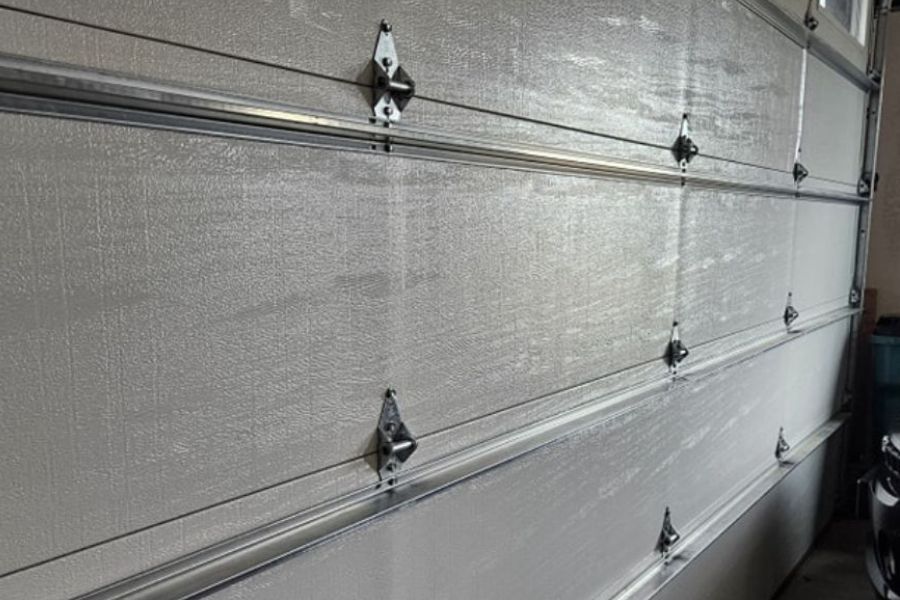
This type of insulation works by reflecting heat away from the garage door, which is particularly beneficial in hot climates.
Batt Insulation
Batt insulation is made from fiberglass and is effective in maintaining temperature control. However, it requires a moisture barrier to prevent mold growth.
Steps to Insulate Your Garage Door
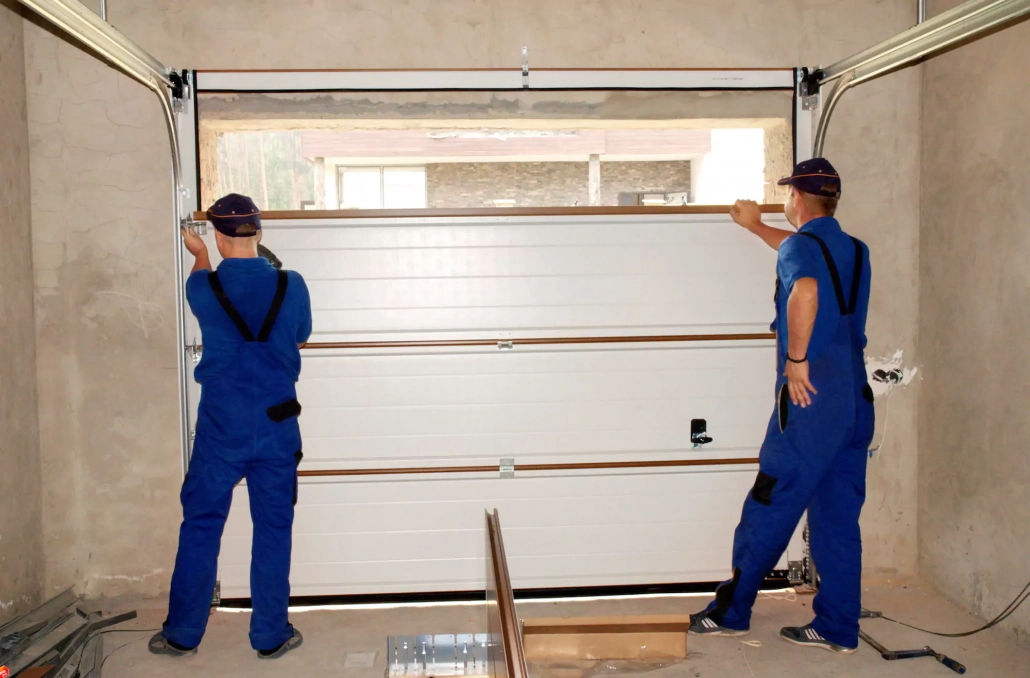
Insulating your garage door is a straightforward process:
- Measure the dimensions of your garage door panels.
- Cut the insulation material to fit each panel.
- Secure the insulation to the panels using adhesive or fasteners.
The Role of Weatherstripping
Weatherstripping is an essential part of air sealing. It involves applying a barrier around the edges of the garage door to block drafts. This step enhances the effectiveness of both insulation and air sealing efforts.
Benefits of Insulating and Air Sealing
Garage door insulation and air sealing offer numerous benefits:
- Improved energy efficiency
- Enhanced comfort
- Reduced noise levels
- Increased home value
For more detailed benefits, you can read this external guide.
Common Mistakes to Avoid
When insulating and air sealing your garage door, avoid these common mistakes:
Ignoring Small Cracks
Even tiny cracks can lead to significant energy loss. Ensure all gaps are sealed properly.
Choosing the Wrong Material
Select the insulation material that best suits your climate and garage usage.
Tools Needed for Insulation and Air Sealing
- Measuring tape
- Utility knife
- Adhesive
- Weatherstripping kits
- Safety goggles
How Insulation Contributes to Mold Prevention
Proper insulation helps prevent moisture buildup, which in turn reduces the risk of mold growth. You can learn more about this in our mold prevention guide.
Garage Door Insulation for Car Protection
Insulating your garage door not only protects the interior environment but also safeguards your car from extreme temperatures. Check our car protection guide for more insights.
How Often Should You Insulate?
Regular maintenance checks are important, but typically, garage door insulation should be reviewed every few years to ensure it remains effective.
Conclusion
Incorporating garage door insulation and air sealing into your home improvement plan is a wise investment. The benefits of energy efficiency, comfort, and property value make it a worthwhile endeavor for any homeowner.
FAQs
What is the best material for garage door insulation?
The best material depends on your specific needs, but foam board and reflective insulation are popular choices for their effectiveness.
How does air sealing work?
Air sealing prevents drafts by closing off any gaps around the garage door, enhancing energy efficiency.
Is professional installation necessary?
While professional installation is recommended for optimal results, many homeowners successfully complete the process themselves with the right tools and guidance.
This article contains affiliate links. We may earn a commission at no extra cost to you.