Garage door insulation and airtightness are crucial aspects of home improvement that every homeowner should consider. A well-insulated and airtight garage door can significantly enhance your home’s energy efficiency, comfort, and even safety. In this article, we will explore why garage door insulation and airtightness matter and how you can achieve them.

Understanding the Importance of Garage Door Insulation
Many homeowners overlook the importance of insulating their garage doors. However, doing so can have a profound impact on your home’s overall energy efficiency. Garage door insulation helps in maintaining the desired temperature inside the garage, reducing the need for excessive heating or cooling.
Benefits of an Airtight Garage Door
In addition to insulation, ensuring that your garage door is airtight is equally important. An airtight garage door prevents drafts, keeping the cold air out during winter and hot air out during summer. This not only enhances comfort but also reduces energy costs.
Energy Savings
By improving the airtightness of your garage door, you can save significantly on energy bills. Insulfoam highlights the energy savings potential of a well-insulated garage door.
Improved Comfort
An insulated and airtight garage door ensures that your garage remains at a comfortable temperature, making it a more usable space year-round. Whether you use your garage for storage, as a workshop, or as an additional living area, maintaining a stable temperature is beneficial.
How to Insulate Your Garage Door
Insulating your garage door is a straightforward process. You can choose from various insulation materials like foam boards, reflective insulation, or fiberglass batts. Each has its advantages, and the choice depends on your specific needs and budget.
Choosing the Right Insulation Material
When selecting the insulation material, consider factors like R-value, cost, and ease of installation. Foam boards offer high R-values and are relatively easy to install, making them a popular choice for many homeowners.
Installation Tips
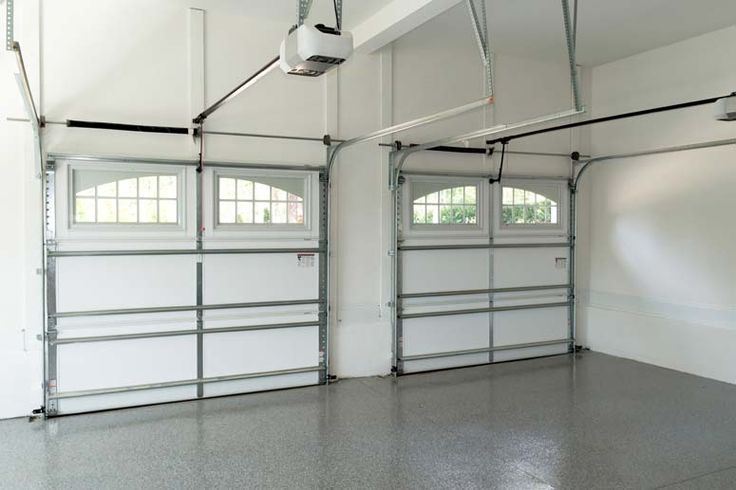
Proper installation is key to achieving maximum insulation and airtightness. Ensure that all gaps and seams are sealed to prevent air leaks. You can also consult professional services for a more precise installation.
Enhancing Airtightness of Your Garage Door
In addition to insulation, there are several ways to improve the airtightness of your garage door. Weatherstripping, sealing gaps, and maintaining the door’s alignment are some of the methods to ensure no air gets in or out.
Weatherstripping
Installing weatherstripping around the edges of the garage door can significantly enhance its airtightness. This simple step can prevent drafts and keep your garage insulated.
Sealing Gaps
Inspect your garage door for any gaps or cracks. Use caulk or sealant to close these gaps and prevent air leakage. Regular maintenance checks can help identify and fix these issues promptly.
Common Mistakes to Avoid
While insulating and sealing your garage door, avoid common mistakes like using the wrong materials or neglecting regular maintenance. Proper care and attention to detail can ensure long-lasting results.
Using Incorrect Materials
Using inappropriate materials for insulation can lead to suboptimal results. Always choose materials suited for your specific garage door type and climate conditions.
Neglecting Maintenance
Regular maintenance is essential to keep your garage door in top condition. Check for wear and tear, and fix any issues promptly to maintain insulation and airtightness.
Environmental Benefits
Beyond energy savings and comfort, insulating and sealing your garage door has environmental benefits. By reducing energy consumption, you contribute to a more sustainable future.
Reduced Carbon Footprint
Lower energy use means reduced carbon emissions, contributing to a healthier environment. As more homeowners adopt these practices, the collective impact can be significant.
Sustainable Living
Insulating your garage door is a step towards sustainable living. It aligns with global efforts to reduce energy consumption and promote eco-friendly practices.
Conclusion
In conclusion, investing in garage door insulation and airtightness is a wise decision for any homeowner. It not only enhances comfort and energy efficiency but also contributes to environmental sustainability. For more insights on insulating your garage door, visit Garage Door Insulation Before Winter and Insulated Garage Doors and Mold Prevention.
FAQs
- What is the best material for garage door insulation? Various materials are available, including foam boards and fiberglass batts. The best choice depends on your specific needs, budget, and climate.
- How often should I check the airtightness of my garage door? It’s recommended to check at least twice a year, especially before the onset of extreme weather conditions.
- Can I install garage door insulation myself? Yes, many insulation materials are DIY-friendly. However, for best results, you may consider hiring a professional.
This article contains affiliate links. We may earn a commission at no extra cost to you.