When it comes to enhancing your home’s comfort and energy efficiency, understanding garage door insulation and building codes is essential. Many homeowners overlook the importance of a properly insulated garage door, not realizing the significant impact it can have on their home’s overall energy performance.
In this article, we will explore various aspects of garage door insulation, including its benefits, types, and compliance with building codes. By the end of this piece, you’ll have a comprehensive understanding of why it’s crucial to pay attention to these factors.

Why is Garage Door Insulation Important?
Insulating your garage door is not just about keeping your garage warm in the winter and cool in the summer. It also plays a pivotal role in reducing energy costs, enhancing comfort, and even protecting your belongings stored in the garage. A well-insulated garage door can act as a barrier against extreme temperatures, making your home more energy-efficient.
Energy Efficiency and Cost Savings
One of the primary reasons to invest in garage door insulation is the potential for energy savings. An insulated garage door minimizes the transfer of heat or cold air between your home and the garage, reducing the workload on your HVAC system. This can lead to significant savings on your energy bills.
For instance, if you have a garage attached to your home, a poorly insulated door can be a major source of heat loss in the winter and heat gain in the summer. By insulating your garage door, you create a buffer that helps maintain a stable indoor temperature.
Protection Against the Elements
Insulated garage doors also provide protection against the elements. They help to prevent moisture buildup, which can lead to mold growth and damage to items stored in the garage. Additionally, insulation can reduce noise pollution, making your garage a quieter and more pleasant space.
Types of Garage Door Insulation
There are several types of insulation materials available for garage doors, each with its own advantages and disadvantages. It’s important to choose the right type of insulation based on your specific needs and budget.
Foam Board Insulation
Foam board insulation is a popular choice for garage doors. It consists of rigid panels made of polystyrene or polyurethane. Foam board provides excellent insulation properties and is relatively easy to install. However, it can be more expensive than other options.
Reflective Insulation
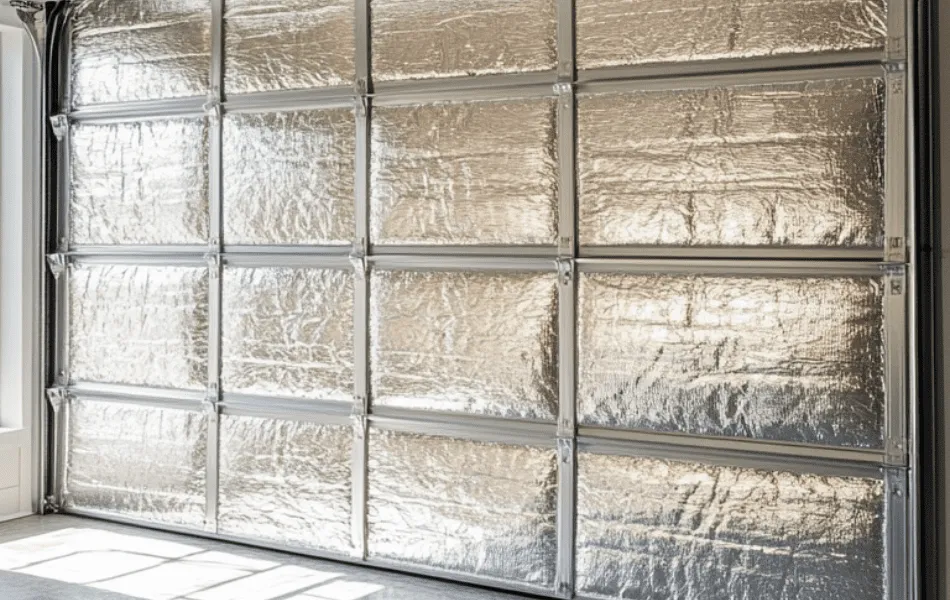
Reflective insulation is another option, particularly effective in climates with extreme temperatures. It involves a reflective surface, usually aluminum foil, that reflects heat away from the garage. This type of insulation is lightweight and easy to install, but it may not provide as much thermal resistance as foam board.
Batt Insulation
Batt insulation, made from fiberglass or mineral wool, is commonly used in garages. It is available in rolls or pre-cut panels, making it easy to fit between door panels. While batt insulation is cost-effective, it may require a vapor barrier in damp climates to prevent moisture problems.
Understanding Building Codes for Garage Doors
When it comes to garage door insulation, compliance with building codes is crucial. Building codes are sets of regulations that ensure the safety, health, and efficiency of buildings. They vary by location, so it’s important to check the specific codes in your area.
Energy Codes
Many regions have energy codes that dictate the minimum insulation requirements for garage doors. These codes are designed to improve energy efficiency and reduce environmental impact. Failure to comply with energy codes can result in fines or penalties.
Fire Codes
Fire safety is another aspect of building codes that may affect garage door insulation. In some areas, fire-rated garage doors are required to prevent the spread of fire between the garage and the rest of the home. It’s essential to ensure that your garage door insulation does not compromise fire safety.
Choosing the Right Insulation for Your Garage Door
When selecting insulation for your garage door, consider factors such as climate, budget, and the specific requirements of your local building codes. It’s also essential to choose materials that are durable, moisture-resistant, and easy to install.
For more information on the best insulation materials for different needs, visit our garage door insulation materials page.
DIY vs. Professional Installation
While DIY installation of garage door insulation is possible, hiring a professional can ensure that the job is done correctly and in compliance with building codes. Professionals have the expertise to select the right materials and ensure proper installation, saving you time and potential headaches.
Maintaining Your Insulated Garage Door
Once your garage door is insulated, regular maintenance is essential to ensure its continued performance. Check for signs of wear and tear, such as damaged insulation or gaps in the door panels. Address any issues promptly to maintain energy efficiency and safety.
For tips on maintaining your garage door, refer to our garage door insulation for car protection guide.
FAQ Section
1. What are the benefits of insulating my garage door?
Insulating your garage door improves energy efficiency, reduces energy costs, protects against the elements, and enhances overall comfort.
2. How do I know if my garage door insulation meets building codes?
Check with your local building authority to understand the specific insulation requirements and ensure compliance with energy and fire codes.
3. Can I install garage door insulation myself?
While DIY installation is possible, hiring a professional ensures that the job is done correctly and in compliance with building codes.
For more insights on whether insulated garage doors are worth the investment, check out this external resource: Is it Worth Insulating Your Garage Door?
This article contains affiliate links. We may earn a commission at no extra cost to you.