For many homeowners, the garage is more than just a place to park cars; it’s an extension of their home. As such, ensuring it remains comfortable and energy-efficient is paramount. This is where garage door insulation and managing condensation play crucial roles. Whether you’re using your garage as a workshop, storage space, or even an extra room, understanding these elements can significantly enhance its functionality and value.
To start with, let’s explore why garage door insulation is essential and how it can help mitigate condensation issues.
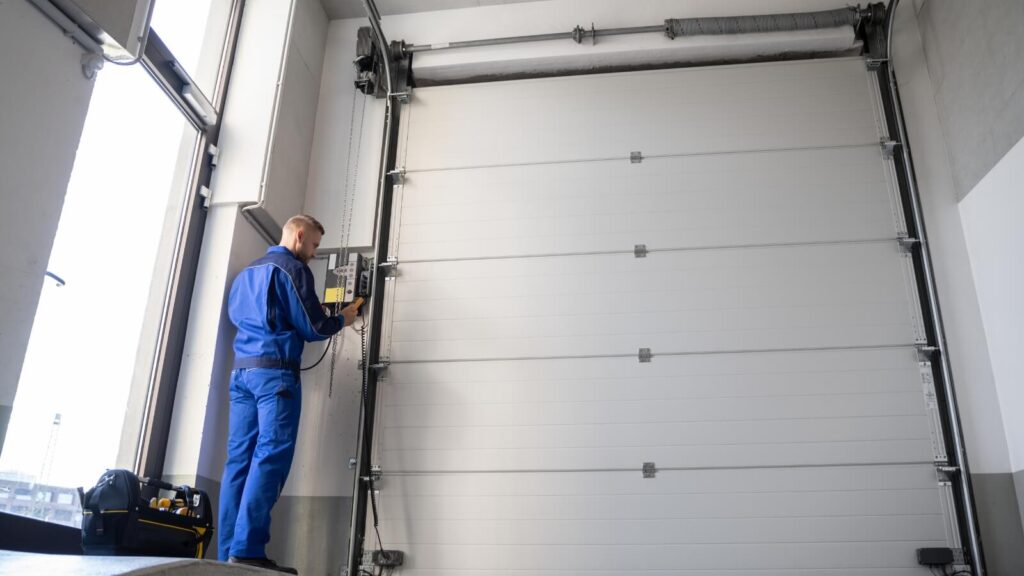
Understanding Garage Door Insulation
Insulation is a method of trapping heat or cold air, depending on the season, within your garage. Properly insulated garage doors provide a buffer that can significantly reduce energy costs. This is especially important in extreme weather conditions, where temperature fluctuations can influence the entire homes energy efficiency.
The Importance of Insulation
Insulation not only creates a more comfortable environment but also protects the items stored in your garage. Without proper insulation, temperatures in the garage can soar in summer and plummet in winter, potentially leading to damage of heat-sensitive items.
Moreover, insulating your garage door before winter can prevent heat loss, making it easier to maintain a warm and cozy home environment.
Types of Insulation Materials
There are several materials to choose from when insulating your garage door:
Polystyrene Foam
This is a cost-effective material that provides decent thermal resistance. It’s easy to install and offers a good balance between cost and efficiency.
Polyurethane Foam
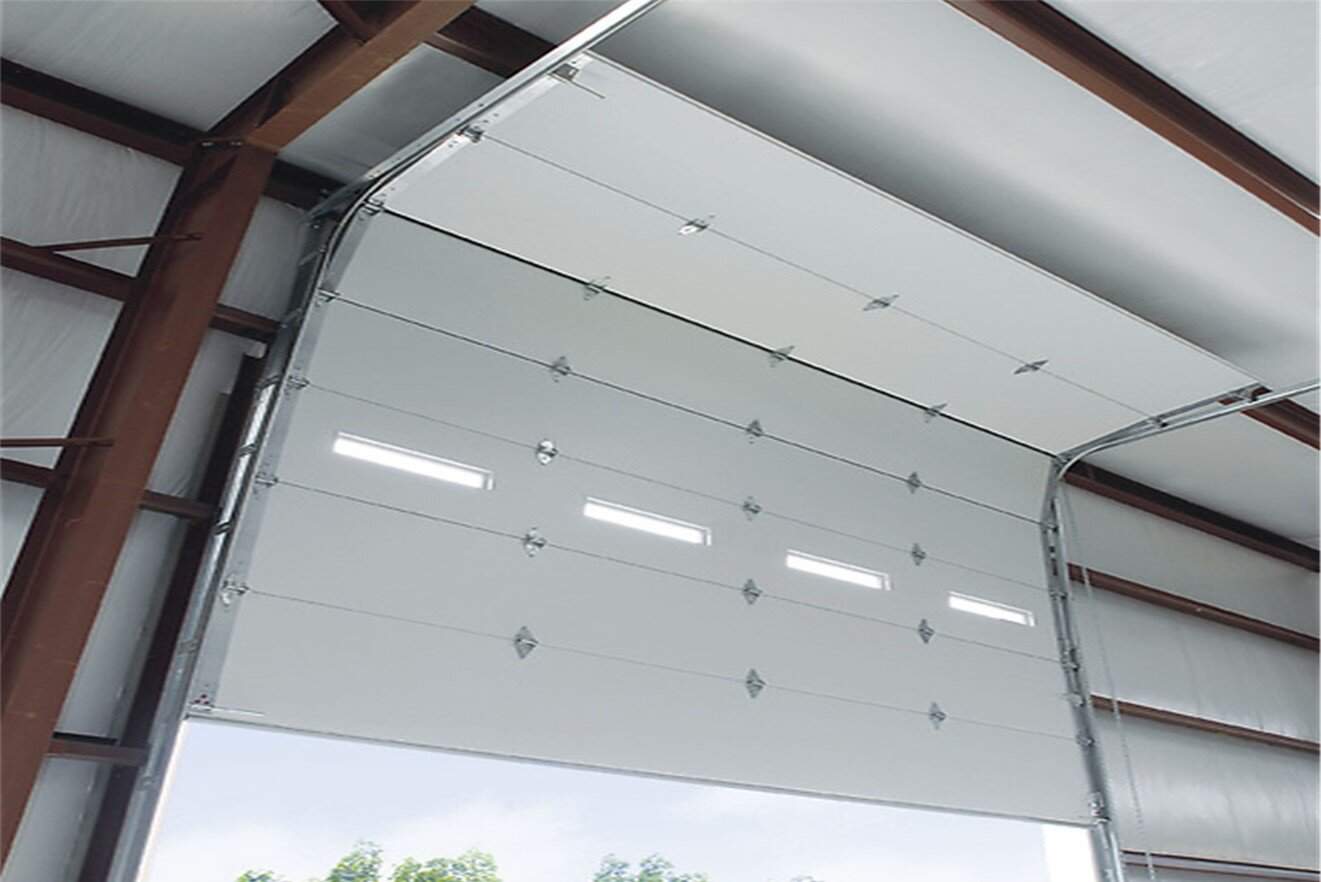
Offering better insulation capabilities than polystyrene, polyurethane foam fits well into the crevices of your garage door panels, providing superior insulation.
Reflective Foil
Best for climates with intense heat, reflective foil insulation works by reflecting radiant heat away from your garage door.
Condensation: Causes and Solutions
Condensation occurs when warm, moist air comes into contact with a cold surface, causing moisture to form. In garages, this often happens on uninsulated surfaces and can lead to mold and mildew, potentially damaging your belongings.
Preventing Condensation
The key to preventing condensation is maintaining proper insulation and ventilation:
Improve Ventilation
Installing vents or using a dehumidifier can help manage moisture levels in your garage. This is crucial in areas with high humidity.
Use a Vapor Barrier
Installing a vapor barrier can prevent moisture from seeping through the walls and ceiling.
Benefits of Insulating Your Garage
Insulating your garage door not only reduces condensation but also offers a range of benefits:
Energy Efficiency
By maintaining a stable temperature, you can reduce the strain on your homes heating and cooling systems, lowering your energy bills.
Improved Comfort
An insulated garage is more comfortable, making it suitable for various uses beyond just storage.
Noise Reduction
Insulation also helps reduce noise, an essential factor if your garage is attached to your home.
Choosing the Right Insulation
When selecting insulation for your garage door, consider the climate, budget, and the specific needs of your garage. For instance, luxury homes may require more advanced solutions.
Installation Process
Installing garage door insulation can be a DIY project or done by professionals. It involves measuring the door, cutting the insulation to fit, and securing it in place.
Maintenance Tips
Regularly check your insulation for signs of wear and tear. Replace any damaged sections to maintain efficiency. Additionally, ensure that your garage is well-ventilated to prevent condensation.
Conclusion
Addressing garage door insulation and condensation is vital for maintaining a functional and comfortable garage space. By choosing the right insulation and ensuring proper ventilation, homeowners can protect their investments and improve the overall quality of their homes.
For more information about insulating your garage, visit OGD.
FAQs
Why is garage door insulation important?
Insulation helps regulate the temperature in your garage, reduces energy bills, and prevents condensation.
Can I install insulation myself?
Yes, with the right tools and materials, garage door insulation can be a DIY project.
How often should I check my garage door insulation?
Regularly inspect your insulation every few months for any signs of damage or wear.
This article contains affiliate links. We may earn a commission at no extra cost to you.