As homeowners, we are continually looking for ways to reduce our electric bills and make our homes more energy-efficient. One often overlooked area that can have a significant impact is the garage door. By focusing on garage door insulation, you not only enhance the comfort of your garage but also contribute to lowering your electric bills. In this article, we will explore the benefits of insulating your garage door and how it can positively impact your energy consumption.
Understanding Garage Door Insulation
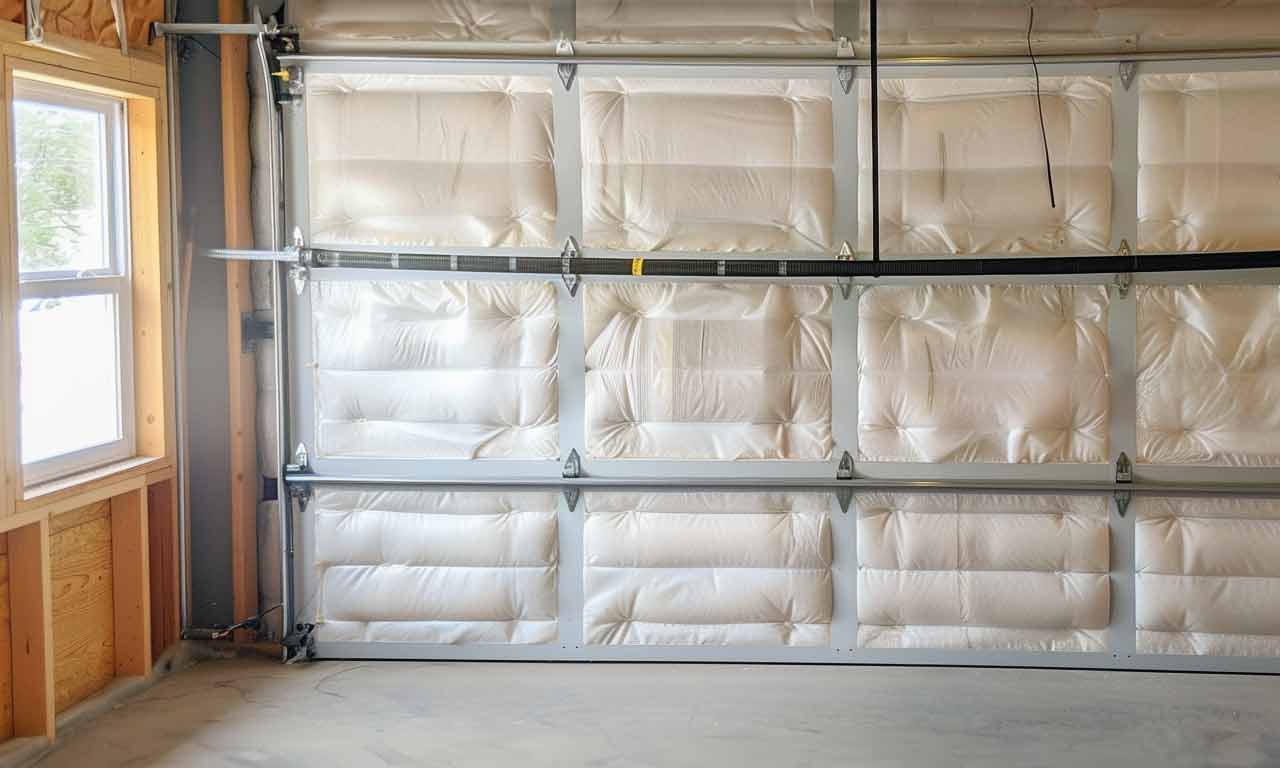
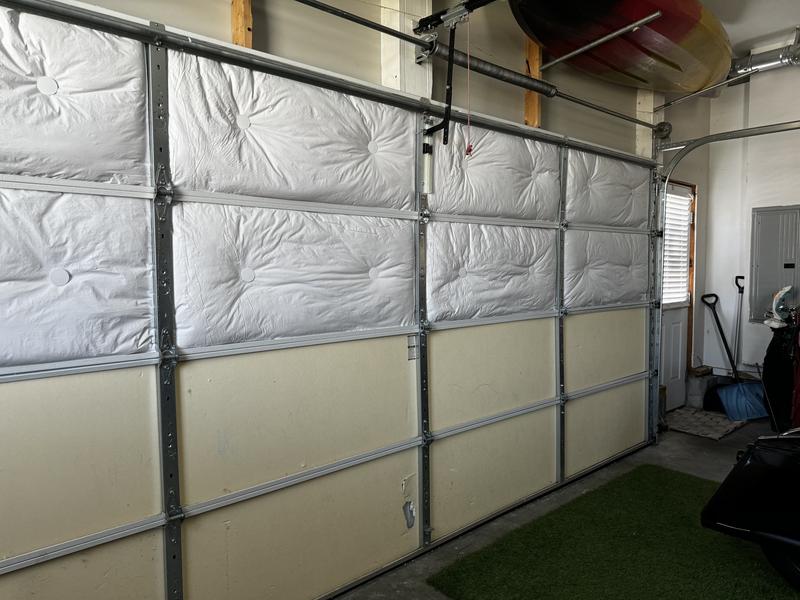
Before diving into the benefits, it is important to understand what garage door insulation entails. Insulating a garage door involves adding a barrier that reduces heat loss or gain, effectively regulating the temperature inside the garage. This can be achieved through different materials such as foam boards, reflective barriers, or fiberglass.
Types of Insulation Materials
There are various types of insulation materials available for garage doors, each having its own advantages:
- Foam Boards: These rigid panels provide excellent thermal resistance and are easy to install.
- Reflective Barriers: These work by reflecting heat away from the surface, keeping the garage cooler during hot months.
- Fiberglass Insulation: This traditional insulation material is effective in reducing heat transfer.
The Impact on Electric Bills
One of the main reasons homeowners consider garage door insulation is its potential to lower electric bills. A poorly insulated garage can act as a thermal sink, allowing heat to escape in the winter and enter during the summer. This forces your heating and cooling systems to work harder, thereby increasing energy consumption and costs.
Energy Savings
By insulating your garage door, you create a buffer that minimizes the exchange of heat between the inside and outside of the garage. This reduces the load on your HVAC systems, leading to noticeable energy savings. Over time, these savings can offset the initial cost of insulation.
Improved Comfort
In addition to reducing electric bills, garage door insulation enhances the overall comfort of your home. An insulated garage maintains a more consistent temperature, making it a more pleasant space for various activities such as working, exercising, or even just parking your car.
Choosing the Right Insulation
When it comes to garage door insulation, not all solutions are created equal. It is important to select the right insulation material for your specific needs. Consider factors such as the climate in your area, the type of garage door you have, and your budget.
For a detailed guide, you can check our Garage Door Insulation Checklist for a step-by-step process. Additionally, if you have a passive home, explore our insights on Garage Door Insulation for Passive Homes.
Installation Process
Installing garage door insulation can be a DIY project or done by professionals. If you choose to do it yourself, ensure you have all the necessary tools and materials. Follow instructions carefully to achieve the best results. For those who prefer professional installation, hiring an expert ensures quality results and saves time.
DIY Tips
Here are some tips if you decide to embark on a DIY insulation project:
- Measure your garage door panels to determine the amount of insulation material needed.
- Choose insulation that suits your climate and garage door type.
- Follow safety precautions and use protective gear during installation.
Benefits of Professional Installation
Opting for professional installation has its advantages. Experts have the experience and tools to ensure the insulation is installed correctly and efficiently. This can result in better thermal performance and longer-lasting insulation.
Additional Considerations
Aside from energy savings, garage door insulation offers other benefits:
Noise Reduction
An insulated garage door can reduce noise from outside, creating a quieter environment inside your home. This is particularly beneficial if your garage is attached to your house or if you use it as a workspace.
Durability and Protection
Insulation can also add a layer of protection to your garage door, increasing its durability. It can prevent warping and damage caused by fluctuating temperatures, extending the lifespan of your door.
For more insights on the benefits of insulated garage doors, visit this external resource.
Conclusion
In conclusion, garage door insulation is a wise investment for homeowners looking to reduce electric bills and improve their home’s energy efficiency. Not only does it provide cost savings, but it also enhances comfort, reduces noise, and adds durability to your garage door. By taking the time to choose the right insulation and installation method, you can enjoy the numerous benefits that come with an insulated garage.
FAQs
How much can I save on electric bills with garage door insulation?
The amount you save depends on various factors such as the climate, the current insulation level of your home, and your energy usage. On average, homeowners can expect to see a reduction in energy costs by 10-20% after insulating their garage door.
Can I install garage door insulation myself?
Yes, many homeowners choose to install insulation themselves. It’s important to follow instructions carefully and ensure you have the right tools and materials. For those who prefer professional installation, hiring an expert can ensure proper and efficient installation.
What is the best type of insulation for garage doors?
The best type of insulation depends on your specific needs, including your climate and budget. Foam boards, reflective barriers, and fiberglass are all popular choices. Each has its own benefits, so it’s important to research and choose the one that best suits your requirements.
This article contains affiliate links. We may earn a commission at no extra cost to you.