As a homeowner, you might often ponder on the various ways to enhance your homes energy efficiency. One important aspect that is frequently overlooked is garage door insulation and its impact on HVAC efficiency. Recognizing the significance of this can lead to substantial energy savings and a more comfortable living environment.
This article will delve into how insulating your garage door can improve your HVAC efficiency. Well explore the benefits, methods, and materials involved in garage door insulation, providing you with a comprehensive understanding of why its a worthwhile investment.
The Importance of Garage Door Insulation
Many homeowners overlook their garage when it comes to insulation. However, a poorly insulated garage can have a significant impact on the temperature regulation in the rest of your home. This is particularly true if your garage is attached to your home.
Insulating your garage door can prevent the loss of heated or cooled air, ultimately making your home more energy-efficient. This is where the connection between garage door insulation and HVAC efficiency becomes apparent.
How Insulation Affects HVAC Systems
Your homes HVAC system works tirelessly to maintain a comfortable temperature throughout the year. However, if your garage door is not properly insulated, this can lead to significant energy losses, forcing your HVAC system to work harder, which in turn increases energy consumption and utility bills.
By ensuring that your garage door is insulated, you can help your HVAC system operate more efficiently. This not only reduces energy costs but also extends the lifespan of your HVAC equipment.
Benefits of Insulating Your Garage Door
- Energy Savings: Insulated garage doors reduce the amount of energy needed to maintain your homes temperature. This is particularly beneficial in extreme weather conditions.
- Improved Comfort: An insulated garage door helps maintain a stable temperature, making your garage more comfortable to use throughout the year.
- Noise Reduction: Insulation can significantly reduce noise from outside, providing a quieter indoor environment.
- Enhanced Durability: Insulated doors are generally more robust, offering better protection against physical damage.
Types of Insulation Materials
When it comes to insulating your garage door, there are several materials to choose from. Each has its own advantages, and the choice often depends on your specific needs and budget.
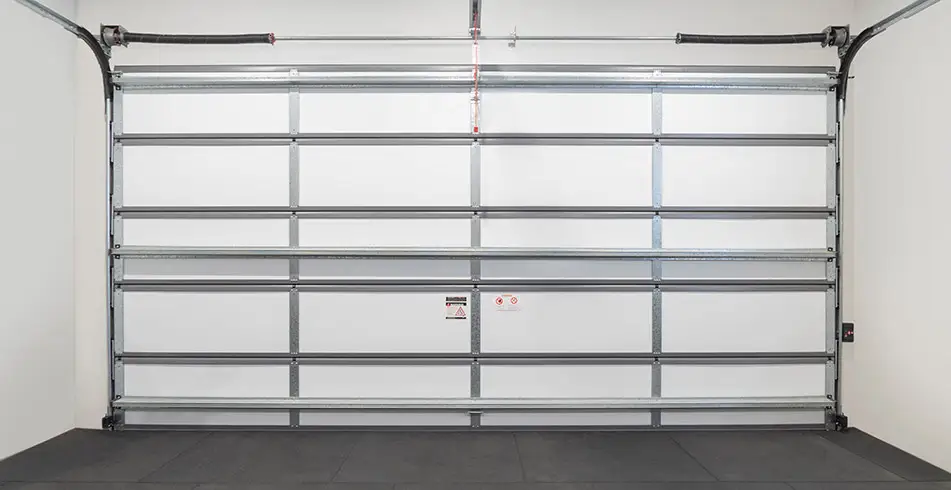
- Polystyrene: Known for its affordability and ease of installation, polystyrene is a popular choice for garage door insulation. It offers decent insulation and is often used in both residential and commercial settings.
- Polyurethane: This is a more expensive option but offers superior insulation properties. Polyurethane is injected into the door, providing a higher R-value and better energy efficiency.
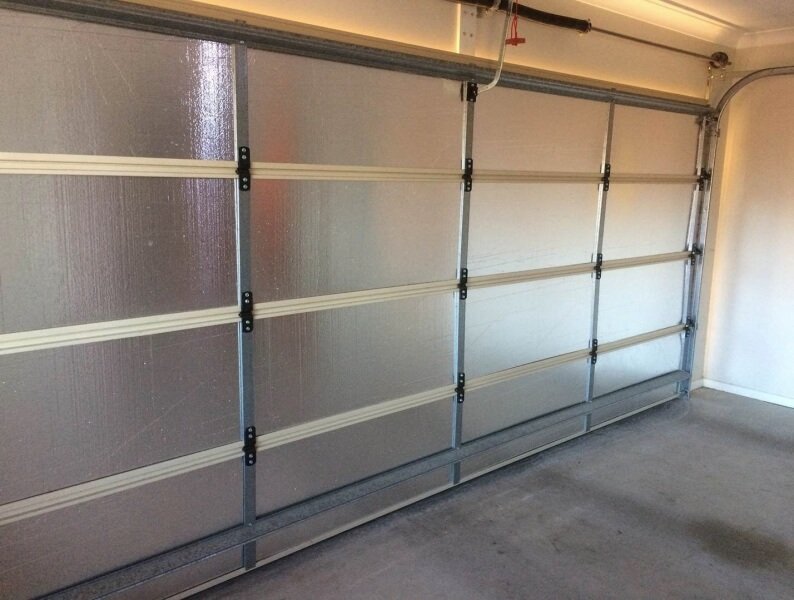
- Reflective Insulation: Ideal for garages that experience extreme temperatures, reflective insulation helps to keep the heat out during summer and retain it during winter.
Installation Methods
Garage door insulation can be installed in various ways. Whether you choose to do it yourself or hire a professional, understanding the different methods can help you make an informed decision.
- DIY Kits: Available at most home improvement stores, these kits contain all the necessary materials to insulate your garage door. They are a cost-effective option for homeowners who are comfortable with DIY projects.
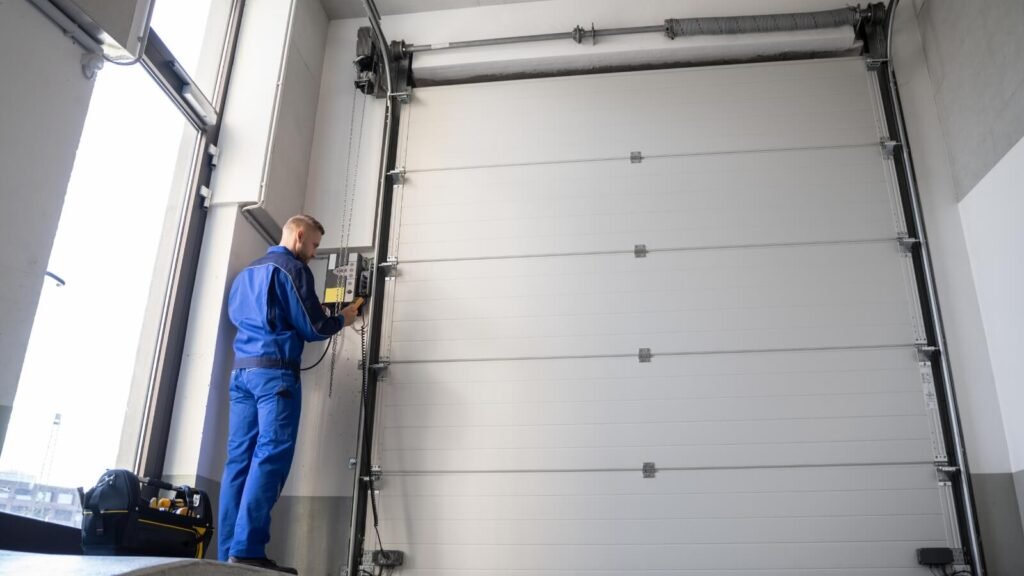
- Professional Installation: If you prefer a hassle-free approach, hiring a professional ensures that your insulation is installed correctly and efficiently.
Impact on Home Value
Beyond improving HVAC efficiency, an insulated garage door can also enhance your homes value. Potential buyers are often attracted to energy-efficient features, and an insulated garage door can be a significant selling point.
It is worth noting that while the initial investment might be higher, the long-term savings on energy bills and the added home value make it a wise choice for many homeowners. To learn more about how insulated garage doors boost home value, visit this link.
Choosing the Right Insulation for Your Garage Door
Choosing the right insulation for your garage door is crucial for maximizing energy efficiency. Consider factors such as your local climate, garage usage, and budget when selecting insulation materials.
For more detailed guidance, check out this external resource on insulated garage doors.
Maintenance Tips for Insulated Garage Doors
Maintaining your insulated garage door is essential to ensure its longevity and continued performance. Regular cleaning and inspection can help identify potential issues early on.
For tips on cleaning and maintenance, you can refer to this guide on cleaning insulated garage doors.
Conclusion
In conclusion, investing in garage door insulation is a smart decision for homeowners looking to improve HVAC efficiency and reduce energy costs. With various materials and installation options available, you can find a solution that fits your needs and budget.
Remember, the benefits of an insulated garage door extend beyond energy savings, offering improved comfort, noise reduction, and increased home value.
FAQs
1. How does garage door insulation affect HVAC efficiency?
Insulating your garage door helps to prevent energy loss, allowing your HVAC system to operate more efficiently by reducing the need to compensate for temperature fluctuations.
2. What are the best materials for garage door insulation?
Common materials include polystyrene, polyurethane, and reflective insulation. The best choice depends on your climate, budget, and specific insulation needs.
3. Can I install garage door insulation myself?
Yes, there are DIY kits available that provide all the materials needed for insulation. However, professional installation is recommended for optimal results.
This article contains affiliate links. We may earn a commission at no extra cost to you.